



Where Higher Ed Policy Becomes Real (opinion)

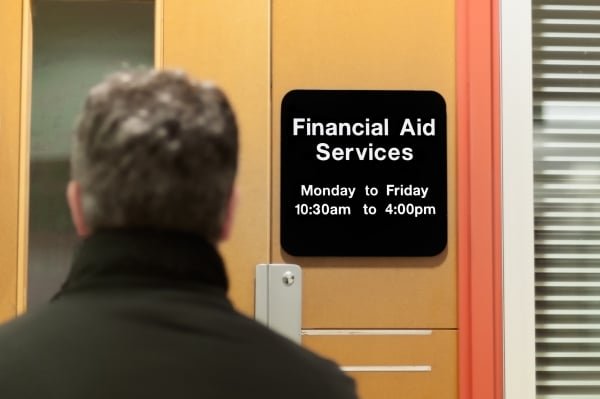
I remember when I picked up the phone and asked one of my students to come into the office so we could talk in person. I did not want to deliver in an email the news that Texas House Bill 1403, better known as the Texas Dream Act, had been overturned. She told me she would be by soon and did not think anything about my request. She and I had a good relationship, and I often checked in on her.
She and her family are from South America. They left South America and migrated to San Antonio for a better life. After moving to Texas, she graduated from high school and enrolled at a community college to get her associate degree. The plan was to transfer to a state university to get her bachelor’s degree.
When she got to my office, she looked at me and knew something was wrong. I explained to her the changes in law and how she no longer qualified for in-state tuition and her state grant that was paying for her educational expenses. I explained to her that the tuition rate she and her had family carefully planned around and the state grant that she relied on to pay for tuition and books were no longer available to her.
She sat down across from me, looked at me and said quietly, “Ms. Allie, I’m supposed to graduate with my associate degree this upcoming fall semester. I’m so close to graduation. I don’t know how I am going to afford school without my Texas grant.”
We talked some more. She thanked me for letting her know in person and left my office.
These are moments in financial aid that stay with you. And these moments were the ones that broke me and had me in tears.
For nearly 24 years, the Texas Dream Act allowed eligible Texas high school graduates, regardless of immigration status, to pay in-state tuition and receive state financial aid through the Texas Application for State Financial Aid. In a single day in June 2025, that pathway disappeared for my student and thousands of other undocumented students like her.
Over the next several weeks, I delivered the same news repeatedly. Some students cried. Others sat in stunned silence. A few argued, hoping there had been some mistake.
When it comes to policy changes regarding financial aid, students do not go to state legislators or lawyers first. They go to their financial aid administrators and expect a positive resolution.
There was one student who refused to accept the news. I remember her trying to shove her TASFA application into my hands. I told her, unfortunately, I was not able to accept it. She kept trying anyway. After 10 minutes of me telling her no, she burst into tears in my office.
That moment devastated me. Like every financial aid administrator, I have had to tell students they lost scholarships, exhausted their eligibility for aid or no longer qualified for grants because their financial circumstances changed. In my years working in financial aid, I thought I had learned how to deliver difficult news. Giving bad news comes with the job. But this was different.
I was not telling them that they lost their financial aid due to poor grades or other personal factors. I was telling them about a policy change that occurred overnight—reversing a policy that undocumented students and their families relied on and built their educational plans around for more than two decades.
Financial aid administrators are trained to solve problems. We are trained to search for scholarships, identify emergency funding, find loopholes in policies, explain various repayment options for loans and help students navigate complex regulations and institutional policies. We are expected to be miracle workers and have all the answers. My years of being in financial aid did not prepare me for this. I had no answer. I still do not.
On July 9, the U.S. Court of Appeals for the Fifth Circuit denied an appeal to reinstate the Texas Dream Act; earlier this month, the court denied a request to rehear the case. This will continue to affect thousands of undocumented students across Texas. For many of these students, attending college without access to in-state tuition and state financial aid is not financially feasible.
I do not know what is going to happen. Policy debates often end when a court issues its decision. For financial aid administrators, that is when the hardest work begins. We are the ones who sit across from students, explain what changed and absorb the tears, frustration and uncertainty that follow. I cannot package hope and false promises in financial aid award letters. All I can do is help students move forward and be as kind and empathetic as possible. These conversations rarely make headlines, but they are where higher education policy becomes human and real.
You may be interested

Developer Indicted for Defrauding Allen University
new admin - Sep 28, 2026[ad_1] The developer has denied the allegations and will appear in federal court this week. Inside Higher Ed | Vladimir…
Anonymous Donor Gives University of Richmond $150M
new admin - Sep 28, 2026[ad_1] An anonymous donor gifted $150 million to the University of Richmond last week, which the university says marks the…

Honor’s Magic 9 Pro Max has a big camera and a bigger battery
new admin - Sep 28, 2026Honor launches its new Magic 9 flagship phones in China today, and the 9 Pro Max features a design revamp,…