




Expert shares the temperature to set your heating on to help avoid mould

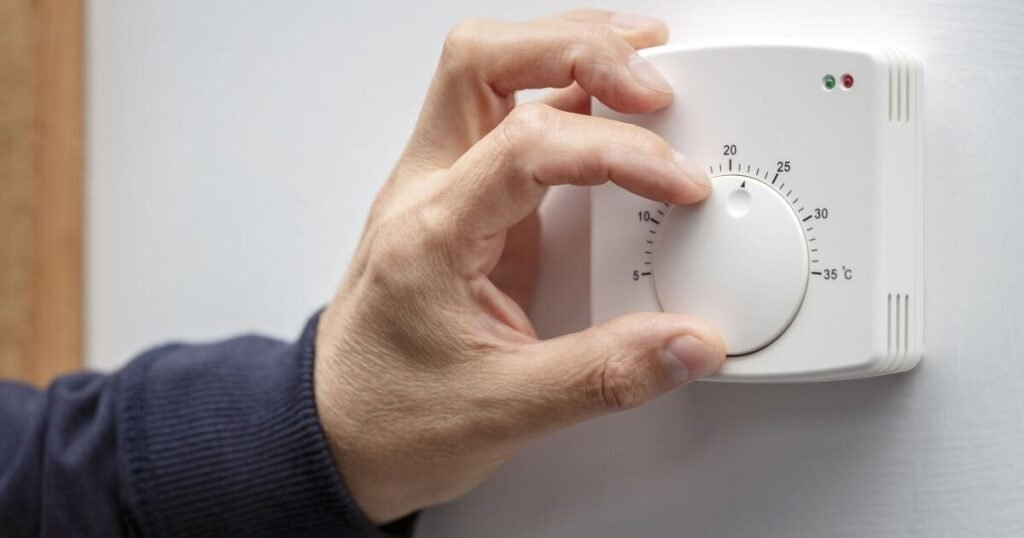
With winter just around the corner, many households are preparing to switch their heating back on. But finding the right balance between keeping warm and preventing damp can be tricky. According to experts, maintaining the correct indoor temperature is key to stopping condensation and mould from developing, and protecting both your home and your health.
Mould is more than just an unsightly nuisance. If left untreated, it can spread quickly and cause serious health problems, including respiratory issues, allergies, and asthma. Fortunately, energy and property specialists say that setting your heating to the right level can make a big difference in preventing it.
Ben Gallizzi, energy expert at Uswitch.com, explained: “Keeping your home warm can help prevent mould from building up during the coldest months of the year.
“Experts recommend that people in good health should heat their home to between 18 and 21 degrees Celsius.”
He warned that homeowners should avoid letting their indoor temperature drop too low, as that can create the perfect conditions for condensation to form.
“You should try not to let the temperature fall below 15 to 16 degrees, as that’s when moisture in the air begins to settle on cold surfaces,” Gallizzi said.
Mark Batchelor, director of property services at housing association Hyde, added that understanding how condensation forms is essential.
“Condensation will form on the coldest surfaces in your home, usually around windows, corners of rooms, and external walls. The warmer the air temperature in your home, the more moisture it can hold,” he explained.
To help keep condensation under control, experts recommend opening windows regularly to allow airflow and closing bathroom and kitchen doors while cooking or showering to prevent steam from spreading.
Other useful tips include drying clothes outdoors or in a ventilated room, keeping saucepan lids on while cooking, and running extractor fans to reduce humidity.
Hyde also suggests improving air movement by pulling furniture away from walls, leaving gaps behind curtains, and not sealing windows in rooms prone to damp. For persistent problems, dehumidifiers can help absorb excess moisture from the air.
If mould has already appeared, it can be removed using a diluted bleach solution or a mix of white vinegar and water, both of which help kill spores and lift mould from surfaces.
You may be interested

Shop Princess Kate’s ‘timeless’ coat with a chic new-season update
new admin - Oct 01, 2026[ad_1] Shop the chic new-season update of Princess Catherine's much-loved Jigsaw coat, made from pure wool and designed to stay…

Maine System Scrubs Senator’s Name Over Epstein Ties
new admin - Oct 01, 2026[ad_1] Sen. George Mitchell’s name appeared in the Epstein files more than 300 times. Jill Brady/Portland Portland Press Herald via…

Phishing Attempt: Is Your Boss Really Texting You? | Money Moves with Jill Schlesinger
new admin - Oct 01, 2026Nate is back, gang! In today's episode, "CBS Mornings" co-host and former NFL player Nate Burleson joins Jill and Mark…