

Tensions of Being an International Student Adviser (opinion)

Having worked with international college students for many years, I see a dynamic playing out today unlike anything I have ever experienced. Many of these students now move through their days feeling their actions are being monitored—and that feeling shapes how they speak, study, travel and live.
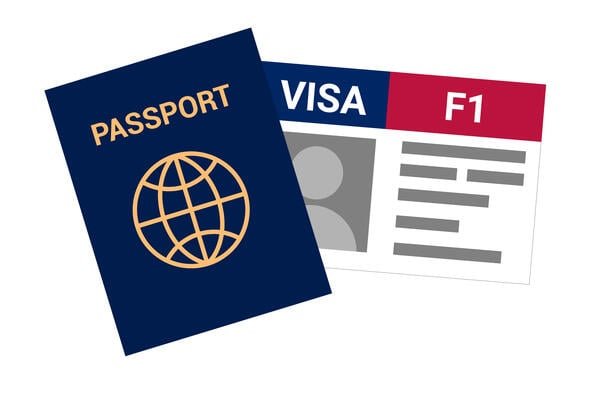
As an international student services administrator, I’ve noted these changes as the modern visa process has expanded beyond financial documentation and academic transcripts. Students are acutely aware that their digital histories may be reviewed, interpreted, archived. What unsettles them most is not merely that their online presence may be examined. It is that the criteria for interpretation are opaque. There is no transparent metric explaining how a joke is categorized, how political commentary is contextualized or how tone is assessed across cultural boundaries.
When students perceive that their social media accounts, associations or public expressions could be scrutinized without clearly defined standards, they begin to internalize their gaze. They edit themselves before anyone else does. They delete posts. They disengage from debate. They withdraw from spaces that once felt intellectually vibrant.
Surveillance need not be constant to be effective. The possibility is sufficient.
This is where my role becomes both protective and paradoxical. As a senior administrator who acts as the university’s primary point of contact for the Department of Homeland Security, I function within a compliance structure that requires documentation, reporting and oversight. I advise students on how to maintain lawful presence. I cannot promise them broad constitutional shelter. Their immigration classification is conditional. Their ability to remain in the country is tethered to regulatory compliance. That reality shapes my counsel.
When a student asks whether they should post a controversial opinion or attend a politically charged event, I do not answer abstractly. I answer through the lens of risk management. I remind them that immigration status introduces vulnerabilities that citizens do not face. I encourage prudence. I urge them to consider how their actions might be perceived within a system that does not always provide transparent explanations or avenues for contesting discretionary decisions.
Some interpret this as fear-based guidance. I understand it as an ethical obligation.
Students begin to discipline themselves in anticipation of consequences. In the context of international education, that dynamic is unmistakable. They overcorrect. Silence becomes strategic. Participation is calibrated. Inquiry is filtered.
What troubles me is the chilling effect that extends beyond digital spaces into classrooms and community life. Hesitation migrates from screens to seminars. Students pause before asking probing questions about policy. They reconsider attending public forums. They calculate whether intellectual curiosity could be misinterpreted.
The result is not only personal restraint. It alters the academic ecosystem. When some members of the community must weigh immigration consequences before speaking, discourse becomes uneven. The classroom no longer functions as a truly level arena of exchange.
And yet, within my office, I cannot afford to romanticize resistance.
My responsibility is not to dismantle the surveillance structure. It is to help students navigate it safely. I speak candidly about the limits of their protections. I explain that while due process exists in certain procedural contexts, immigration law grants significant discretion to decision-makers. I advise students to practice discernment on- and offline. Not because their perspectives lack value, but because their stakes are different.
There is a painful clarity in this work. I witness how policy, even when framed as administrative procedure, shapes identity and behavior.
At the same time, I call upon domestic colleagues and students to recognize the asymmetry. The ability to speak freely without risking one’s lawful presence is a form of privilege. When international students grow quiet, it is not always disengagement. It may be disciplined survival.
I would rather have a student complete their degree and pursue their long-term aspirations than make a symbolic gesture that exposes them to avoidable risk.
In a world where visibility is constant and interpretation uncertain, self-restraint becomes a rational response. My task is not to extinguish my students’ voices. It is to ensure that their dreams outlast the moment.
In the architecture of modern surveillance, care requires candor.
I occupy a role that both supports students and participates in regulatory oversight.
That tension is real.
You may be interested
New disease threats follow Trump administration’s health program cuts
new admin - Jul 01, 2026As beachgoers flock to water during the busy July Fourth weekend, danger could be lurking in some areas.Researchers this spring…

One photograph of Princess Kate changed this British designer’s life | Royal | News
new admin - Jul 01, 2026[ad_1] Princess Kate put this British brand on the map - designer reveals all (Image: Getty) This article contains affiliate…

How One College Is Rethinking Basic Needs Support
new admin - Jul 01, 2026[ad_1] Affordability concerns have left many college students struggling to cover not only tuition but also rising food prices, housing…