




Urgent warning issued to people with these blood types

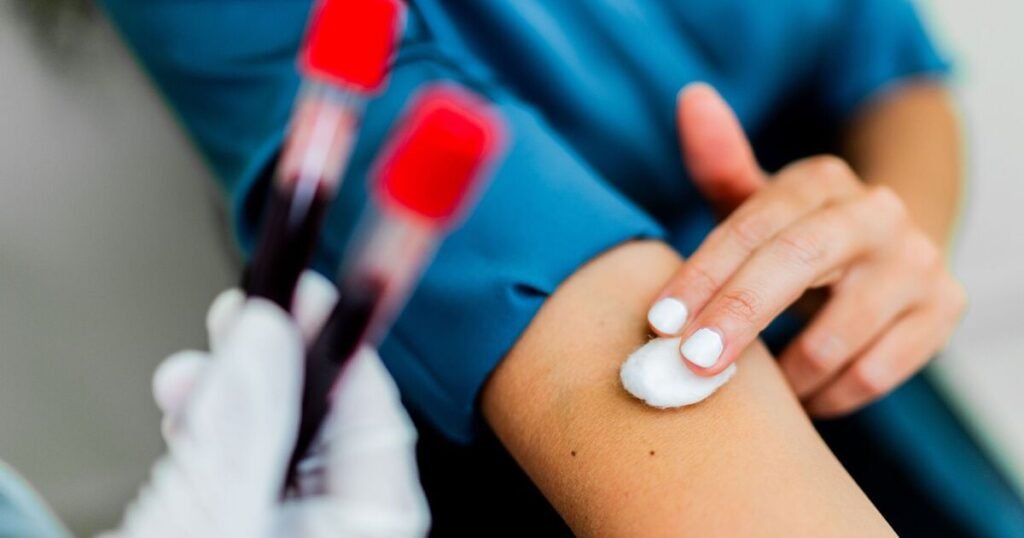
At present, there’s an urgent need for blood donations, with medical professionals appealing to eligible people to come forward.
This pressing need stems from the necessity to maintain adequate supplies of the appropriate blood types to “meet day-to-day patient needs and to cope with emergencies.”
According to Blood.co.uk, “some blood types are in higher demand from hospitals than others. For example, it’s estimated that around 8% of people have O negative blood, but O negative makes up 13% of requests from hospitals.”
The organisation explains that O-negative blood serves as a universal donor type, making it the primary choice for critical emergency situations. Given this exceptional demand, stock levels must be constantly monitored.
“Sometimes we need to target specific blood types to increase stock levels. That’s why we sometimes contact regular donors with the particular blood type we need, and ask them to give blood”, it added.
8 blood types and who you can help
- O positive – your red blood cells can potentially help an O positive, A positive, B positive or AB positive patients
- O negative – your red blood cells can potentially help patients with any blood type
- A positive – your red blood cells can potentially help an A positive or AB positive patients
- A negative – your red blood cells can potentially help an A positive, A negative, AB positive or AB negative patients
- B positive – your red blood cells can potentially help a B positive or AB positive patients
- B negative – your red blood cells can potentially help a B positive, B negative, AB positive or AB negative patients
- AB positive – your red blood cells can potentially help an AB positive patients
- AB negative – your red blood cells can potentially help an AB positive or AB negative
Which blood types are rare?
The experts explain: “A rare blood type is any blood type that is needed by patients and is difficult to find in the population.”
One of these is the Ro subtype. “Only 2% of regular blood donors in England have the Ro subtype.”
Explaining Ro blood, the experts stress: “The Ro subtype is extremely rare and helps people living with sickle cell to enjoy more normal lives. The closer the match between a donor and patient, the better the transfusion outcome.
- Only 3% of regular donors have Ro
- 47% of Black heritage donors have Ro
- Demand is increasing each year
“Without enough Ro donors, patients may receive blood that is less well-matched, this increases the risk of complications.” You can read the very useful ‘Ro subtype explained’ page here for detailed information on what it means.
How to find out your blood type and if you can donate?
Typically, your blood type or subtype isn’t revealed until you donate blood for the first time. Once you’ve registered to donate and made your initial donation, your blood type will be disclosed.
If you haven’t yet taken this step, you can verify your eligibility to donate here .
You may be interested

Compton College Ties Basic Needs to Academic Milestones
new admin - Jul 28, 2026[ad_1] For years, Compton College has been a forerunner in the push for basic needs support for its students. The…

The Most Ridiculous Finance Influencer Advice Yet? | Money Moves with Jill Schlesinger
new admin - Jul 28, 2026A 29-year-old who's been out of work for four years says he no longer believes in the American dream—or the…

3 Questions for SFBU President Nick Ladany on MBA Pro+
new admin - Jul 28, 2026[ad_1] Nick Ladany, the president of San Francisco Bay University, has spent more than 30 years in higher education as…