




Uber is deploying its own self-driving cars again, just not as robotaxis

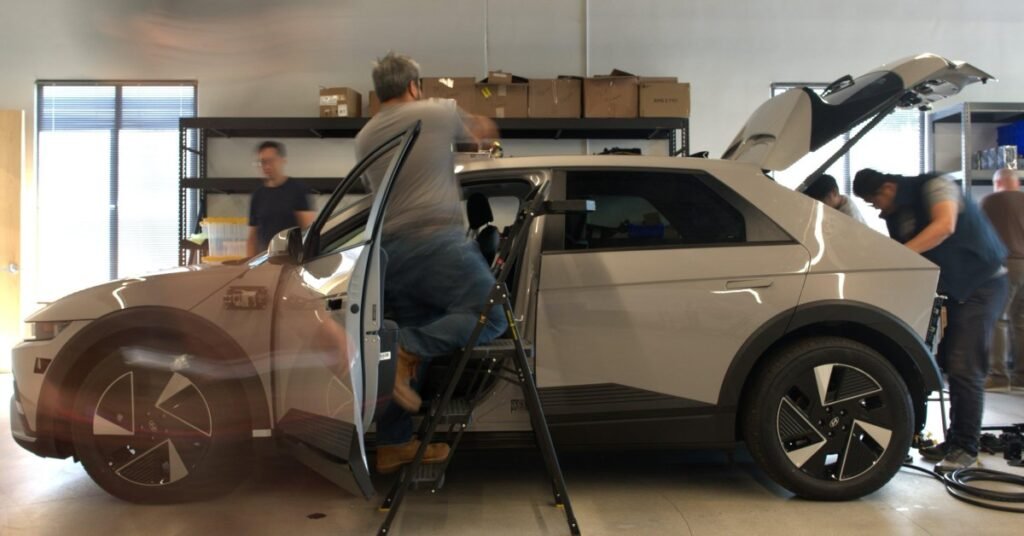
Uber is putting its own autonomous vehicles back on the road as part of its new AV Lab project to collect data for its dozens of robotaxi partners. The cars will be fitted with all the sensors typical of self-driving cars, like cameras, lidar, and radar. But notably the vehicles will not be operating as robotaxis, just gathering data for Uber’s dozens of robotaxi partners.
That’s an important distinction, especially if you know anything about Uber’s fraught history with self-driving cars. Uber sold off its AV division in 2020 after one of its self-driving cars killed a woman in Tempe, Arizona. Since then, the company has formed partnerships with dozens of AV startups, preferring instead to be the go-to platform for the technology rather than a developer.
But those startups are hungry for data, so Uber is hitting the road. The company is deploying a fleet of vehicles with all the necessary hardware for autonomous driving on its ridehail network. These vehicles, which will be manually driven, will generate revenue and complete regular Uber trips, Balaji Krishnamurthy, the company’s chief financial officer, said on X. More importantly, they’ll be “getting exposure to the variety of ‘edge’ cases our network handles countless times each day, as we fulfill 40M trips daily,” Krishnamurthy said.
AV operators need at least 10 million miles of data to reach their first public driverless launch, Krishnamurthy theorized. To that end, Uber’s new AV lab fleet will generate at least 2 million miles each month by the end of this year, “and will scale further from there in 2027,” he said.
The project is starting small with just one Hyundai Ioniq 5, though Uber executives tell TechCrunch they’re not wedded to that model. The driving data will be provided for free to any of Uber’s partners, which include companies like Wayve, WeRide, Nuro, Waabi, and others. It’s an acknowledgement that many AV developers aren’t as cash rich as Waymo, Tesla, and other leading AV developers, and could use some help defraying many of the costs associated with launching a commercial service.
Earlier this year, the company announced a new project called Uber Autonomous Solutions to provide a variety of services to its robotaxi partners. One of those services was training data from the company’s fleet of thousands of test vehicles that are out driving in dozens of cities. Uber said this data can help its partners improve their own autonomous vehicles as they seek to scale their robotaxi business more quickly.
You may be interested

Bryan Kohberger challenges conviction in Idaho murders
new admin - Jul 27, 2026Bryan Kohberger, the man serving multiple life sentences for the murders of four University of Idaho students, is challenging his…

The Odyssey film theory – Odysseus’ fantastical adventures didn’t really happen | Films | Entertainment
new admin - Jul 27, 2026As a Greek myth, Homer’s Odyssey is full of the fantastical, as Odysseus spends a decade encountering gods and monsters.…

Here’s how much interest a $25,000 1-year CD will earn if opened now
new admin - Jul 27, 2026A $25,000 1-year CD account has multiple timely advantages for savers to evaluate right now. Getty Images/iStockphoto If you have…