




Storage expert reveals the one place you shouldn’t keep shoes in January

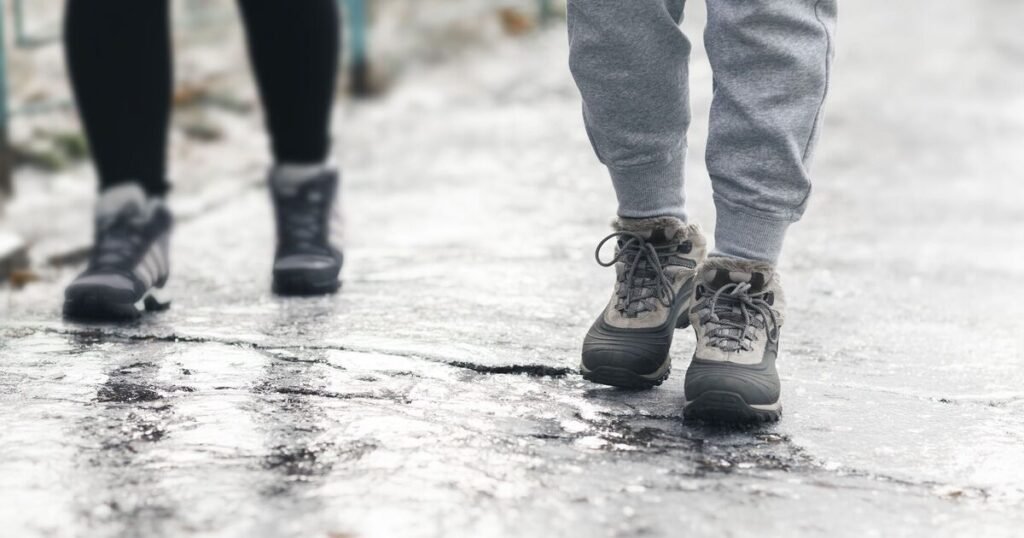
As January arrives and households across the UK attempt to restore order after the festive season, shoes often become the first items to be tucked away. Wet boots, muddy trainers, and everyday footwear are shoved into cupboards, baskets, and corners, with the aim of a tidy hallway and a fresh start for the New Year.
But storage experts warn that the way shoes are stored in winter can quietly create damp problems and unpleasant odours that linger long after the cold months pass. Adam Oakley, a storage expert at Door to Store, says the biggest mistake happens right at the front of the house.
“The most common place people store shoes in winter is the worst possible one. Under-stairs cupboards and enclosed hallway cupboards trap moisture, and that’s where damp and bad smells begin,” he said.
Under-stairs cupboards may feel practical, being close to the door and out of sight, but in winter they are usually cold, poorly ventilated, and prone to damp. When wet shoes are placed inside, moisture builds rapidly.
“Every time you put damp shoes into a closed cupboard, you’re adding moisture to a space that can’t release it. Over days and weeks, that moisture has nowhere to go,” Adam said.
Shoes are particularly problematic because they absorb rain, snow, puddles and even sweat. Moisture plus warmth encourages bacteria, producing strong odours that often go unnoticed until they permeate hallways, carpets and nearby rooms.
Wet shoes can also damage floors and furniture, leaving warped wood, damp carpet underlay, or mould spots inside cupboards.
Many people try to solve the problem with plastic boxes or baskets, but Adam cautions these often worsen it.
He said: “Plastic traps moisture, and fabric baskets absorb it. Stacking shoes together stops them from drying, creating a cycle of damp and odour.”
The solution is simple, all you need is airflow and space.
Shoes should be placed on open racks near the door, allowed to dry fully before storage, and kept separate from each other.
“Even a few hours of drying makes a difference,” Adam added.
January is the worst month to ignore the problem. Cold weather slows drying, heating creates condensation and windows remain shut, a perfect storm for damp and bad smells.
You may be interested

How Should Poch Handle Türkiye? Favorite Match So Far? Maurice Edu Answers Fans’ Questions
new admin - Jun 24, 2026[ad_1] NEWYou can now listen to Fox News articles! The USA faces an interesting situation on Thursday. The Americans have…

Judge blocks Trump administration from arresting immigrants at courts
new admin - Jun 24, 2026A federal judge in California issued a nationwide injunction against multiple Trump administration policies, among them one that allowed arrests…

About Group B Strep Disease | Group B Strep
new admin - Jun 24, 2026What it is GBS disease is a name for any infection caused by GBS bacteria. These bacteria commonly live in…