


Re-Evaluate Graduate Program Structure


To the editor,
In “4 Lessons on Lower-Income Student Success” (Oct. 6, 2026), Joshua Bay highlights how financial strain undermines students’ ability to complete higher education and outlines tangible ways institutions can better support them.
Having navigated undergraduate education in acute poverty and now contributing professionally to conversations about improving college students’ financial well-being, I found this article particularly timely and important. As a graduate student, I have encountered another gap in educational support: combined financial and structural challenges affecting graduate students, particularly those in programs with limited assistantship and funding opportunities.
Graduate students may struggle with food and housing insecurity, inadequate health care, transportation costs, and other basic expenses while navigating demanding academic programs that leave little time for paid employment. As a master of social work student, I am balancing a full-time course load, an unpaid mandatory practicum internship and commutes of up to 90 minutes each way to both campus and to my practicum placement. Despite using federal loans that covered tuition and fees and little else, I have had to take a part-time job that barely covers transportation and groceries.
The resulting physical and psychological exhaustion are not simply personal challenges; they reflect an educational structure that often assumes students can afford to prioritize school over paid work. For graduate students who might have to choose between attending class, affording gas and working to cover basic expenses, emergency aid may offer some temporary relief. However, additional applications and paperwork create yet another burden for students already struggling to stay afloat.
Institutions should build on Bay’s recommendations by addressing a fifth issue: re-evaluating graduate program structure. While my experience is specific to social work education, the broader concern extends to accredited graduate programs across disciplines. The goal is not to lower academic standards, but to ensure programs are structured and delivered in ways that are educationally effective, equitable and sustainable for students.
Accreditation standards establish fundamental educational requirements, but institutions and faculty retain responsibility for how those standards are implemented. This includes evaluating the volume and sequencing of coursework and assignments, coordinating deadlines and course content to reduce repetitive overlap and unnecessary textbook costs, and reconsidering whether the cumulative demands of a two-year program are realistic for students who must also work to support themselves today.
Programs requiring internships, such as social work, should examine the financial and logistical burdens of unpaid practicum placements, including transportation costs and lengthy commutes.
Re-evaluating these structures does not mean compromising educational rigor; however, it does mean ensuring that the way graduate students are expected to meet those standards is intentional, effective and attainable for students across economic circumstances. Higher education cannot promise opportunity while structuring degree completion around the assumption that students have financial support elsewhere. If graduate programs want students from lower-income backgrounds to succeed and serve their communities, especially in fields like social work, they must make education sustainable throughout the degree and not merely accessible at admission.
You may be interested

10/11: Face The Nation
new admin - Oct 11, 2026This week on "Face the Nation with Margaret Brennan," U.S. Secretary of Homeland Security Markwayne Mullin joins, along with Sens.…
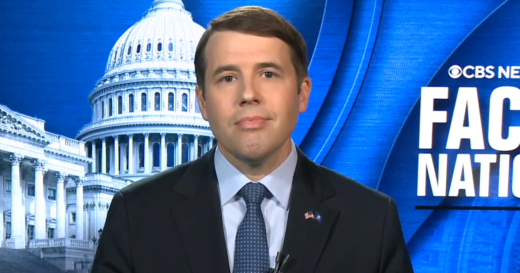
Democrat Chris Pappas says “we’re taking nothing for granted” amid “tough race” in New Hampshire
new admin - Oct 11, 2026Washington — Democratic Rep. Chris Pappas, who's running to represent New Hampshire in the Senate, said on Sunday that "we're…

Sen. Chris Murphy says Trump administration is "absolutely incompetent in war making"
new admin - Oct 11, 2026Democratic Sen. Chris Murphy of Connecticut on "Face the Nation with Margaret Brennan" slammed the Trump administration for its handling…