

New DNA technology leads to identification of Revolutionary War soldier: “A gift to the whole country”

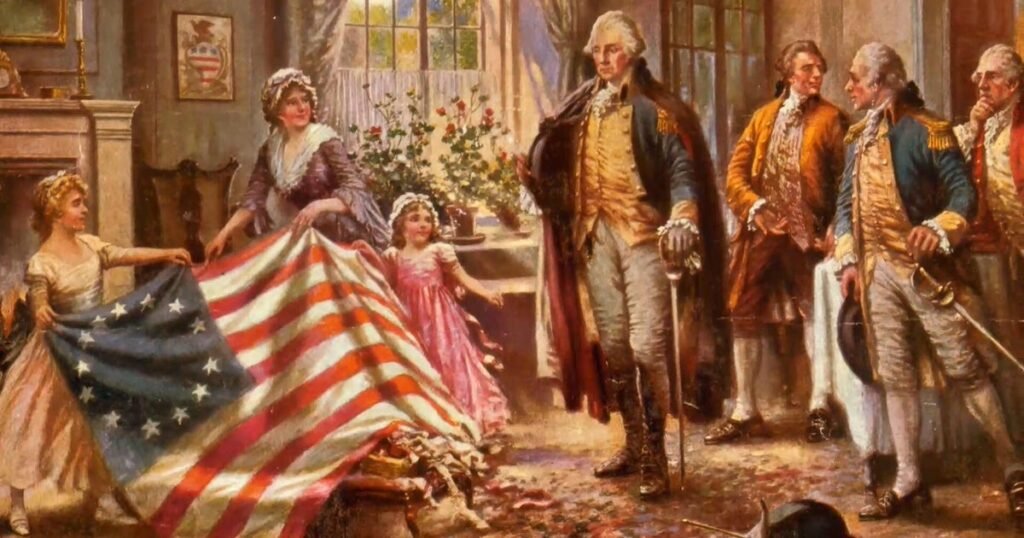
The peaceful pine forests of Camden, South Carolina, have spent centuries hiding a secret as old as America itself. In August 1780, British and American soldiers clashed there, leading to a terrible defeat for the Continental army.
Battlefield archaeologists Jim Legg and Steve Smith have been studying the site for decades, but recently, they made a shocking discovery: The sandy soil was home to several sets of remains buried in shallow graves. Metal buttons suggested the men had been Continental soldiers, but there was no other identification. Remains were given numbers instead of names.
About 2,000 Continental soldiers were killed, wounded or captured, and some men never returned home. Their families could only guess at their fates. But Legg and Smith’s discovery, paired with an explosion in DNA technology, is changing what’s possible.
A set of remains, previously known only as 9B, has been identified as John Pumphrey, a young man from Maryland who enlisted in the Continental Army’s 7th Maryland Regiment as young as 13.
Allison Peacock, a genetic genealogist who uses DNA and family trees to identify remains, said researchers used “three different types of DNA” and biographical data to make the identification. Identifying the remains at last puts “goosebumps on her arms,” she said.
The Pumphrey family has deep Maryland roots, historic records show. The family owned sawmills and real estate, but court records show the estate was lost in a dispute after John Pumphrey’s father died. A need for money may have led to the teen’s decision to enlist, Peacock said.
“I’m sure he just was building a new life for himself,” Peacock said.
Pumphrey likely marched more than a thousand miles with the regiment. The unit fought in battles with then-Gen. George Washington in New Jersey and Pennsylvania.
The Pumphrey family still exists today. The DNA that helped identify Pumphrey’s remains came from three women: Pam Donahue, Karen Pumphrey Etchison, and Nancy Pumphrey White. Donahue said she is proud to know her fourth-great-uncle fought for the United States.
“To find out that we do have a young man that sacrificed his life for the development of our country, it’s amazing, absolutely amazing,” she said.
In late June, members of the extended Pumphrey family came together to hear his story and say his name for the first time in centuries. His remains are interred in South Carolina, where he and the other soldiers were discovered, but the tombstone, once marked “Unknown,” will soon have his name carved on it.
“I think it’s a gift to the whole country to know his story,” Peacock said.
You may be interested

Pope Leo XIV celebrates America's 250th birthday, receives Liberty Medal
new admin - Jul 04, 2026Chicago-born Pope Leo XIV, the first American pontiff, celebrated America's 250th birthday with a speech, praising the nation's tradition of…

Philadelphia’s Reading Terminal Market offers feast of food, history
new admin - Jul 04, 2026Philadelphia's Reading Terminal Market offers feast of food, history - CBS News Watch CBS News Reading Terminal Market in Philadelphia…
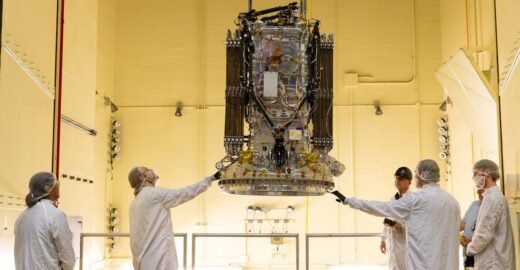
NASA launched an emergency mission to stop the Swift Observatory from crashing to Earth
new admin - Jul 04, 2026The Swift Observatory was launched in 2004, but recent solar storms have pushed its orbit lower, and it’s in danger…