



In Nepal, mourners hold symbolic cremation for missing loved ones

The wall of ice, water and rock that tore through Nepal last week has claimed more than 1,200 lives and left more than 4,000 missing, depriving many grieving families of a basic rite: funerals.
The scale of the disaster has proved challenging for authorities, with morgues overwhelmed by a large number of unidentified remains. In many cases, bodies have been washed far downstream and rendered unrecognizable, while others still missing are feared to have been buried in the torrent of thick mud.
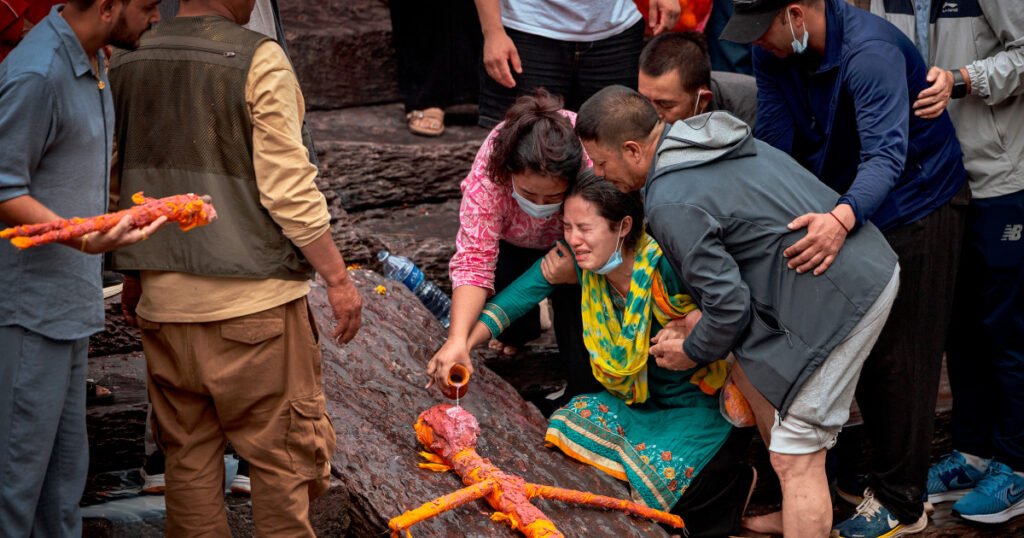
As hopes fade that survivors will be found, a week on from the disaster, family members without the remains of their loved ones have begun to hold symbolic cremations.
The ceremonies provide an outlet for the grief and uncertainty that have gripped so many in Nepal, and ensure that a key religious rite is afforded to the dead.

At Kathmandu’s Pashupatinath Temple, the most revered Hindu temple in Nepal, mourners gathered Wednesday to mark the loss of missing loved ones. On the banks of the holy Bagmati River, they burned effigies made of kusa grass, also called darbha, a plant used in Hindu rituals, on miniature funeral pyres.
The small stick figures, wrapped in orange cloth, were rubbed in paste and covered in garlands of orange flowers.
You may be interested

How Immigrants See Their Own Story Reflected in Singer
new admin - Sep 03, 2026[ad_1] When Dolly Parton died last week, it felt as if the world had sunk behind the horizon. I was…

How Sonos rebooted itself | The Verge
new admin - Sep 03, 2026Today, I’m talking with Tom Conrad, the CEO of Sonos. Tom and I have known each other for a long…

Plane passenger livid after swapping seat so stranger's 'child could sleep'
new admin - Sep 03, 2026A passenger sparked a flight etiquette row after a parent pressured them into giving up their paid-for window seat so…