



Everything We Know and What Comes Next

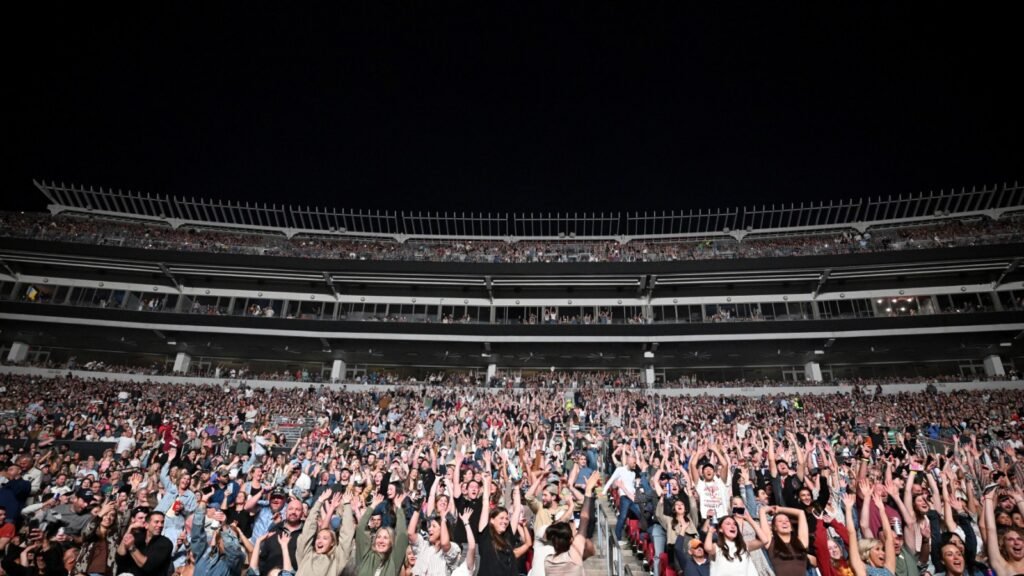
Big changes could be coming to the concert and live entertainment industry. On Wednesday, a jury found Live Nation and Ticketmaster liable for operating as a monopoly, marking one of the most significant antitrust decisions in recent memory.
Originally sued by the Department of Justice in 2024 (with nearly 40 states, plus Washington D.C., signing on as co-plaintiffs at the time), Live Nation was accused of exerting outsized influence over the live entertainment industry thanks to dominant positions in ticketing, promotions, and venues. For instance, the jury heard testimony that Live Nation threatened to withhold lucrative concerts from large venues that did not sign exclusive deals with Ticketmaster; and that artists who wanted to play Live Nation-owned amphitheaters also had to use the company as a promoter.
Lawyers for Live Nation countered that the company had succeeded on its own merits. Live Nation’s multi-pronged business model, they claimed, was no different from that of its competitors, and its success was predicated on offering the best quality product and services to artists, fans, and venue owners.
The jury ultimately ruled against Live Nation, but how exactly this decision will affect the real world remains unclear. The judge overseeing the case still needs to decide remedies, and Live Nation has confirmed it will appeal. Still, a landmark decision is a landmark decision — here’s a complete guide to everything that happened, and what comes next.
Just how big a win was this?
Enormous. The jury decided overwhelmingly against Live Nation, with a checkmark sitting next to every “Yes” box on the 10-page verdict form. As Jeffrey Kessler, the lawyer who took over the case as lead counsel after the DOJ settled mid-trial, told Rolling Stone, “There are lots of ways we could have had less than a total victory, but this was a total victory.”
What exactly were Live Nation and Ticketmaster found liable for?
The main charges essentially boiled down to whether or not Live Nation and Ticketmaster had monopoly power over various facets of the industry, like the primary ticketing market for major concert venues, or the large amphitheater market. The jury also affirmed the states’ “tying” claim, where they alleged that Live Nation “unlawfully tied artist promotion services” to use of its amphitheaters.
The jury further found that Live Nation “engaged in unlawful conduct that harmed competition” in each of the 33 co-plaintiff states, plus D.C. And that the company violated a handful of states’ individual antitrust or fair business practices laws.
That sounds pretty heavy. What’s the punishment?
That has yet to be decided, and we won’t know anytime soon. Judge Arun Subramanian will determine remedies at a second set of proceedings, but it’s unclear when those will take place. As Kessler explained, the states will spend the next few months working together, and with experts, to figure out a proposal, which they’ll then present to the court.
Broadly speaking, the states could ask for any number of remedies, including breaking up Live Nation and Ticketmaster, or forcing Live Nation to divest from other assets (such as some of its venues). There will also likely be significant monetary damages.
How significant?
One thing the jury was asked to decide was whether Ticketmaster used its alleged monopoly power to overcharge fans for tickets. They said “yes,” and agreed with the assessment that the average overcharge came to $1.72 per ticket. That figure will serve as Subramanian’s basis for determining damages. Obviously, $1.72 isn’t much in and of itself, but multiplied over potentially millions of tickets, across more than 30 states, that number could easily reach hundreds of millions of dollars, if not more.
What does the verdict mean for that DOJ settlement from a few weeks back?
That proposed deal (which six of the original co-plaintiff states signed onto) still needs approval from Judge Subramanian. He’s set to review the settlement, and make sure it was made in the public interest, under a law known as the Tunney Act. As Kessler noted, Subramanian has asked the states, Live Nation, and the DOJ to get together to propose a schedule that incorporates both remedies hearings and the Tunney Act review since “those issues are related to each other.”
Well, just how “in the public interest” was that original settlement?
That’s for Judge Subramanian to decide, but the proposal has had many critics. Yes, Live Nation did agree to some concessions: Ticketmaster, for instance, said it would cap its exclusivity contracts with venues at four years, and offer concert venues the opportunity to choose either exclusive or non-exclusive arrangements. They also said they would cap service fees at 15 percent at all Live Nation-owned amphitheaters, and divest from exclusive booking arrangements at 13 amphitheaters that Live Nation does not own.
But many argued the deal did not go far enough, including the state AGs who continued the case, politicians, Live Nation and Ticketmaster competitors, and industry trade groups like the National Independent Venue Association. Speaking with Rolling Stone after the settlement was announced, Sen. Amy Klobuchar said, “Every time a Justice Department or an administration has done something like this, [the company has] gotten around it and grown even bigger. The only way to see a future for competition in ticketing, venues, and promotion would be breaking them up.”
Didn’t Klobuchar and a few other senators just ask the judge to look into the settlement?
Yes. The night before the verdict was announced, Democratic Senators Klobuchar, Elizabeth Warren, Cory Booker, Richard Blumenthal, Mazie Hirono, and Peter Welch asked Subramanian to “closely scrutinize” the deal. They cited recent reports that suggested the settlement was “negotiated under suspicious circumstances” and may have been agreed to “in response to political pressure rather than the public interest.”
Suspicious circumstances? Political pressure? That sounds spicy!
The Live Nation case has taken on a significant political dimension, especially as the company lobbied the Trump administration over the suit. Most notably, the company retained MAGA influencer-lawyer Mike Davis, who also helped lobby the DOJ to drop its challenge to a $14 billion merger involving Hewlett Packard and Juniper Networks. According to a recent Wall Street Journal story, Trump himself intervened: After hearing about the case from prominent people, the president reportedly asked what was holding up a deal. One was eventually reached after a meeting at the White House reportedly attended by Live Nation CEO Michael Rapino, the company’s lawyers, and DOJ officials (including former Attorney General Pam Bondi).
Subramanian seemed primed to look into the settlement even before the senators submitted their letter. The judge was one of several parties (including some of the DOJ’s own trial lawyers) completely surprised by the deal. The terms were reportedly agreed to on March 5, but the court wasn’t told until March 9, a timeline Subramanian called “unacceptable.” A few days later, he issued a standard, but nevertheless pointed, order calling for “all relevant communications” pertaining to the settlement to be “retained.”
What’s Live Nation’s next move?
Well, they confirmed their plan to appeal, meaning the case could continue for several years. They’re also hoping to win a few post-trial motions that could tweak the nature of the verdict. In a statement issued Wednesday, the company described the jury’s verdict as “not the last word,” noting there are pending motions to “determine whether the liability and damages rulings stand.”
Live Nation has also taken issue with one of the expert witnesses called by the states. They said there’s “a pending motion to strike the damages testimony on which the jury’s award was based. The Court deferred ruling on that motion as well.”
So what does all this mean for fans? Or artists? Or independent venue owners or promoters?
Those are potentially multibillion dollar questions that, unfortunately, won’t be answerable until we know remedies, or if Live Nation is successful in their appeal. The landscape of the live entertainment industry could very well shift dramatically based on this ruling, but it won’t happen immediately. In other words, don’t expect those concert ticket prices to go down anytime soon.
You may be interested

2026 AMAs Winners: The Full List
new admin - May 25, 2026[ad_1] The American Music Awards returned for the second year in a row on Memorial Day Monday to hand out…

Honoring fallen U.S. service members on Memorial Day
new admin - May 25, 2026In celebrations throughout the country, communities honored the lives of fallen U.S. service members. Jericka Duncan takes a look at…

Wander Franco avoids prison after judge grants pardon in abuse retrial
new admin - May 25, 2026[ad_1] NEWYou can now listen to Fox News articles! Former Major League Baseball All-Star Wander Franco will avoid prison despite…