

Designing the future of Louis Vuitton

Inside a modest building outside Paris, you’ll find a museum of sorts, where more than a century of treasures are carefully stored and preserved. “It’s intimidating,” said Nicolas Ghesquière. “But here, it is always where you can find secrets.”
Those secrets are in the hands of Ghesquière, the designer shaping the French fashion house Louis Vuitton.
ApicGetty Images 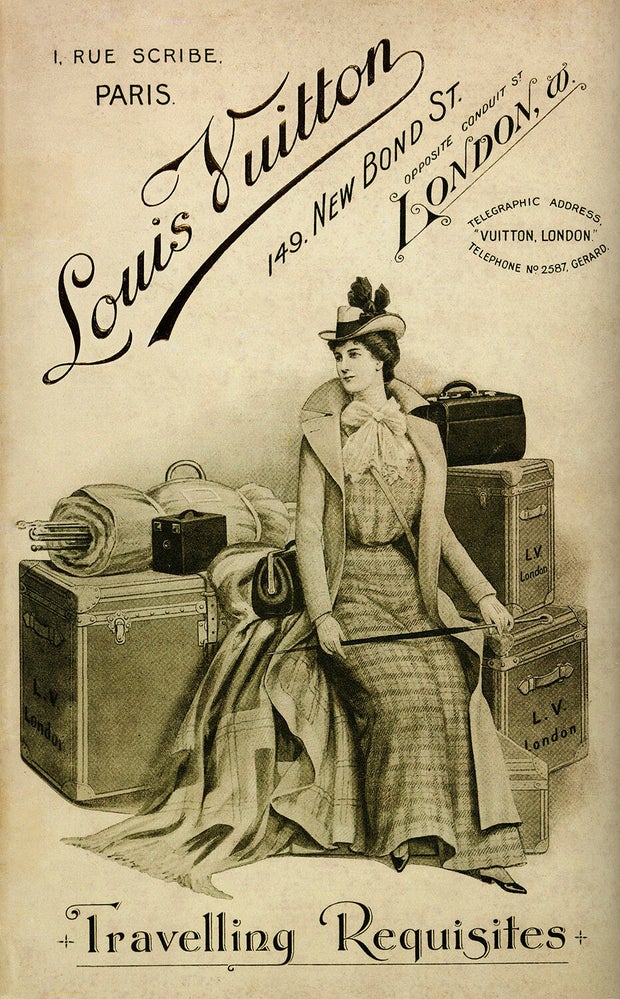
“The story of Louis Vuitton itself is innovation,” he said. “The man was the innovator in his process, in his development.”
Louis Vuitton was born in 1821. The young French trunk-maker built a company on a simple idea: A flat, stackable trunk. It replaced the old rounded tops, and revolutionized travel.
Vuitton’s luggage would become a status symbol.
“I’m fascinated that the first was function, and then, of course, this absolutely exquisite elaboration, that define what is luxury,” Ghesquière said. “It’s what we do; it’s that balance between function, craftmanship, and in the same time looking forward for new ideas and innovation.”
That original idea lives on at the Vuitton family home and workshop on the outskirts of Paris. Pierre-Louis Vuitton, the founder’s great-great-great-grandson, makes sure those famous trunks are still made just as they were 172 years ago. “When they make a trunk, it’s not a trunk for a day, it’s not a trunk for a week; it’s a trunk for life,” he said.
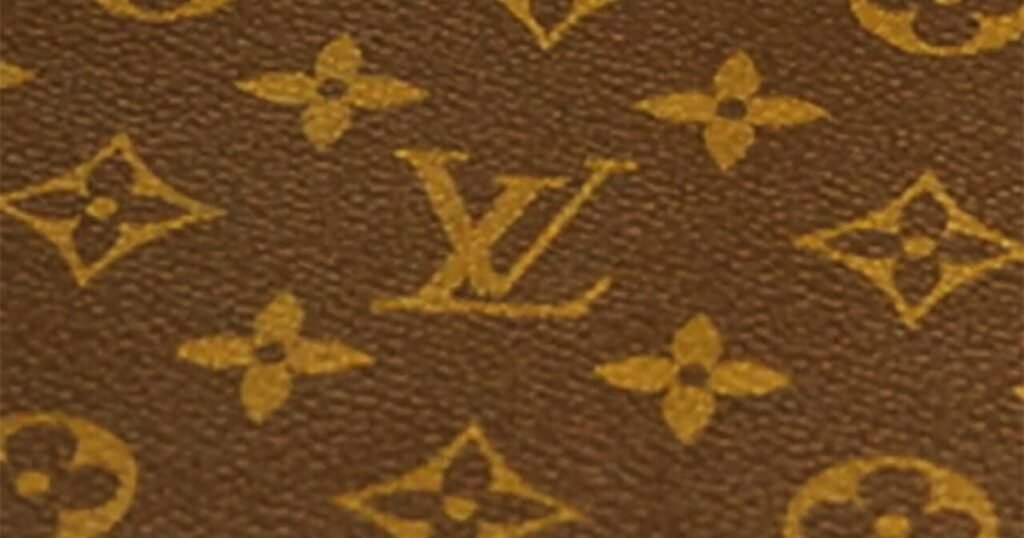
There’s also that calling card: the interlocking “L-V” that is among the most recognizable and copied symbols in the world.
CBS News 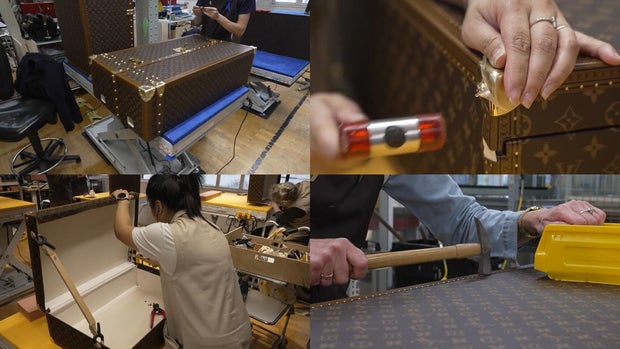
Today, L-V is the world’s largest luxury brand.
Ghesquière said, “You have to forget that it’s that big, because if you think too much about it, it’s too intimidating. Because every small decision you make at Louis Vuitton has a massive impact economically, creatively, in every aspect.”
When he designs a new fashion collection, Ghesquière says he thinks about that original Vuitton trunk: “Like a little bit of a fairy tale, I like to think about every season is like, let’s open one trunk. What can you imagine is inside? What books would be inside? What colors? What memories of a person?”
His Petite Malle, a trunk shrunk to the size of a small clutch, is a bridge from the company’s 19th century origins to today. “It’s just big enough to put a phone and some keys,” he said.
CBS News 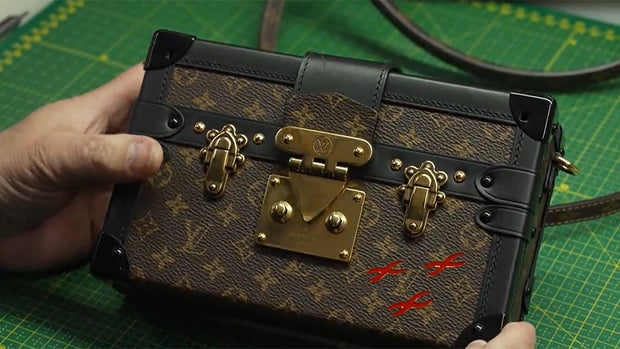
Ghesquière gave us a peek at his latest collection, set to show this week in New York. Sure to make headlines: a collaboration with the estate of the late artist Keith Haring. “It’s gonna be definitely for the clothes, certainly for the bags,” Ghesquière said.
Lyvans Boolaky/Getty Images 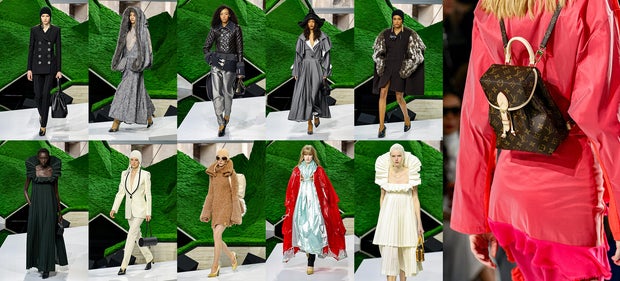
He says the key is the unexpected: “It could be a classic surprise, a colorful one, or you know, something completely experimental. Fashion sells because people want new things. Not only new; they want to be different.”
Because even a house built on history must always look forward.
CBS News 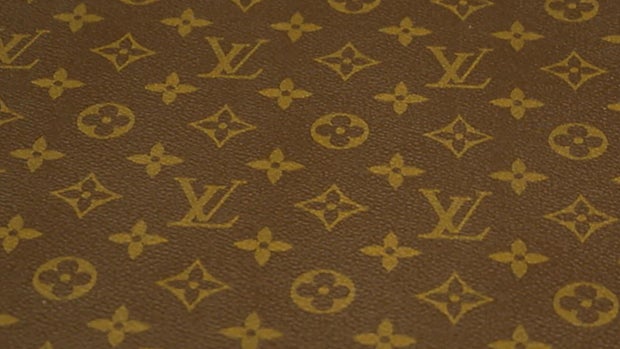
For more info:
Story produced by Mikaela Bufano. Editor: Remington Korper.
You may be interested

Ex-boyfriend and his fiancée behind fatal stabbing, shooting of Texas mom Alyssa Burkett
new admin - Jun 07, 2026This story originally aired on Nov. 16, 2024. It was updated on June 6, 2026.In the months after Alyssa Burkett…

Democrat Xavier Becerra advances in California governor's race as he awaits runoff challenger
new admin - Jun 07, 2026Democrat Xavier Becerra has advanced to the general election for California governor, CBS News projects. As of Saturday, it is…

4 ‘natural antihistamine’ fruits which ‘help keep hay fever at bay’
new admin - Jun 07, 2026Many people suffer from hay fever symptoms (stock image) (Image: Olga Pankova via Getty Images)As pollen levels soar with the…