

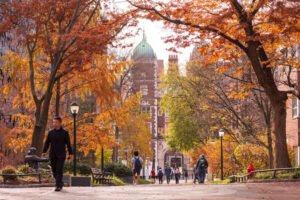
Cuts to TRIO Will Harm Rural Students


Efforts to get rural students into college would end if the government cuts federal funding to access programs including TRIO, according to Mara Tieken, a professor of education at Bates College whose research centers on racial and educational equity in rural schools and communities.
“So many of these rural public high schools are operating on shoestring budgets; they can’t cut anywhere else,” Tieken told Inside Higher Ed editor in chief Sara Custer on a recent episode of The Key, IHE’s news and analysis podcast. “These programs do essential work that just won’t get done if they’re not there.”
Rural students, who tend to take out more loans than their peers from urban or suburban locations, are also vulnerable to changes in federal student loan repayment plans. “Any changes to repayment—making either repayment more costly or more difficult—it’s going to make things more difficult for rural students,” she said.
Beyond federal funding, colleges could do a better job of supporting rural students on campus, Tieken said. Identifying which students have a rural background is good place to start. “We tend to think about geography in some pretty superficial ways when it comes to higher education, like, do we have a student from all 50 states? That actually is a very meaningless indicator when it comes to thinking about access and equity,” she said.
Tracking students’ geographic origins could help other students on campus, she notes. She’s observed that the challenges rural students face—culture clashes, not being able to return home after graduation, academic underpreparation—are likely shared with students from marginalized urban areas. “I think we’ve got a lot of work to do when it comes to really thinking about how we conceptualize geography in terms of admission and then tracking those same students throughout their time at the institution,” she said.
Institutions also have political incentives to support rural students’ degree completion and job placement. In Tieken’s research, rural students’ successes or failures are often shared by their communities, places where many people don’t have degrees and distrust in the value of higher education is likely high. “When students aren’t able to finish a degree, they have to return home and then that’s just one more example for the high schoolers and for the families that are still in that rural community of ‘Look, he went on and then he came back, wasn’t able to be successful and he’s still saddled with a whole bunch of debt. Of course, college is not for me, right?’”
Listen to the full episode here.
You may be interested

Iran targets U.S. bases in Jordan and Iraq as raging war depletes U.S. interceptor stockpiles
new admin - Jul 24, 2026Iran's military said on Friday it carried out drone strikes against several American military facilities and bases in Bahrain, Jordan…

Facebook considers giving up and becoming TikTok
new admin - Jul 24, 2026Facebook is planning some big changes to try and keep its users from jumping to rival social platforms like TikTok…
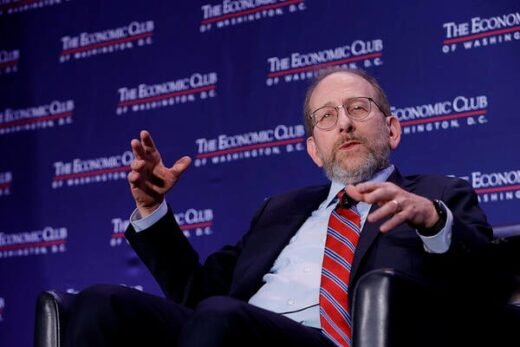
Harvard President Discusses Federal Fight
new admin - Jul 24, 2026[ad_1] Garber said that Congress “has an important role to play in defending research.” The Economic Club of Washington, D.C./Gary…