



Conjunctivitis: What Is Pink Eye?

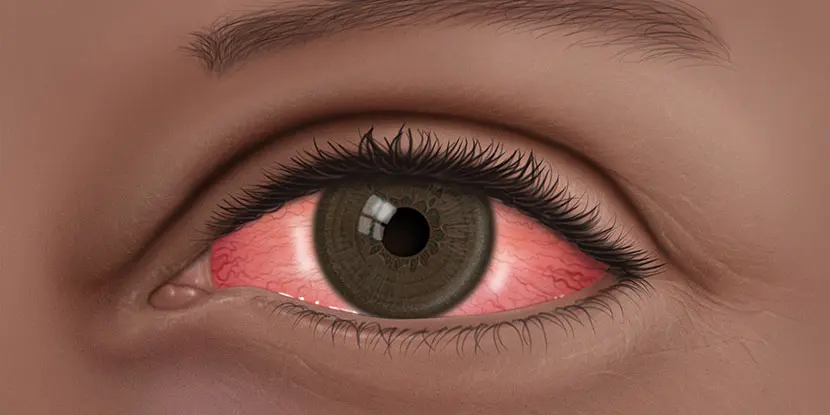
Conjunctivitis — often called pink eye — is inflammation of the conjunctiva in one or both eyes, caused by an eye infection or allergies. Pink eye can affect adults or children. If you have pink eye, your eyes will be red and swollen (inflamed) and may have a sticky discharge. Some types of pink eye are very contagious (easily spread from person to person), but many others are not. Learn what causes conjunctivitis, how to treat it, and how to avoid getting pink eye in the future.
What Are the 3 Types of Conjunctivitis in Adults and Children?
Conjunctivitis (pink eye) can be caused by:
- A virus
- Bacteria
- Allergies
Bacterial and viral conjunctivitis are easily spread from person to person, especially in close contact, or from touching an infected surface. Allergic conjunctivitis is not contagious.
All three types of pink eye can affect children and adults. But children are more likely than adults to get pink eye from bacteria or viruses. That’s because these germs easily spread from child to child on infected surfaces and unwashed hands, especially in areas with close contact such as schools and day care centers.
1. Viral conjunctivitis is the most common and contagious type of pink eye
Viral conjunctivitis usually causes burning, red eyes with a watery discharge. Viral pink eye is very contagious and spreads quickly among children and adults in schools and other crowded places.
- Usually, viral pink eye is caused by the same virus that causes the common cold, producing a runny nose and sore throat.
- Less often, viral conjunctivitis can be caused by more serious viruses, such as COVID, bird flu, measles, or monkeypox.
2. Bacterial conjunctivitis is less common but very contagious
Bacterial conjunctivitis causes sore, red eyes, with a lot of sticky pus oozing out of the eye. Some people with bacterial pink eye have little or no discharge.
The bacteria that cause this type of pink eye can be easily spread from person to person through hand-eye contact. Sometimes the bacteria that cause pink eye are the same as those that cause strep throat.
3. Allergic conjunctivitis is not contagious
Allergic pink eye makes your eyes very itchy, red, and watery. Your eyelids may get puffy.
You might develop allergic pink eye if you have an allergic reaction to pollen, animals, cigarette smoke, pool chlorine, car fumes or something else in the environment. Allergic conjuntivitis is not contagious.
How Do Children and Adults Get Conjunctivitis?
Bacterial and viral conjunctivitis can be quite contagious. Children are most likely to get pink eye from bacteria or viruses. This is because they are in close contact with so many others in school or day care centers. Adults are more likely to get pink eye from unclean contact lenses, or from touching an infected surface in a gym or other facility.
The most common ways that adults and children become infected with viral or bacterial pink eye include:
- Direct contact with an infected child’s or adult’s bodily fluids, usually through hand-to-eye contact
- Spread of the infection from bacteria living in your own nose and sinuses
- Not cleaning contact lenses properly, or using poorly fitting contact lenses or decorative contacts
Conjunctivitis Pain, Sensitivity to Light, and Other Pink Eye Symptoms
Your pink eye symptoms may include:
What Is the Best Pink Eye Treatment?
Treating your pink eye depends on the type of conjunctivitis you have:
- Viral pink eye has no treatment. Your body must fight the virus on its own. Placing a cool, wet washcloth on your eyes and lubricating them with artificial tears eye drops can help make them feel more comfortable. Discard the bottle of eye drops when you recover to avoid spreading germs to yourself or others.
- Bacterial pink eye may need be treated with antibiotic eye drops prescribed by your medical doctor or an ophthalmologist, depending on how severe your symptoms are. Antibiotic eye drops will not help treat pink eye caused by a virus or by allergy.
- Allergic pink eye may be treated with allergy eye drops to help with the itchiness and puffiness. If conjunctivitis was caused by a chemical or other substance in your eye, you will need to rinse the substance from your eye. Your doctor or ophthalmologist might advise you to use certain eye drops or an eye ointment to help you heal.
Conjunctivitis usually goes away on its own within 1 to 2 weeks. If your symptoms last longer than that, you should see your ophthalmologist. He or she can make sure you don’t have a more serious eye problem.
Can I Work Out With Pink Eye? Can I Attend School or Work With Pink Eye?
If you have allergic conjunctivitis, it is safe to keep attending school, work, or the gym.
If you have bacterial or viral conjunctivitis, stay home and avoid contact with other people. Do not return to the gym, school, or work until your eyes are no longer red with discharge.
Prevent Pink Eye Exposure & Avoid Spreading Pink Eye
Viral and bacterial conjunctivitis can spread quickly from person to person. Prevent exposure to pink eye by avoiding contact with infected people when possible. If you are caring for someone with pink eye, consider wearing a mask and disposable gloves while interacting with them or handling their belongings. Wash your hands often and avoid touching your eyes.
If you have conjunctivitis, follow these tips to prevent pink eye from spreading:
- Use a clean towel or tissue each time you wipe your face and eyes. People who touch your discarded towels and tissues should wear gloves or wash their hands thoroughly after handling the items.
- Try not to touch your eyes. If you do touch your eyes, wash your hands right away with soap and water to avoid spreading germs to other surfaces.
- Wash your hands often. Always wash your hands before and after you eat, when you go to the bathroom, or after you sneeze or cough.
- Do not wear contact lenses while your eyes are infected. Make sure to clean or replace your contact lenses exactly as your ophthalmologist recommends. You should not wear contact lenses until the conjunctivitis goes away.
- Do not use eye makeup while your eyes are infected. Bacteria can live in makeup, and this can cause pink eye and even a dangerous infection of the cornea. Replace your makeup after you recover from an eye infection and never share eye makeup with others.
- Discard any eye makeup, eye drop bottles, disposable contacts, or other products that you may have used near your eyes since developing pink eye.
Frequently Asked Questions About Pink Eye (Conjunctivitis)
Q. Can pink eye be something else? How can I tell it’s not a more serious condition?
A: Yes, sometimes other eye conditions mimic pink eye. For example, Keratitis (corneal inflammation) or other eye irritations can cause redness, pain, discharge, or vision problems. If you have persistent symptoms, worsening pain, sensitivity to light, or vision changes, you should contact an eye care professional rather than assume it’s simple conjunctivitis. Learn how to tell if it’s pink eye or something more serious.
Q. How can my doctor tell if my pink eye is caused by a virus, bacteria, or allergy? And why does the cause matter?
A: An ophthalmologist can usually determine the type of conjunctivitis by asking about your symptoms, examining your eyes, and looking at the type of redness and discharge you are experiencing. Viral pink eye often causes watery discharge and may develop during or after a cold or upper respiratory infection. Bacterial pink eye tends to cause thicker, yellow-green discharge. Allergic conjunctivitis usually causes intense itching, lots of tears, and affects both eyes. Identifying the cause matters because antibiotics only help bacterial conjunctivitis (they do not help viral or allergic types of pink eye) and allergic conjunctivitis is treated differently, with anti-allergy medications and avoiding the allergen.
Q. What symptoms of pink eye mean I should seek medical care right away?
A: You should contact an ophthalmologist immediately if you have moderate to severe eye pain, blurred vision, increased sensitivity to light, intense redness, symptoms that get worse instead of improving, or if you have a health condition that weakens your immune system. These may signal something more serious than routine conjunctivitis. Find an ophthalmologist in your area.
You may be interested

3 Ways to Help Your Kids Have a Healthy School Year
new admin - Oct 13, 2026With kids heading back to school, there are ways you can help them stay healthy and happy.Every school day counts.…

Ilhan Omar raid concerns immigration paperwork from when she was a child, sources say
new admin - Oct 13, 2026Federal agents searched Rep. Ilhan Omar's Washington, D.C., home Monday morning. Sources tell CBS News a yearslong probe into Omar…

When to Keep Your Child Home Sick from School
new admin - Oct 13, 2026If your child is not feeling well, your pediatrician is the best person to consult about whether they can go…