


Cat and dog owners urged to ‘use treatment correctly’

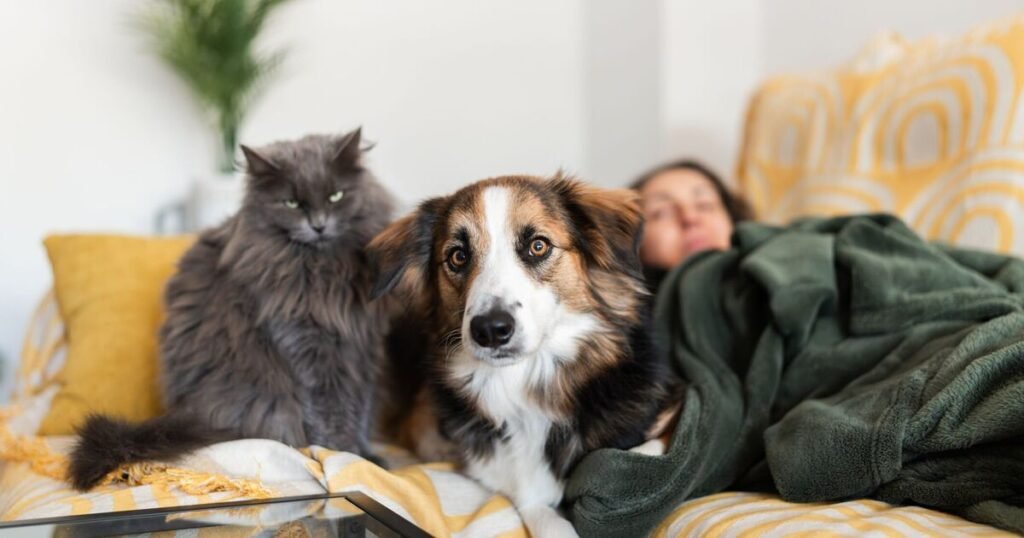
The Veterinary Medicines Directorate (VMD) confirmed that these products offer vital protection for the millions of pets across the country.
However, it has raised concerns that many pet owners are failing to use them in line with the provided instructions and guidance, potentially contributing to the contamination of waterways.
Research funded by the VMD revealed that these treatment substances find their way into waterways when pets are permitted to swim in natural water too soon after treatment, or through wastewater when the product is incorrectly applied.
Pet owners have been advised to follow three key steps when using flea and tick spot-on treatments to minimise environmental damage while ensuring their pets remain protected. Further information and guidance is also available through the Government’s Be Spot On campaign.
Plan
The VMD recommends: “If you need to wash your pet then do it in the days before applying the medicine, rather than afterwards. Pick a time to apply the medicine when you won’t be in close contact with your pet, for example at night or before you go to work.”
Following this advice will help prevent treatment chemicals from entering waterways via wastewater, while also safeguarding the health of owners.
Apply
Carefully read the instructions on your chosen product and adhere to them closely. The VMD product information database also provides comprehensive guidance for a range of different products.
For the majority of treatments, you will need to part your pet’s fur until the skin at the application site is visible. Apply the product directly onto the skin rather than the fur itself.
Protect
Once the product has been applied, take care regarding where your pet ventures. Avoid touching the application site until it has fully dried, and do not allow your pet to swim for a minimum of four days afterwards, while also limiting swimming and bathing in the weeks that follow.
Pipettes used during application must not be rinsed out or recycled. Any unused or out-of-date medication must also be disposed of responsibly – contact your medicine supplier for further details on how to do this.
While some pet owners leave their animal’s shed fur out for nesting birds, if your pet has been treated with a spot-on product, any moulted fur must be placed in the bin.
Veterinary Medicines Directorate’s Chief Executive Officer, Abigail Seager said: “Flea and tick spot-ons are an important way to protect both human and animal health, but these substances are reaching our waterways.
“Today we are giving people the practical information they need to get the most out of their pet’s treatment while helping protect our waterways. We are proud to be working with partners across the veterinary and retail sectors to spread that message as widely as possible.”
You may be interested

Telemundo executive among those killed in Kenya helicopter crash
new admin - Aug 19, 2026IE 11 is not supported. For an optimal experience visit our site on another browser.Now PlayingTelemundo executive among those killed…

Niall Horan Is Letting Fans Choose Next Tour Set List Through Votes
new admin - Aug 19, 2026[ad_1] Niall Horan has been thinking about the set list for his upcoming Dinner Party tour for months. But with…

Army unit offers 4-day pass to play Grand Theft Auto VI as reenlistment incentive
new admin - Aug 19, 2026Some U.S. military members who are itching to play a video game they've anticipated for over a decade can trade…