



Rivian’s R2 beat its own climate goals four years early

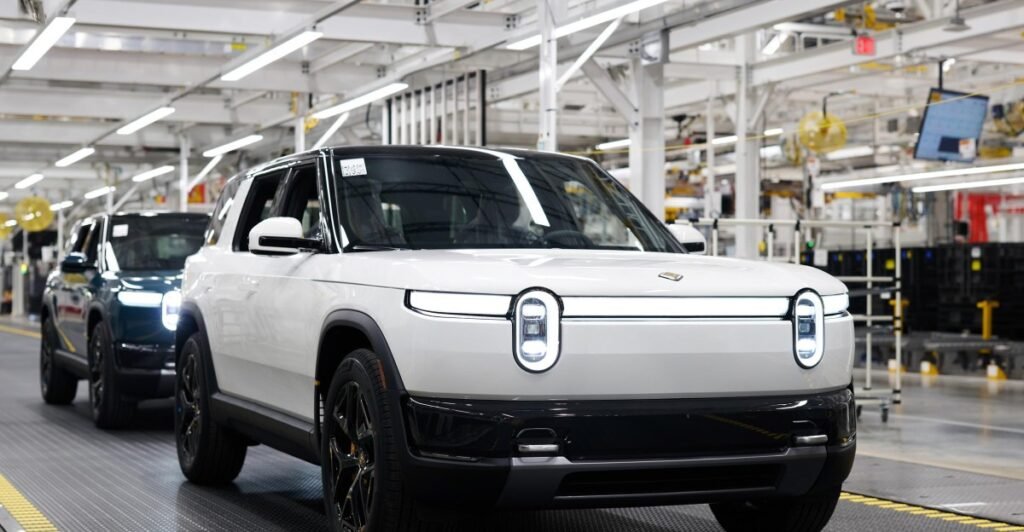
Rivian always planned for its all-important R2 vehicle to be less expensive than its pricey R1 predecessors, but also less polluting. The production process for the R2 would rely on more renewable energy, and the vehicle itself would feature more recycled and biodegradable materials than the models that came before it. With this and a few other tricks, Rivian set the target to achieve a 50 percent lifetime carbon reduction for the R2 by 2030.
Today, the company released its 2025 impact report outlining its sustainability progress for the year. The main takeaway is that over the entire lifespan — everything from production, driving, and eventually recycling — the R2 Performance generates only half the greenhouse gas emissions of Rivian’s original 2022 R1 vehicles. And it did it four years ahead of schedule.
Halving the lifecycle footprint of a flagship vehicle is relatively easy if the vehicle is a tiny, stripped down model or impractically expensive. The R2 is neither of those. It’s a mass-market SUV designed to appeal to the broadest section of customers. The fact that Rivian was able to deliver lower lifecycle carbon emissions on a vehicle like the R2 — and 58 percent lower lifetime emissions than a comparable gas-powered vehicle — is pretty impressive.
In a blog post about the report, Rivian attributes the accomplishment to a relentless focus on aerodynamics, weight, efficiency, and materials. The company went to some extreme lengths to ensure it wasn’t using your run-of-the-mill rubber and plastic for the R2.
For example, some of the surface material is made from “paper industry waste sourced from responsibly managed Nordic forests” — a sentence that may make more than a few eyes roll, but has resulted in fewer lifecycle emissions. The R2’s floor mats are made from 99 percent ocean waste. The frunk and trim are 85 percent post-consumer recycled material. The resin cell trays for the battery packs are 100 percent recycled. And so on.
Rivian’s climate progress stands out in an industry that has largely walked away from electric vehicles, as government-backed incentives have been rolled back and consumer interest has waned. Rivian expects to deliver approximately 70,000 vehicles in 2026 driven largely by the R2, which would represent a big jump from about 42,000 vehicles delivered last year.
Rivian also formally published its own AI guidelines as part of its impact report, emphasizing safety, fairness, data privacy, transparency, and quarterly oversight by an executive AI Governance Committee. The company affirmed its commitment to develop “AI systems that are ethical, emphasizing ‘doing the right thing,’ and promoting a sustainable future.” Rivian is making big moves in AI, developing robotaxis for Uber and planning to introduce an unsupervised, “eyes-off” autonomous driving system for consumers as early as next year.
You may be interested
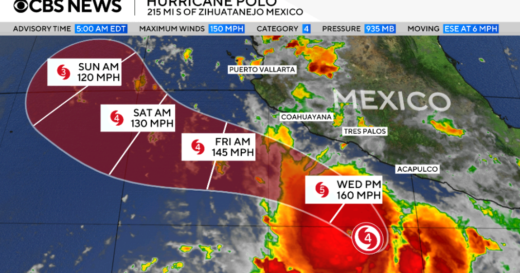
Hurricane Polo grows into Category 5 storm off Mexico, could produce life-threatening flooding
new admin - Sep 22, 2026Hurricane Polo rapidly intensified off the coast of southwestern Mexico on Tuesday, growing into a powerful Category 5 storm that…

Save $30 on Apple’s Magic Keyboard with Touch ID and a numpad
new admin - Sep 22, 2026Until the end of the day on September 22nd, 2026, Best Buy and Amazon have the black Apple Magic Keyboard…

Tupac Shakur Murder Trial Documentary Is in the Works
new admin - Sep 22, 2026[ad_1] The film will follow the trial of Duane “Keffe D” Davis, who was convicted in the 1996 death of…