



No Carrots and No Sticks?

Education Secretary Linda McMahon’s three-page letter on Monday raised more questions than it answered. Higher ed leaders are unsure about the sincerity of the secretary’s petition to higher ed leaders to “reaffirm their commitment to serving the American people.” Some are confused about which institutions it’s actually speaking to. Based on initial public statements from college presidents, it’s unclear if anyone will answer her call to action. And beneath the confusion is a more basic question: Does the American public read statements on websites?
The letter encourages higher ed leaders to publish “landmark declarations of purpose” on how they plan to revitalize their work in seven areas. The list combines the Trump administration’s political projects with real challenges facing the sector including merit in admissions; free speech; affordability and value; and prioritizing American interests. The secretary included questions for each topic that she would like institutions to address in statements they ultimately post on their websites.
Ted Mitchell, president and CEO of the American Council on Education told Inside Higher Ed’s news editor, Katherine Knott, that if the document is an invitation for the sector to have a conversation with the Trump administration, and nothing more, he’s all for it. “But it remains to be seen how this information will be used,” he said.
It’s reasonable for Mitchell to be skeptical. The letter’s predecessor, last fall’s Compact for Academic Excellence in Higher Education, was the administration’s first attempt to force reform on the sector. It promised signatories preferential treatment in the disbursement of research funding and threatened the funding of non-signers. The federal government’s ongoing attacks, threats and funding cuts targeting higher education give further credence to his caution.
But on the surface, McMahon’s new gambit carries no consequences. The administration consulted higher ed leaders before releasing the letter. One of them, Barbara Snyder, president of the Association of American Universities, told media outlets she strongly advised against using carrots and sticks. The department, it appears, listened.
Though the invitation may be no-stakes, nothing about this moment is optional. The administration has other ways of forcing reform. The letter asks institutions to tell the American public how they will ensure admissions decisions are based on merit, how their academic programs equip students to repay their loans and how their academic units will encourage pluralism. Meanwhile the Department of Justice continues to launch Office for Civil Rights investigations into college admissions, colleges are now on the hook for graduate earnings, and accreditors could soon tie access to federal student loans to an institution’s ability to maintain viewpoint diversity on campus. Consenting to the secretary’s letter might be voluntary, but compliance with federal law and fighting legal challenges from the DOJ isn’t.
The Secretary reminded presidents and boards that Americans’ trust in higher ed has reached a record low. Essential reforms are needed, she said, to regain public esteem and rebuild trust in American higher education. But the letter treats higher ed as a monolith. Many institutions don’t have selective admissions, campus protests or million-dollar research enterprises. David Baime, senior vice president for government relations at the American Association of Community Colleges, found the secretary’s letter confusing.
“Some items that McMahon is asking colleges to respond to simply are not relevant to community colleges or clearly are not widespread problem areas,” he said. As Inside Higher Ed’s reporting noted, federal data shows that about 40 percent of degree-granting institutions already have open admissions policies for their undergraduate programs. While trust in higher education is at its lowest, the institutions that have maintained the most confidence from the American public are community colleges.
There’s no doubt that the administration wants to see changes in the way selective research institutions operate. But the letter doesn’t account for the many institutions that are already doing the work it’s asking for, including many R1 institutions.
The secretary’s solution to the public trust problem —statements of principle posted prominently on institutional websites—is an unusual approach to a persistent problem. Higher ed is unlikely to mend its contract with the American public through statements on websites. Trust is rebuilt through greater affordability, transparent financial aid offers and stronger relationships with faculty. Communities want more engagement through volunteering or public forums on local issues. Local businesses need bright college graduates who stick around to work and support the local economy.
A charitable interpretation of the letter will see it as a genuine effort to close the divide between the American public and higher ed. A less generous view would say it’s more federal overreach that tramples on institutional independence. We’ll know by the end of the year if any institutions choose to participate, and what happens if they don’t.
You may be interested
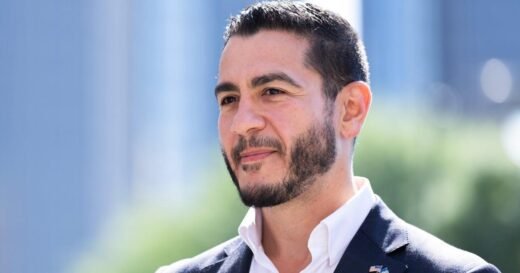
Republicans accuse Michigan’s El-Sayed of being “too extreme” after Senate primary win
new admin - Aug 06, 2026Republicans accuse Michigan's El-Sayed of being "too extreme" after Senate primary win - CBS News Watch CBS News Republicans are…

The messy politics behind Google’s big AI shakeup
new admin - Aug 06, 2026In the AI industry, Google prides itself on seeming like the adult in the room: quiet, stable, time-tested. On Wednesday,…

How to Shop Smart and Save Big at the Grocery, Pharmacy, More
new admin - Aug 06, 2026[ad_1] IE 11 is not supported. For an optimal experience visit our site on another browser.Now PlayingSmarter Grocery and Drugstore…