




MSE expert finally settles debate on whether to turn heating on to dry laundry

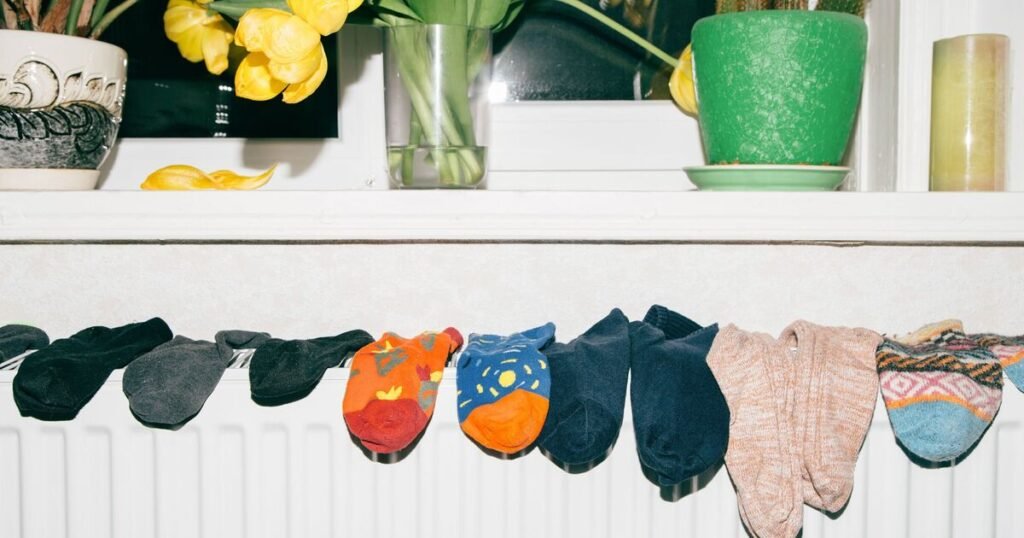

The answer is finally here (Image: Getty)
With households constantly flipping between “summer mode” and “winter mode”, everyday habits like turning the heating on and off to dry wet washing on radiators during rainy spells could be causing a lot of harm to your home.
One minute it’s 10°C, pouring with rain and the heating is back on, with soggy school uniforms and ttowels draped over radiators, while the next, temperatures soar and boilers are forgotten about completely – only to be fired up days later when another cold snap hits.
The trend is being driven in part by cost-conscious households trying to avoid running heating continuously during spring, instead of relying on brief periods of warmth when the weather turns. And many are making the problem worse without realising.
Drying washing on radiators during wet weather may seem harmless, but it forces boilers to work harder for longer while trapping moisture indoors, and increasing the risk of damp and condensation.
READ MORE: People are only just finding out the reason behind holes in clothes pegs
READ MORE: UK households with washer-dryers given ‘10 cycle’ warning

These habits could be crippling your boiler (Image: Getty)
They also say poor ventilation when drying laundry inside can contribute to mould growth around windows, walls and ceilings, as well as pushing up energy bills – especially if people forget to switch the heating off afterwards.
Martin Lewis’ Money Saving experts have advised heat isn’t really what your washing needs to dry faster – it’s ventilation.
Alex said: “Quite surprisingly, people used to wash and dry clothes before the invention of Gas Central heating. For example, in my parents’ small upper storey Council flat in the 1950’s and 60’s where only one room was heated… by a coal fire.
“Ventilation is the key; the landlord won’t thank you for damp, mouldy growth on walls, round windows or in cold corners caused by excess humidity, even if you don’t mind breathing mould spores!”
Another added: “I use a dehumidifier, put the clothes on an airer in the bathroom, put the leccy towel heater on and the humidifier and they dryer quickly. In the summer, just open the bathroom window but don’t dry the clothes in your living room or bedroom!”
Britain’s chaotic stop-start weather is putting boilers under pressure months before winter even arrives, heating experts BOXT warn. They say the unpredictable May weather is creating extra strain on home heating systems across the country.
They warn that constant stop-start use can lead to pressure problems, trapped air, sludge build-up and general wear and tear – issues many homeowners won’t notice until the heating is needed full time in winter.
Many households are also unknowingly adding to the strain by constantly tweaking thermostats as temperatures swing from warm to cold within hours.
Adam Knight, lead Gas Safe engineer at BOXT said: “A lot of people assume boilers only come under pressure in winter, but these stop-start weather patterns can actually be just as tough on heating systems.”
“We’re seeing households flick the heating on for an hour in the morning, turn it off during warmer afternoons, then fire it back up again when temperatures drop.
“Add in wet washing draped over radiators and boilers are suddenly working much harder than people realise.
“The problem is that many faults stay hidden and can build up through spring and summer, only becoming obvious when the heating is needed every day in winter.
“That’s when we tend to see the consequences of pressure issues, trapped air or sludge build-up that’s been developing unnoticed for months.”
Experts say spring and summer are the best time to spot potential problems before they turn into expensive winter breakdowns.
Common warning signs your boiler may be struggling include – radiators taking longer to heat up; Uneven heat around the house; Gurgling, banging or whistling noises; Boiler pressure dropping repeatedly; Heating switching itself off unexpectedly; Hot water temperatures fluctuating.
Catching these problems early could help households avoid costly emergency callouts during winter.
The experts advise not relying on radiators to dry clothes. Drying washing on radiators can overwork your heating system and trap moisture indoors. Instead, use a heated airer, a dehumidifier or run an extra spin cycle before hanging clothes up.
Check your boiler pressure now – not in October. Low boiler pressure is one of the most common issues engineers see after boilers sit unused then suddenly restart.
Most boilers should sit between 1 and 2 bar pressure. Likewise, book a boiler service before the winter rush. Summer and early autumn appointments are often easier – and cheaper – to secure than emergency winter callouts when temperatures plunge.
Bleed radiators before it gets cold. Cold patches or gurgling noises can be signs of trapped air, making your heating less efficient and forcing boilers to work harder.
Finally – don’t ignore strange noises. Banging, whistling or ‘kettling’ sounds could point to sludge build-up or circulation problems developing inside the system.
You may be interested

Anyone who bought or leased car or van from 2006-2015 could be due payout
new admin - Sep 30, 2026Martin Lewis has issued advice to millions of drivers who bought or leased a vehicle from 2006-2015. Source link

Nigella Lawson uses this £26 setting spray to give her skin a 'radiant finish'
new admin - Sep 30, 2026[ad_1] The Great British Bake Off judge has shared her secret to a glowing complexion. [ad_2] Source link

How Trump’s Pocket Rescissions Could Affect Higher Ed
new admin - Sep 30, 2026[ad_1] Advocates for international education warn that the Trump administration’s latest attempt to cut millions in federal funding could be…