



George Clooney, Tom Hanks, and Meryl Streep back new ‘Human Consent Standard’ for AI licensing

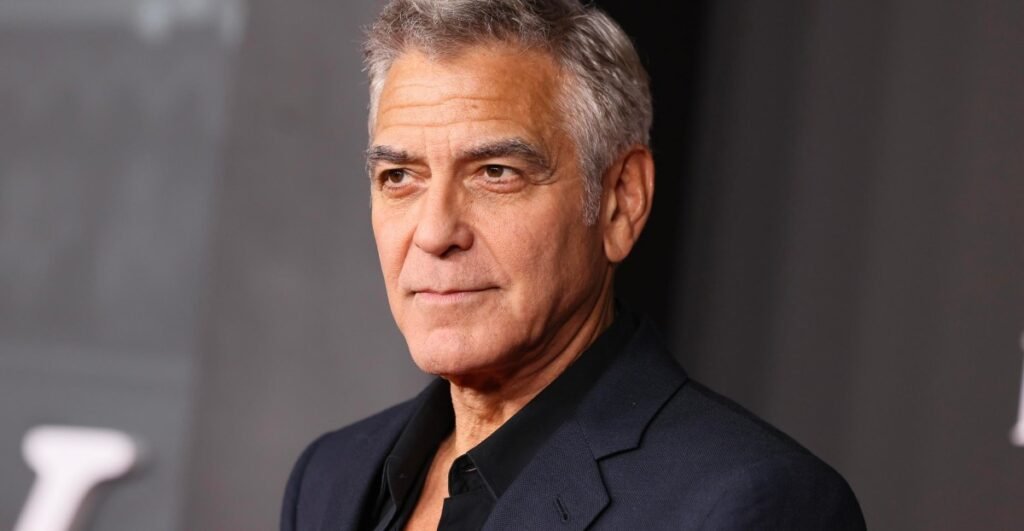
Hollywood actors and producers are standing behind a new AI licensing standard that will tell AI systems whether they’ll need to pay to use a person’s likeness, creative work, characters, and designs. With the Human Consent Standard, people can set terms for the use of their work or likeness, including giving AI systems full permission to use their content, allowing access with certain requirements, or restricting access entirely.
The Human Consent Standard builds upon the Really Simple Licensing (RSL) Standard, which launched last year as a way for websites to signal how AI systems use their work. RSL Media, a nonprofit cofounded by Cate Blanchett, is overseeing the Human Licensing Standard. The newly launched standard is backed by talent such as George Clooney, Viola Davis, Tom Hanks, Kristen Stewart, Steven Soderbergh, and Meryl Streep, along with organizations like the Creative Artists Agency and Music Artists Coalition.
In an email to The Verge, RSL Media cofounder Eckart Walther says that, similar to the RSL Standard, AI systems can discover the Human Consent Standard through a website’s robots.txt page, which tells web and AI crawlers whether they can scrape its content. But Walther says that while the “RSL usually applies to content at a specific URL,” the Human Consent Standard “applies to the underlying work, identity, character, or mark itself, wherever it appears.”
AI systems will check this declaration against a registry launching in June, which will allow people to verify their identity and set permissions for the usage of their likeness and creative works. From there, RSL Media will “translate” these terms into signals that AI systems can read. “The purpose of the Registry is to give people and rights holders a trusted place to publish those declarations, so responsible AI systems can check whether a work, likeness, voice, character, or brand is allowed, prohibited, or requires permission,” Walther says.
Some artists and actors have already taken steps to combat the unauthorized use of their likenesses. Matthew McConaughey trademarked clips of himself, while Taylor Swift applied for a trademark of a photo of herself and two soundbites, where she says, “Hey, it’s Taylor” and “Hey, it’s Taylor Swift.”
With the launch of RSL Media, everyone can attempt to set permissions for their work. “RSL Media is a simple, effective and free solutions-based technology for facilitating and activating consent,” Blanchett says in the press release. “It’s also the industry’s first practical solution where people everywhere, not just public figures, can assert control over how their work is used by AI.”
You may be interested
Cyclospora triggers a trust crisis for Taco Bell, Taylor Farms
new admin - Jul 24, 2026[ad_1] Health and Human Services Secretary Robert F. Kennedy Jr. said this week that the cyclospora outbreak is “under control.”…
NCAA D1 Board Has No plans To Change Age-Based Eligibility Rule
new admin - Jul 24, 2026[ad_1] NEWYou can now listen to Fox News articles! The NCAA Division I Board of Directors doubled down Thursday on…

Pentagon website “anomalies” that removed names of 4 killed in Iran war remain
new admin - Jul 24, 2026The Pentagon website that informs the public about the dead and wounded in different military conflicts removed four deaths from…