



Which debts are forgiven when someone dies?

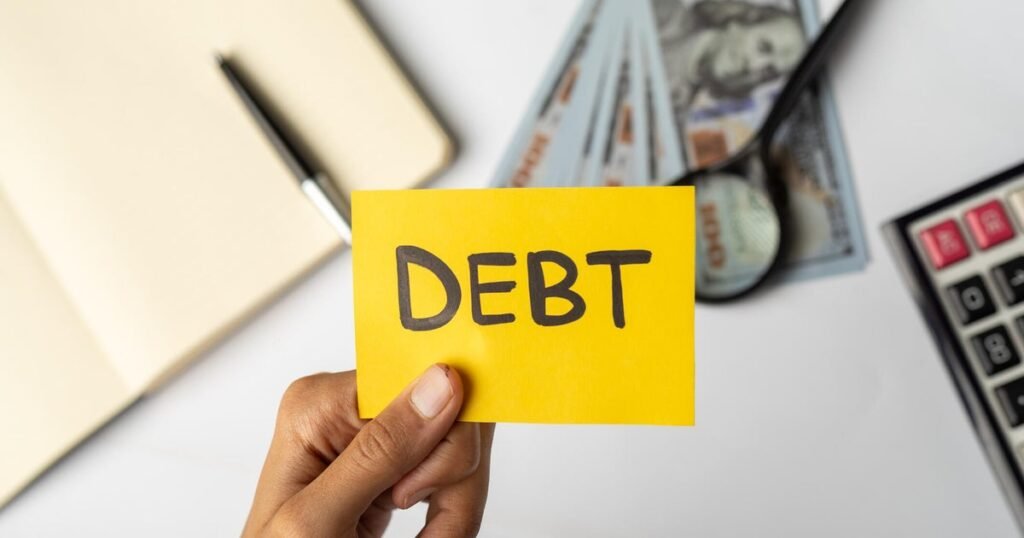
Muhammad Aqib/Getty Images 
The transfer of assets after a family member dies is often top of mind for their loved ones, especially when a home, retirement accounts or savings are involved. But the liabilities that remain after a death can be just as important. In many cases, a person’s financial obligations don’t simply vanish when they die, creating widespread uncertainty for the surviving relatives, who may already be dealing with any number of emotional and logistical challenges.
That’s become an increasingly relevant concern in today’s economy. Right now, household debt is at a record high, and many older Americans are carrying high-rate credit card balances, personal loans, and other debt well into retirement. As a result, questions about what happens to a person’s debt after death are becoming more common, particularly among adult children, spouses and estate executors tasked with settling financial affairs.
The answer, however, isn’t always straightforward. Some debts are extinguished upon death, while others may be paid from the deceased’s estate. So, which types of debts are actually forgiven after a person dies? That’s what we’ll examine below.
Learn how the right debt relief strategy could help you now.
Which debts are forgiven when someone dies?
It’s important to understand that debt generally belongs to the borrower, not their relatives. When someone dies, creditors typically seek repayment from the deceased person’s estate, but if it lacks sufficient funds to cover all obligations, some debts may go unpaid and ultimately be discharged. That said, not all debts are forgiven after a person dies. Here are some of the most common types of debt that may be forgiven or discharged in this situation:
Unsecured credit card debt
Credit card debt is one of the most commonly forgiven obligations after death. Because these accounts are unsecured, creditors cannot automatically pursue family members for repayment. The card issuer generally has to file a claim against the estate instead. If the estate has enough assets, the debt may be paid during probate. If not, the remaining balance is generally written off.
There are important exceptions to that rule, however. While credit cards are rarely a joint borrowing tool, there are cases in which this happens, and the surviving joint account holder remains responsible for the debt. Spouses in community property states may also have some liability for remaining credit card debt.
Learn more about the debt relief help you could qualify for today.
Personal loans without a co-signer
Many personal loans are unsecured, meaning that there are no assets securing the loan if the debt goes unpaid. And, family members who did not sign the loan are generally not personally responsible for repayment. As a result, if a borrower dies with an unsecured personal loan and there is no co-signer, the lender typically must seek repayment through the estate. If the estate assets are insufficient, any remaining loan balance may be discharged.
Certain private student loans
Federal student loans are discharged when the borrower dies, meaning the remaining balance is forgiven upon proof of death. Some private student lenders also offer death-discharge provisions, though policies vary by lender and loan agreement. In cases where no co-signer exists and the estate lacks sufficient assets, private student loan balances may also go unpaid.
Medical debt with no estate assets
Medical bills often become a concern after death, particularly if a lengthy illness preceded it. Surviving relatives are generally not responsible for these bills, though, unless they agreed to assume responsibility or state laws create specific obligations. Healthcare providers can seek payment from the estate for these unpaid balances. However, if estate assets are exhausted or nonexistent, the unpaid medical debt may ultimately go uncollected.
Deficiency balances after asset liquidation
In some situations, secured debts will leave behind a remaining balance even after collateral is sold. For example, if a vehicle is repossessed after death and sold for less than the amount owed, the lender may seek the deficiency balance from the estate. If estate assets are unavailable, though, that remaining debt may effectively be forgiven.
Why you should deal with debt before your estate has to
While some debts technically die with you, they can still cost your family, and every dollar a creditor pulls from your estate is a dollar your heirs don’t inherit. A sizable balance can force the sale of a home, drain a savings account or tie your loved ones up in months of probate paperwork and collection calls while they’re already grieving. That’s why chipping away at high-rate debt now is often the most effective estate planning. Shrinking balances now reduces what creditors can claim later and frees up your own cash flow in the meantime. Here are a few debt relief paths worth weighing:
- Debt management plans, which are offered through credit counseling agencies, can lower your interest rates and fees and consolidate multiple payments into one.
- Debt settlement, often handled through a debt relief company, aims to settle what you owe for less than the full balance, decreasing your obligation by 30% to 50% on average.
- Debt consolidation or balance transfers can simplify repayment and cut interest charges if you qualify.
- Filing for bankruptcy remains a last resort, but it can discharge qualifying unsecured debt entirely in the right circumstances.
The bottom line
Death does forgive some debt — federal student loans are almost always discharged, and unsecured balances like credit cards and medical bills are when the estate can’t cover them. Not all debts are wiped clean after death, though. Secured loans will cling to their collateral, co-signed and joint debts follow the people who share them and creditors get first claim on what you leave behind. So, the most reliable way to protect the people you care about isn’t counting on death to wipe the debt slate clean — it’s shrinking what you owe now, while you still have multiple options to do so.
You may be interested

Apple’s OLED iPad Mini upgrade is on the way as prices continue to rise
new admin - Jul 16, 2026The iPad Mini could get an OLED display upgrade as soon as October, according to Bloomberg’s Mark Gurman. It would…

Homeowner livid after neighbour sneaks into garden to use tap | UK | News
new admin - Jul 16, 2026When you move into a new area, you always wonder how close you'd get with your neighbours. You might become…

Ghostface Killah, De La Soul, Fat Joe Perform at Knicks-Centric ESPYs
new admin - Jul 16, 2026[ad_1] Slick Rick also takes the stage as ESPN's annual award show celebrates New York's NBA title The annual ESPYs…