

What to know about Trump’s Iran blockade and the Strait of Hormuz

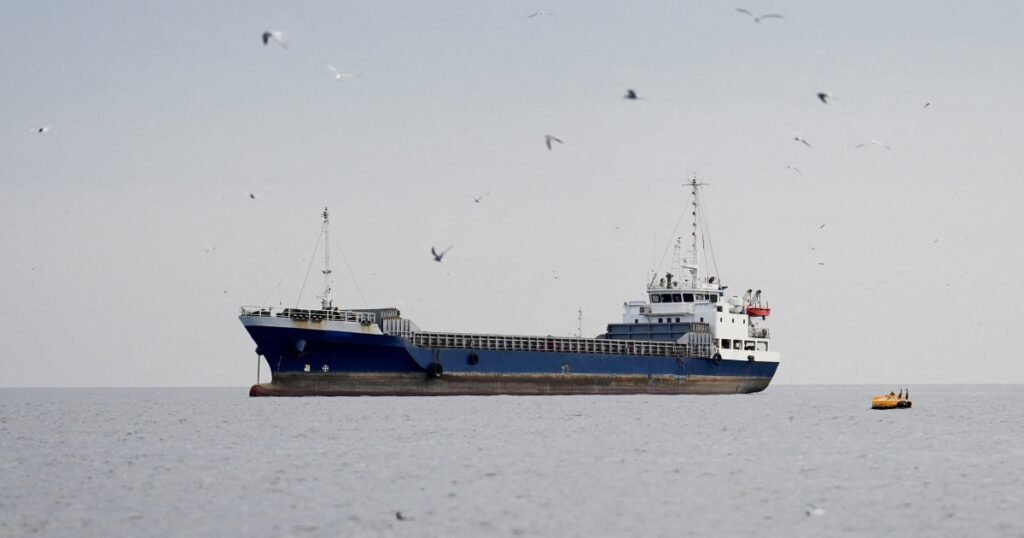
The U.S. began mine-clearing efforts over the weekend. The commander of CENTCOM, Adm. Brad Cooper, said U.S. forces would begin the “process of establishing a new passage” that would be shared “with the maritime industry soon to encourage the free flow of commerce.”
The U.S. moves come after Iran’s own blockade of the strait not only sent energy prices up, but also increased the price of fertilizer and threatened the economies of countries worldwide.
Tehran has repeatedly ignored Trump’s demands that it reopen the waterway, and instead began charging some ships millions of dollar to transit Hormuz.

FORSUBSCRIBERS

Strait of Hormuz sailor makes long journey home
02:08
CENTCOM said it would reveal more information on its plans to commercial mariners through a formal notice before the blockade started Monday.
Iran’s Revolutionary Guard, meanwhile, warned that any military vessels attempting to approach Hormuz would be considered in violation of the ceasefire deal agreed to between Washington and Tehran and would receive a firm response.
Iran’s armed forces said the blockade amounted to “piracy.”
Risks and rewards
Enforcing the U.S. blockade will be a complicated, “high-risk” and legally contentious endeavor, said Andreas Krieg, a senior lecturer at King’s College London’s School of Security Studies.

“Practically, this would look less like a clean historical blockade and more like a messy, high-risk interdiction regime,” he said.
The U.S., he said, would need to identify, track, hail, divert and maybe even board vessels linked to Iranian ports, all while “operating in one of the most crowded and politically sensitive waterways in the world.”
By early Monday, hours before the blockade was set to come into effect, ships appeared to be largely steering clear of the strait, with significantly fewer ships in the area compared to the day prior, real-time and historic vessel tracking provided by Kpler showed.
Outside of ships proactively avoiding the strait, Krieg said, enforcement would likely rely on a mix of naval patrols, surveillance, maritime warnings, allied intelligence and selective interdiction. He said that could even involve the boarding of ships, as was seen in Venezuela.
“Bandwidth” could become a real issue for the U.S., while mine-clearing efforts could put American ships at risk, he said.
You may be interested

Dog trainer urges pet owners to ‘get up earlier’ if they live in flat
new admin - May 24, 2026He offered advice to those with dogs living in flats (Stock Image) (Image: Getty)A dog trainer has urged people not…

‘Masterpiece’ gangster film ‘as good as’ The Godfather now streaming | Films | Entertainment
new admin - May 24, 2026A gangster film hailed as a "masterpiece" has been put on a level with The Godfather by movie fans. The…

The new £500m resort with 18 water slides – ‘UK’s biggest attraction’
new admin - May 24, 2026Construction work on a massive £500m spa and wellbeing resort has begun in Manchester (Image: Therme Manchester)Therme Manchester wellbeing resort…