

Weight Gain During Pregnancy | Maternal Infant Health

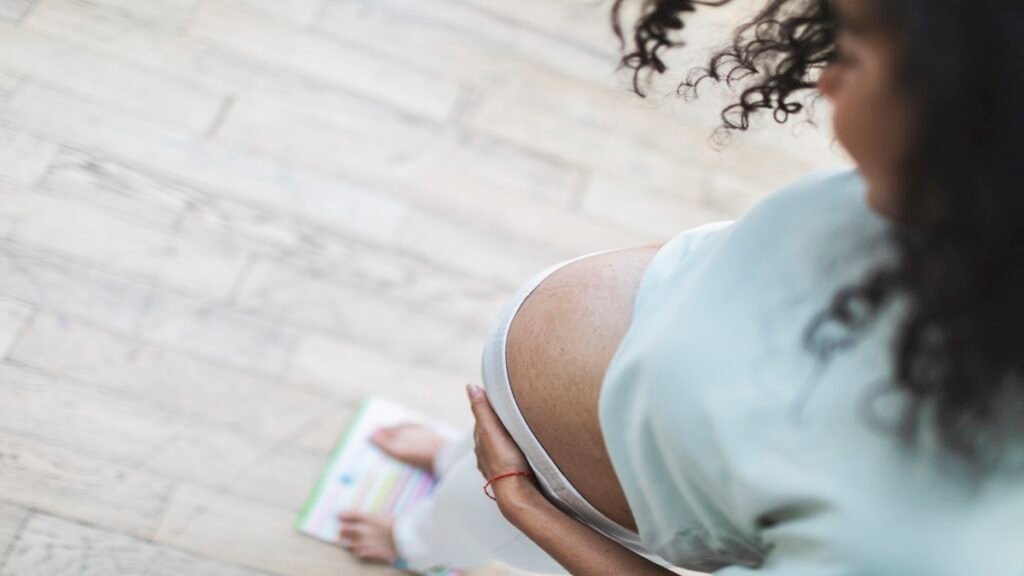
Pregnancy weight gain recommendations
How much weight you should gain during pregnancy is based on your body mass index (BMI) before pregnancy. BMI is an indicator of body fat calculated from weight and height.
Weight gain recommendations for women pregnant with one baby
Weight gain recommendations for women pregnant with twins
For more information, visit Healthy Weight Gain During Pregnancy from the Institute of Medicine. If you’re pregnant with triplets or more, talk to your health care provider about your weight gain goals.
*All recommendations are from the Institute of Medicine, with the exception of underweight women with twins.1
Weight gain below, within, and above recommendations
A previous study found that only about 1 in 3 women gained the recommended amount of weight during pregnancy. About 1 in 5 women gained below pregnancy weight gain recommendations and 1 in 2 gained above recommendations.
Steps to meet pregnancy weight gain recommendations
Know your caloric needs. In general, the first trimester does not require any extra calories. Typically, add about 340 additional daily calories during the second trimester and about 450 additional daily calories during the third trimester.
Work with your health care provider on your weight gain goals. Track your pregnancy weight gain at the beginning and regularly throughout pregnancy. Compare your progress to recommended healthy pregnancy weight gain ranges.
Eat a balanced diet high in whole grains, vegetables, fruits, low fat dairy, and lean protein. Use the MyPlate plan to see the daily food group targets that are right for you at your stage of pregnancy. Limit added sugars and solid fats found in soft drinks, desserts, fried foods, whole milk, and fatty meats. Most foods are safe to eat during pregnancy, but you will need to use caution with or avoid certain foods. Talk with your health care provider and visit Safer Food Choices for food safety information.
Work up to or maintain at least 150 minutes of moderate intensity aerobic activity (such as brisk walking) per week. 150 minutes may sound overwhelming, but you can break up your daily physical activity into smaller chunks of time. Physical activity is healthy and safe for most pregnant women. Talk to your health care provider about any physical activity restrictions. Learn more at Healthy Pregnant or Postpartum Women or visit the Move Your Way® campaign.
You may be interested

8/15: CBS Weekend News – CBS News
new admin - Aug 16, 20268/15: CBS Weekend News - CBS News Watch CBS News Hurricane Lala stalks Hawaii; Indiana requests aid as Midwest floods…

Hawaii governor calls state of emergency as hurricane Lala expected to pummel Big Island
new admin - Aug 16, 2026Hawaii governor calls state of emergency as hurricane Lala expected to pummel Big Island - CBS News Watch CBS News…

Laptops become a university must-have as students ditch paper notes
new admin - Aug 16, 2026The university student essentials have evolved from survival basics to lifestyle statements within 30 years. Source link