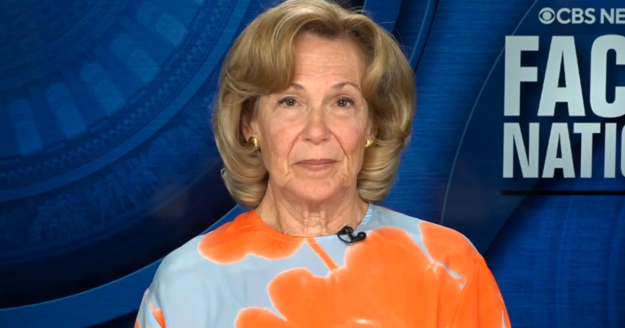



Transcript: Dr. Deborah Birx on “Face the Nation with Margaret Brennan,” May 24, 2026

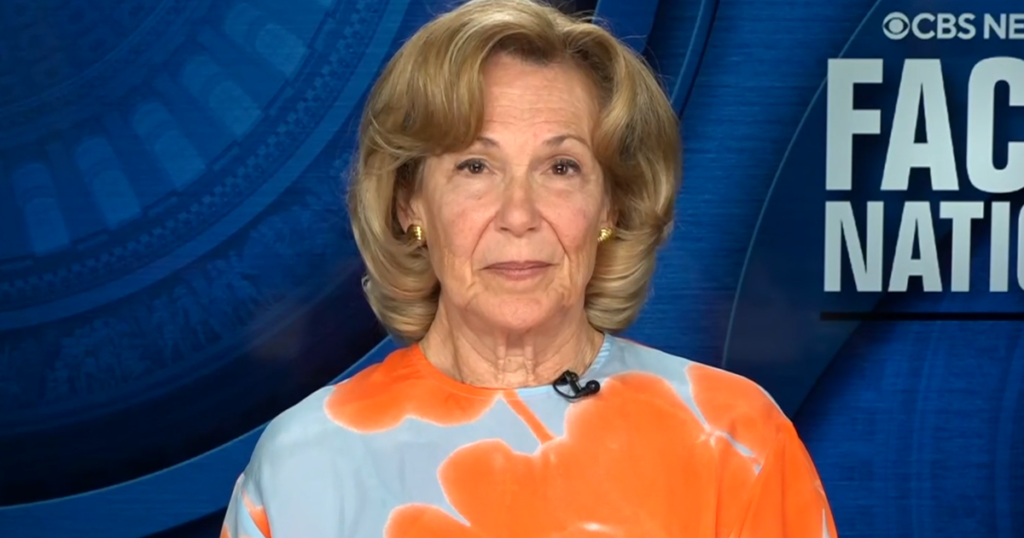
The following is the transcript of the interview with Dr. Deborah Birx that aired on “Face the Nation with Margaret Brennan” on May 24, 2026.
NANCY CORDES: We turn now to the escalating Ebola outbreak in the Democratic Republic of the Congo. Joining us to discuss is the former White House coronavirus response coordinator, Dr. Deborah Birx, who also previously helped coordinate the international response to the 2014 Ebola outbreak when she was Global AIDS Coordinator. Dr. Birx, thank you so much for being with us.
DR. DEBORAH BIRX: Good to be with you, Nancy.
NANCY CORDES : Dr., The White House, the WHO rather, says there are now almost 750 suspected cases in the Congo, around the Congo, and nearly 200 deaths. How does the severity of this situation compare to previous outbreaks?
DR. DEBORAH BIRX: Well, the problem with this particular outbreak is there was probably two, three, or four cycles of infection before it was even reported, and so a lot of the numbers you’re seeing, and the rapid rise of the numbers, is because it went undetected and underreported for probably three or four weeks. That resulted in a lot of case reporting all at once, and so I can’t really tell you what the slope of new cases are, which is really the important thing when you’re following an acute infectious disease, but just to make it very clear to your audience, the people we are seeing today that are cases were probably infected two weeks ago. And so I think that’s what makes us all concerned, is we’re looking at this at this virus and this outbreak with really old data.
NANCY CORDES : I want to get to that delay in reporting the outbreak in a moment, but first we saw this week that a plane from Paris to Detroit had to be diverted to Montreal after a person from the Congo was mistakenly allowed to board. What do Americans need to know about the transition of this disease and the risk here at home? I think people are worried.
DR. DEBORAH BIRX: Well when you see this level of outbreak, ever since COVID, I can understand why people are worried. But remember DRC has had 17 or 18 of these outbreaks in the last 20, 30 years, so this is actually fairly commonplace, although this is a large one. I think we learned from COVID how to be much more proactive about preventing the virus getting to the country ever since we had those cases almost a decade ago. What we did is we really strengthened hospitals. Now we have bio container facilities in multiple hospitals, so we’re prepared if it ever happens or someone enters the country. But it’s important that we are proactive, like they have been. And when you have a travel ban, you have to really enforce it. And what’s what they did when they diverted the plane.
NANCY CORDES: Is this travel ban the right answer? People from the Congo—
DR. DEBORAH BIRX: The travel ban— (CROSSTALK)
NANCY CORDES: A couple other countries not being able to come into the US, even green card holders, if they’ve been in that area over the past 21 days or so?
DR. DEBORAH BIRX: You know, I, it’s part of a comprehensive response, which it is, and I don’t think it’s getting that much coverage, but within four days the US sent a DART team. A lot of the USAID people who are no longer in the USAID building are now in the State Department and have been part of Ebola responses, the 2014 and 2018 response. They’re already on the ground. There’s a CDC group that was in Kinshasa, is permanently in Kinshasa, they’re responding, and so when it’s part of a comprehensive funding response, yes, not as an only one solution.
NANCY CORDES: As you know, in the past year and a half, the Trump administration has largely dismantled USAID, it has withdrawn from the World Health Organization, it cut funding to the Congo and Uganda. Do you think that those moves contributed to the delay in reporting this outbreak, and are they contributing to the lack of supplies in dealing with the outbreak in the Congo?
DR. DEBORAH BIRX: Well, when I look what the administration has done recently, I think they put 50 or 100 million dollars out there immediately, and sent people that’s part of the response. I think the bigger question to me is a lot of us in the global community invested extensively in creating the African CDC for this very reason, for this very response. Hundreds of millions of dollars went into building laboratory capacity in the DRC at the African CDC, and for some reason that failed us. And so what we need to do is figure out why didn’t we detect this earlier, why didn’t the institutions that we all stood up as a global community effectively control this outbreak early, so that it didn’t spread as far and wide as it has within the DRC. I understand it’s a conflict area, but we have to do better. We owe it to the people in the DRC.
NANCY CORDES: I hear what you’re saying about the fact that the money is now flowing from the US to the region, but we talked to aid workers in the region as well, who said that a lot of local programs were terminated after US aid was dismantled—programs aimed at Ebola preparedness and response, and so they just don’t have the same capacity as they did before.
DR. DEBORAH BIRX: I think it’s a great question, and we need to really look at that. I know CDC’s global health security program was retained, and a lot of that funding retained. I know we had people in Kinshasa as part of the CDC. If you look at the Uganda funding—now I’m looking at it from the HIV side, which really built a lot of the laboratory capacity—this year they’re getting over $400 million so maybe there was a 5% cut, but I think the American people were thinking that these programs had been slashed. If you look at the MOUs of the agreements that the US government have been made, I’ve actually been reassured by the numbers that are there on paper.
NANCY CORDES: The US right now does not have a confirmed head of the CDC, it does not have a confirmed head of the FDA, doesn’t have a confirmed Surgeon General. Is the US prepared to deal with an outbreak of Ebola or any other infectious infectious disease, if it comes to our shores.
DR. DEBORAH BIRX: I think it’s a great question, and watching how this plays out will be very important. And I’m watching that. They’ve already created an interagency Ebola response task force, and just to reassure the American public, I was in the federal government for 40 plus years and in the military for 29, there’s a deep bench. And so, yes, it’s important to have the leads of all of these agencies. I think people have been nominated to at least the CDC, so I think that’s very important. But we do have a deep bench in many of these agencies, and I really, I know them, they’re great people. I think this interagency response is already putting assets, people, and money on the ground, and I think what we do need, I just keep coming back to African CDC, because that was supposed to be our early mobilizer of protective gear, of testing, of community work, and we just need to figure out how to strengthen that even further.
NANCY CORDES: Got it. Dr. Deborah Birx, thanks so much for being with us. Thanks for the context, we appreciate it. And we’ll be back in a moment.
You may be interested

Katherine Legge Double Tracker: Veteran Racer’s Indy 500 Ends Early In A Wreck
new admin - May 24, 2026[ad_1] NEWYou can now listen to Fox News articles! Indianapolis Motor Speedway (Speedway, Ind.) — Katherine Legge is making history…
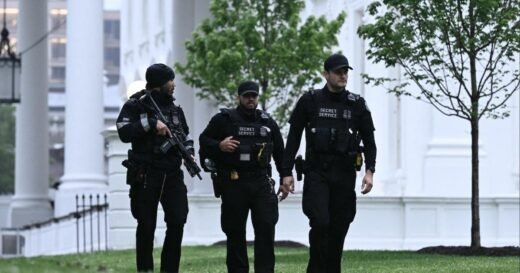
Gunman killed by Secret Service after opening fire outside of White House, officials say
new admin - May 24, 2026A gunman was killed after opening fire at a Secret Service checkpoint outside the White House on Saturday night, officials…

Caitlin Clark tells Indy 500 drivers to start their cars as grand marshal
new admin - May 24, 2026[ad_1] NEWYou can now listen to Fox News articles! Indiana Fever star Caitlin Clark served as the grand marshal for…