




Spending at bars is on the rise, while retail alcohol sales are falling

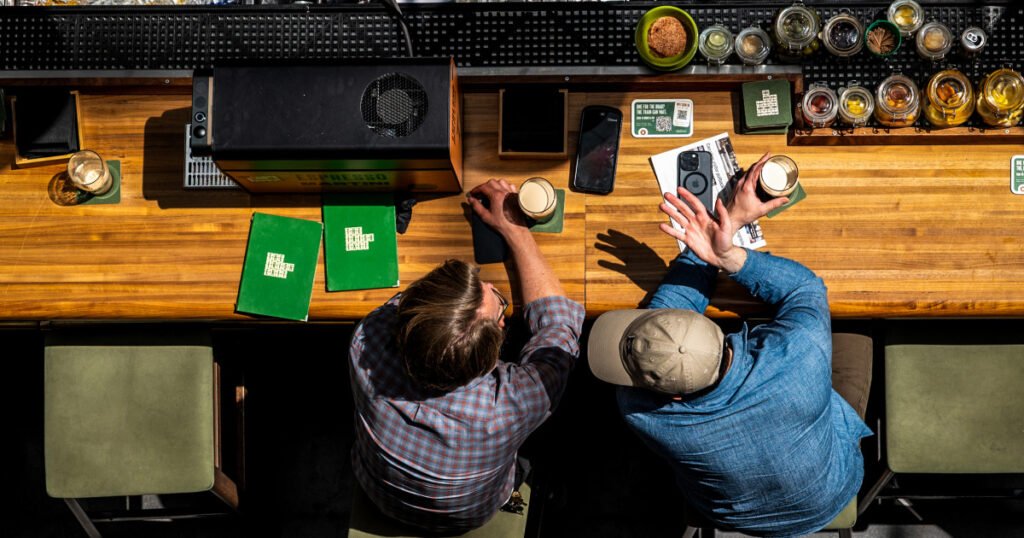
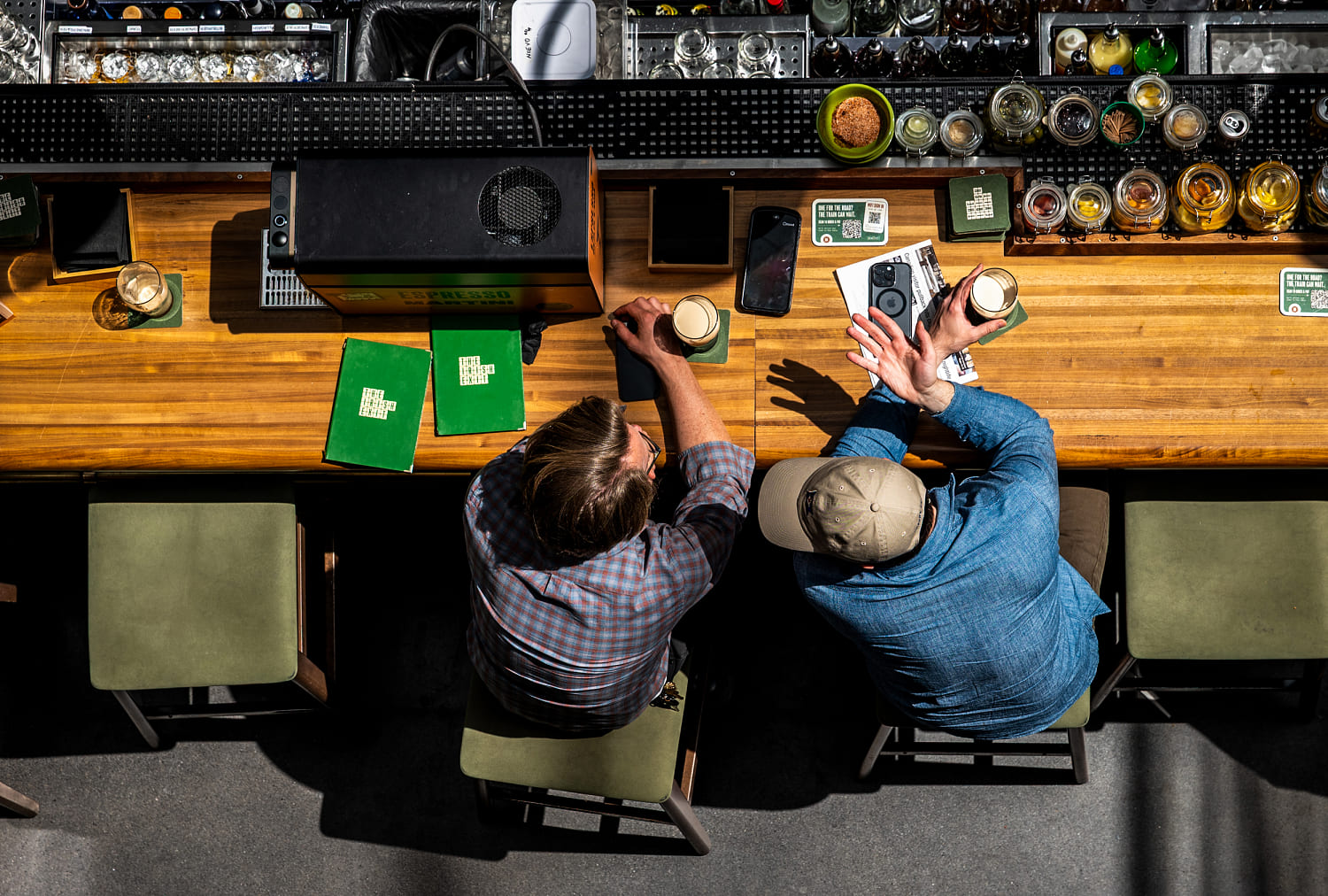
In the battle of bars vs. liquor stores, the bars appear to be winning.
New data released this week by Bank of America found that drinking at bars is on the rise even as alcohol consumption is on the decline.
Alcohol spending as a share of overall expenditures sits around a roughly 40-year low, according to the Bureau of Labor Statistics.
Average spending at retail liquor, wine and beer shops continues to fall. On average, spending on alcohol to drink at home dropped by an average of 5% in 2025, according to the bank’s data.
It’s a meaningful drop in a large and relatively stable consumer category. Beer, wine and liquor stores consistently generate billions of dollars per month in revenue, according to the Federal Reserve Bank of St. Louis.
On the other side of the fight for cocktail-loving customers are bars. They saw a 4% increase in consumer spending in 2025, according to the bank.
The disparity between liquor stores and bars has implications for the food and beverage industry; U.S. beer, wine and liquor producers; and society as a whole. Bars are finding new ways to entice customers with expanded menu offerings and more options like mocktails or alcohol-free versions of familiar favorites such as popular wines and beers.
According to a report by the restaurant tech platform TouchBistro, 27% of surveyed restaurants said they planned to add more nonalcoholic drink options to their menus in 2025.
The drop in spending at stores that sell liquor, beer and wine comes at an especially difficult moment for many of the companies that make these products.
New data this month from the U.S. Census Bureau revealed that exports of American beer, wine and liquor plummeted last year after they were the target of boycotts launched to protest President Donald Trump’s sweeping global tariffs.
U.S. wine exports globally fell by roughly 33% from 2024 levels, the data showed. And sales to Canada — the largest overseas market for American wines — were down 77%.
Liquor and beer are not faring any better.
Molson Coors said earlier this month that it expects earnings this year to fall by as much as 15%. The maker of Blue Moon and Coors Light said it faced lower demand from consumers in addition to higher production costs.
Meanwhile, Heineken said earlier this month that it will cut up to 6,000 jobs from its global footprint this year, and it expects profit growth to fall.
The country’s largest bourbon producer, Jim Beam, also recently announced it was halting production at its flagship distillery in Kentucky for the year. It’s a major setback for the 230-year-old bourbon maker and could signal that there is worse to come for U.S. distillers.
This broader shift in behavior is being driven by younger generations, according to Bank of America data, with analysts suggesting the desire for socialization could be at the center of it.
The bank said Gen Z is leading this change — spending more of their earnings on healthy activities and less on alcohol.
But whether alcohol actually benefits people by facilitating social interactions is the topic of a heated national debate. Dr. Mehmet Oz said during a White House briefing on Jan. 7 that alcohol is “a social lubricant that brings people together.” The physician and longtime daytime talk show host serves as the administrator for the Centers for Medicare and Medicaid Services in the Trump administration.
He made the remarks following the release of updated national dietary guidelines, which removed long-standing advice that put a concrete limit on daily alcohol intake. Instead of recommending no more than one drink for women and two for men, the updated guidance is that Americans should simply drink “less alcohol for better overall health.”
“In the best-case scenario, I don’t think you should drink alcohol, but it does allow people an excuse to bond and socialize, and there’s probably nothing healthier than having a good time with friends in a safe way,” Oz said at the White House.
However, online backlash was swift. The internet quickly erupted with outrage and criticism, as social influencers and experts alike argued that the guidance is irresponsible.
Many sober advocates posted videos about the risks of the excessive use of alcohol as well as addiction, while others highlighted alternative ways to socialize that don’t revolve around drinking.
You may be interested

This week on “Sunday Morning” (March 1)
new admin - Feb 27, 2026The Emmy Award-winning "CBS News Sunday Morning" is broadcast on CBS Sundays beginning at 9:00 a.m. ET. "Sunday Morning" also streams…

The Fire TV Stick 4K Plus gets a better off
new admin - Feb 27, 2026When Amazon first showed off its redesigned Fire TV OS at CES, we were impressed. It’s faster, better organized, and…
Best New Music: BigXthaPlug, Mitski, Bruno Mars
new admin - Feb 27, 2026[ad_1] Welcome to our weekly rundown of the best new music — featuring big singles, key tracks from our favorite…