




Should scientists be allowed to edit animals’ genes? Yes, say some conservation groups

“The science is here, it’s happening,” said Susan Lieberman, vice president of international policy with the Wildlife Conservation Society. “Maybe there are times when genetically modified organisms can be tested and cautiously and ethically introduced into the environment.”
She said that the new framework represents a “landmark step,” and that the measure could allow conservationists to consider new ways to address the risks of climate change or test new methods of suppressing disease.
The IUCN — a large group of conservation organizations, governments and Indigenous groups with more than 1,400 members from about 160 countries — meets once every four years. It is the world’s largest network of environmental groups and the authority behind the red list, which tracks threatened species and global biodiversity.
This year’s meeting was in Abu Dhabi, and the affirmative vote on what’s known as “synthetic biology” establishes a new framework for evaluating genetic engineering projects and potentially implementing them in the wild. The measure calls for scientists to evaluate such projects on a case-by-case basis, be transparent about risks and benefits of potential actions and take a precautionary approach to genetic engineering, among other principles. The decision is applicable to work on a range of organisms, including animals, plants, yeasts and bacteria.
A separate measure, a proposed moratorium on releasing genetically modified organisms into the environment, failed by a single vote.
The IUCN’s decisions don’t have legal implications, but the approval carries a symbolic weight and has the potential to drive policy internationally, said Jessica Owley, a professor and environment law program director at the University of Miami.
“IUCN is a pretty powerful and recognized force in conservation. People listen to them and governments listen to them. They’re major players in some treaties,” she said. “You can think of it as a precursor to language that you might see become law.”
Organizations that had wanted a moratorium on releasing genetically engineered organisms into the wild say there isn’t enough evidence that it can be done safely and responsibly.
“I’m disappointed,” said Dana Perls, a senior food and agriculture program manager with the nonprofit Friends of the Earth. “We need to focus on contained research that doesn’t make our environment a live experimental field trial.”
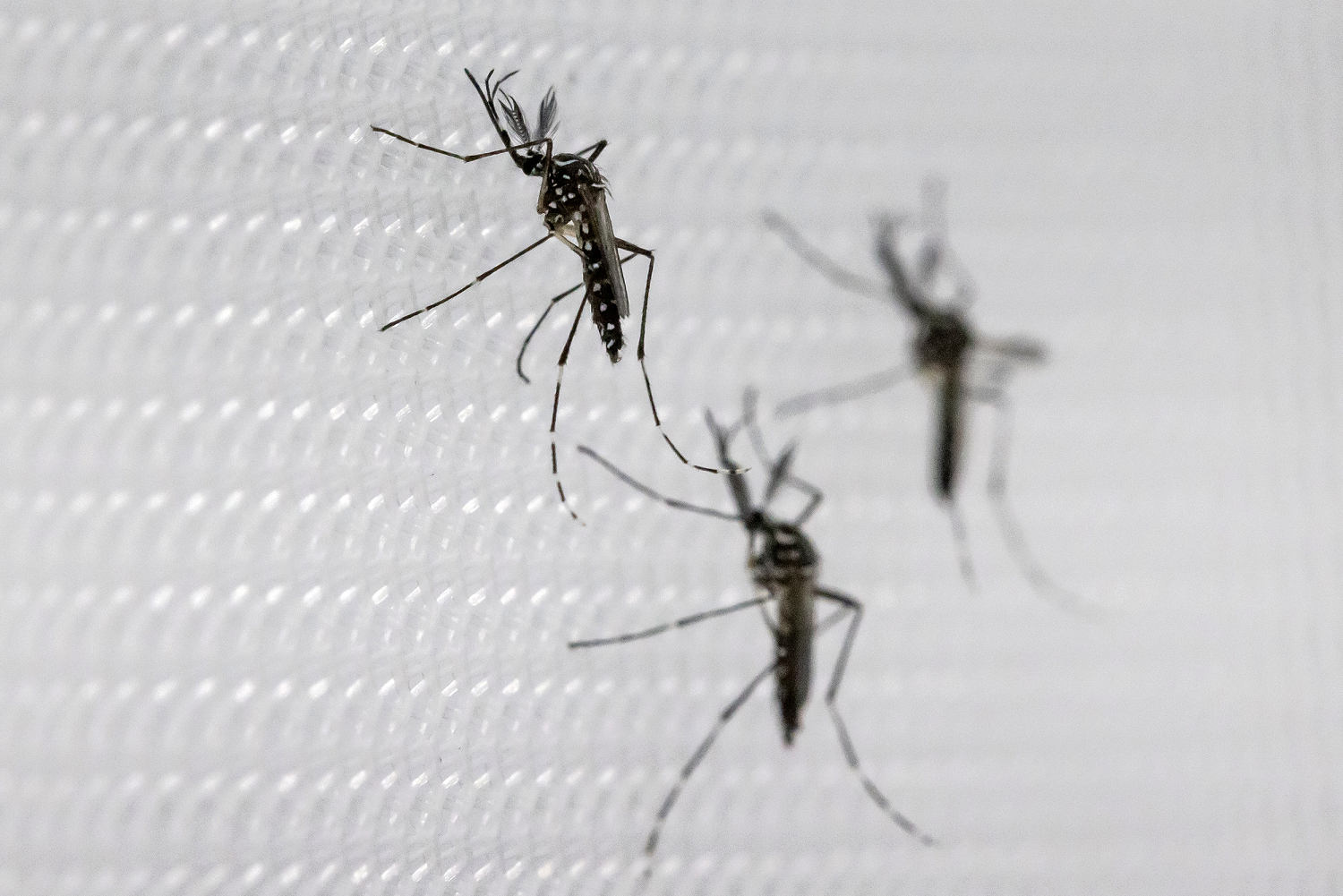
As an example, she pointed to the possibility of genetically modifying mosquitoes so that they can resist the parasites that cause malaria. The disease kills more than half a million people each year, so in order to lower that death toll, scientists have proposed pushing this resistance to malaria to become widespread into the broader mosquito population — a practice called genetic drive.
You may be interested

Ukraine says it won't stop attacking Russian oil resources amid diesel fuel deal with U.S.
new admin - Oct 11, 2026President Trump is arguing that Ukraine needs a new president as Volodymyr Zelenskyy refuses to halt strikes on Russian oil…

Federal judge halts government from deporting man shot by ICE in NYC
new admin - Oct 11, 2026A federal judge in New York has ruled to stop the government from deporting a man shot by ICE agents…

Hurricane Simon strengthens into Category 4 storm as it takes aim at Mexico’s Pacific coast
new admin - Oct 11, 2026Simon has strengthened into a powerful Category 4 hurricane as it barrels toward Mexico's Pacific coast.The National Hurricane Center in…