




Screening for Type 1 Diabetes | Diabetes

Who should be offered screening?
People with a family member who has type 1 diabetes are 15 times more likely to develop type 1 than the general population and should be offered screening. It’s important to note, though, that most who develop type 1 don’t have a family member with the condition. People with another autoimmune disease or a family history of autoimmune disease may also be offered screening. Screening can begin at 2 years old.
Why get screened?
Type 1 diabetes is often an emergency diagnosis. A person likely doesn’t know they have type 1 diabetes until a serious complication happens, such as diabetic ketoacidosis (DKA). DKA is a medical emergency and can be life threatening if untreated. In the United States, 30% to 40% of children have DKA when they are first diagnosed with type 1 diabetes. And DKA can happen at any age; in 2021, 62% of type 1 diabetes diagnoses were in people over age 20.
Though symptoms can appear suddenly, type 1 diabetes develops in stages over months or years and starts long before a person needs to take insulin. Early stages of type 1 diabetes can be identified by screening and treated years before symptoms and serious complications like DKA appear.
Children who develop type 1 diabetes before age 10 are at increased risk for heart disease and kidney disease as young adults. That’s why screening of people at risk, early treatment, and continuous monitoring are so important—these steps can delay lifelong complications.
How screening works
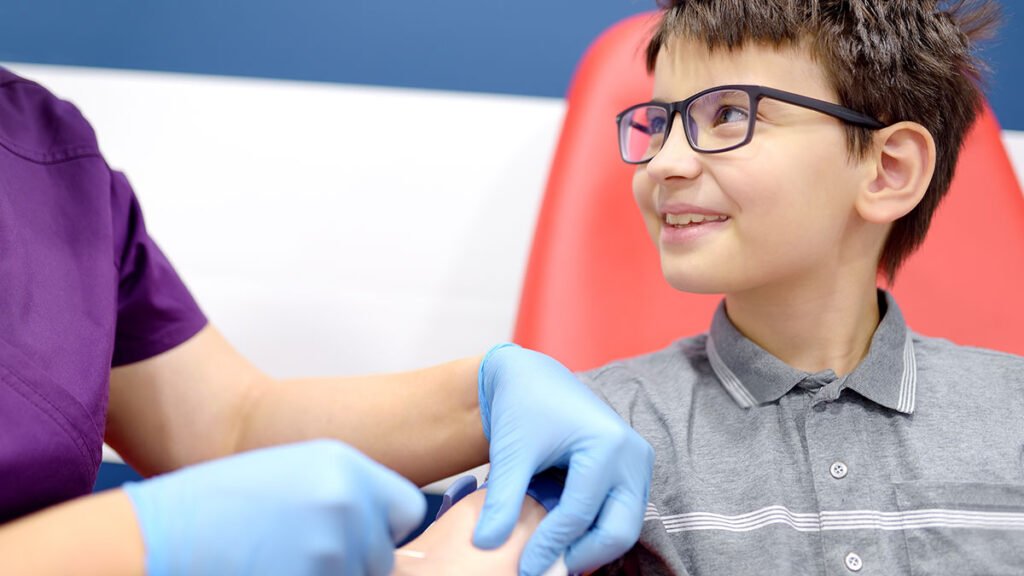
Type 1 diabetes is caused when your immune system creates certain autoantibodies (a type of immune cell) that destroy cells in the pancreas that make insulin. A simple blood test can be done to check for these diabetes-related autoantibodies.
Screening results
Negative (no autoantibodies)
Right now, there is no guidance on when or how often screening should be repeated after a negative result. Talk to your doctor about whether you or your child should be monitored going forward.
Positive (2 or more autoantibodies)
If your results or your child’s results show 2 or more diabetes-related autoantibodies, screening may be repeated to confirm the result. Your doctor will also check your blood sugar levels and ask about any symptoms.
Stages
Type 1 diabetes develops in three specific stages. Stage 1 is now considered the start of type 1 diabetes. People can stay at stage 1 for years before progressing to stages 2 and 3.

If you or your child tests positive for type 1 diabetes at any stage, your doctor will refer you to an endocrinologist (a doctor who treats diabetes and other hormone problems). They will work with you to create a treatment plan and discuss medicines, monitoring, and lifestyle changes needed to manage type 1 diabetes.
Cost of screening
There are free type 1 diabetes screening programs available. For example, TrialNet provides free screening to people who have a relative with type 1 diabetes. For those who test positive, TrialNet offers monitoring and a chance to take part in research.
Similarly, the ASK (Autoimmunity Screening for Kids) program offers free screening for type 1 diabetes and celiac disease for kids in the United States, including those without a family history of either condition. Screening can be done in person or a screening kit can be mailed to you.
You can also ask your or your child’s doctor to order testing at a local lab. If you have health insurance, call your insurance provider to see if the cost of screening is covered. Not all insurance providers will pay for it. If screening isn’t covered, the out-of-pocket cost is typically around $100.
You may be interested

Royal Mail issues ‘delay’ warning to 46 UK postcodes — full list
new admin - Apr 11, 2026A number of postcodes should expect delays to their post this weekend. Royal Mail have warned that some areas of…

Melania Trump’s surprise statement on Epstein raises new questions
new admin - Apr 11, 2026Melania Trump's surprise statement on Epstein raises new questions - CBS News Watch CBS News Questions are still swirling about…

Homes with PVC pipes urged to pour 3 ingredients down drains
new admin - Apr 11, 2026PVC pipes are unable to withstand the extreme heat of boiling water (Image: Getty)Homes across the UK with modern PVC…