




Rabies Status by Country | Rabies

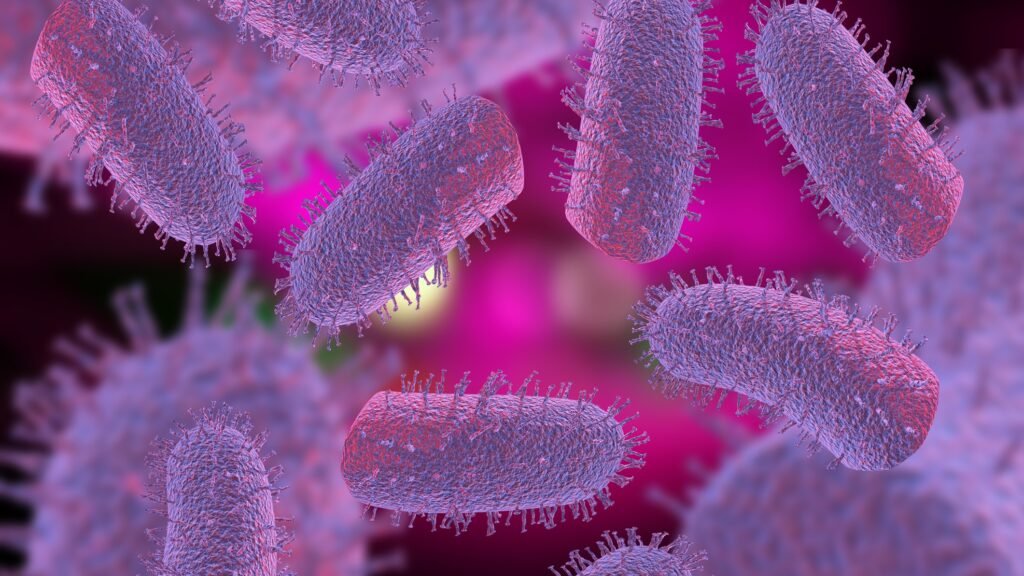
CDC conducts assessments of rabies status for individual countries worldwide to help inform public health guidance.
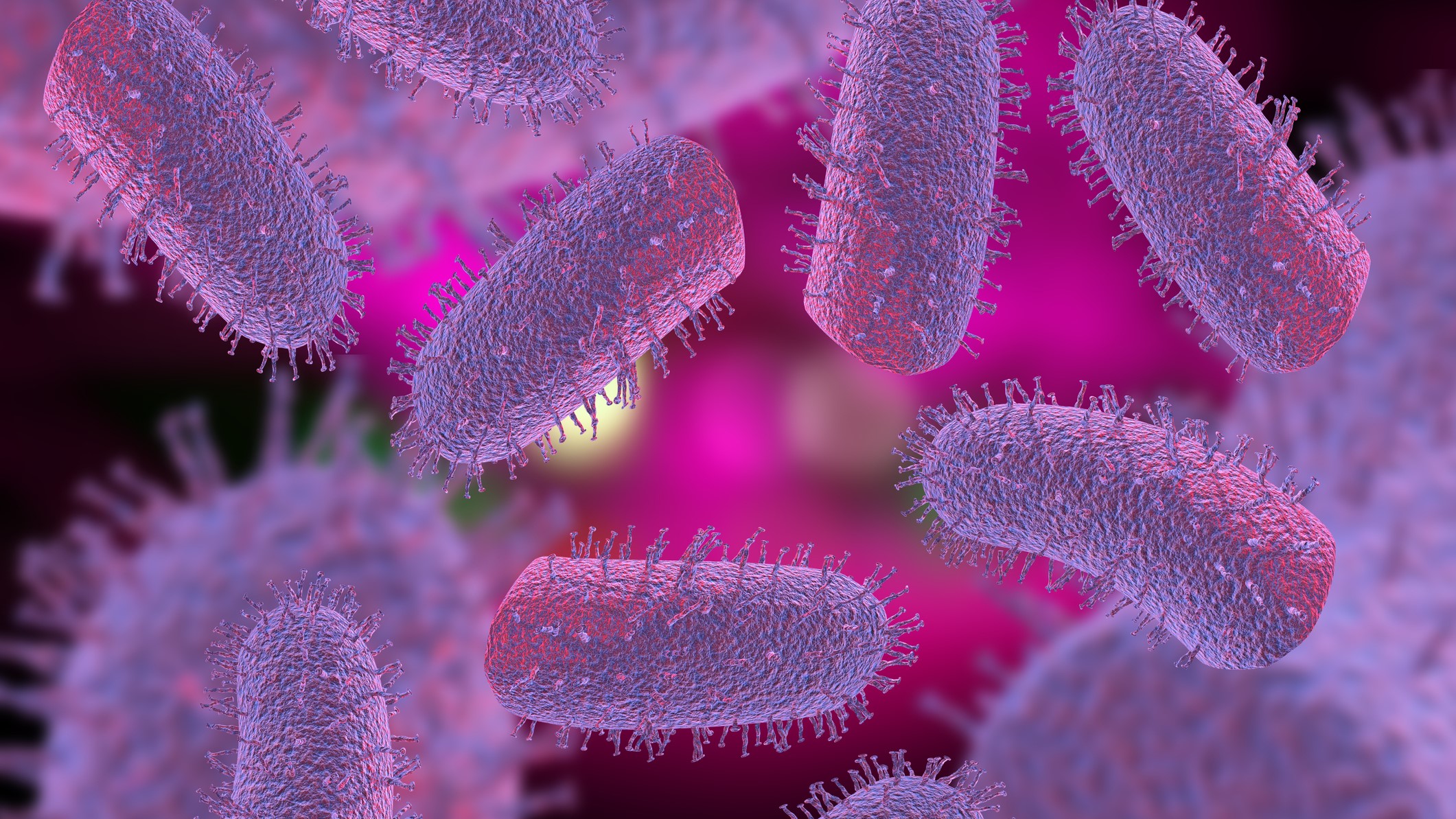
How the data is used
CDC uses the data from the rabies assessment to inform recommendations for travel and for importing animals and animal products into the United States.
Travel recommendations
CDC establishes recommendations for international travelers to each destination country by evaluating the risk of rabies exposure and access to high-quality post-exposure prophylaxis (PEP), including rabies immunoglobulin and vaccine.
Animal importation
CDC’s animal and animal product Importation program maintains importation regulations. These include regulations that address the risk of reintroduction of canine (dog) rabies into the United States from imported dogs. While rabies is found in several wildlife species in the United States (including bats, foxes, raccoons, and skunks), the United States has been free of dog rabies since 2007. Importation regulations aim to prevent the reintroduction of this type of rabies.
Rabies status by country
Select a country from the dropdown to review the latest rabies status information.
What the data mean
Lyssavirus free
Rabies virus belongs to the Rhabdoviridae family, genus Lyssavirus, which includes 16 virus species. All Lyssavirus species have the potential to cause rabies disease in people, but rabies virus is by far the most common cause.
Robust national rabies surveillance
Rabies surveillance is considered robust if formal surveillance reports (including methodologies and results) are available in the form of publications, government reports, or other submissions satisfying international reporting requirements. If data are not available, the country is not considered to have robust surveillance. Regional subject matter experts are encouraged to contact CDC (rabies@cdc.gov) to provide additional data for consideration in updating the reported status for their country.
Robust national rabies control program implemented
A robust national canine rabies control program is evidenced by control measures (such as dog rabies vaccination coverage), significant reduction in cases, and/or transmission limited to focal areas as documented in publications or reports in the past 5 years. If data are not available, the country is not considered to have a robust control program. Regional subject matter experts are encouraged to contact CDC (rabies@cdc.gov) to provide additional data for consideration in updating the reported status for their country.
Vaccine Availability/RIG Availability
Availability of high-quality rabies vaccine and rabies immunoglobulin (RIG) for human use is categorized as:
- Available – Available for postexposure prophylaxis within 48 hours of patient presenting for care throughout most of the country
- Limited Availability – Available for post-exposure prophylaxis within 48 hours of patient presenting for care only in major urban medical facilities
- Not Readily Available – Not readily available within 48 hours of patient presenting for care in most of the country.
How the data are collected
For this assessment, CDC subject matter experts review publicly available data, including:
The assessment considers the presence of wildlife rabies, canine rabies variant (dog rabies), and non-rabies lyssaviruses. The resulting programmatic recommendations and regulations consider factors such as:
- The quality of rabies surveillance systems and laboratory capacity in each country.
- Characterization of rabies virus genomes.
- The presence or prevalence of domestically acquired cases of rabies in humans and animals. In some cases, rabies surveillance is insufficient to characterize rabies reservoirs or rabies presence in a country.
- Efforts towards control of the disease in dogs (such as dog vaccination coverage, dog population management, and existence and enforcement of legal codes to limit rabies transmission in dogs).
- The availability of post-exposure prophylaxis (human rabies immunoglobulin and vaccines) within 48 hours of a human patient presenting for care throughout most of the country.
More information
For more information about how a country’s rabies status was assessed or references to relevant publications and reports, please contact rabies@cdc.gov.
You may be interested

Institutions Outline Challenges Collecting ACTS Data
new admin - Sep 30, 2026[ad_1] Only 17 percent of institutions had all the undergraduate data the ACTS survey required of them. Photo illustration by Justin…

U.S. military declares end of anti-ISIS Operation Inherent Resolve in Iraq
new admin - Sep 30, 2026The U.S. military declared an end to its Iraq-based anti-ISIS operation Wednesday, saying all U.S.-led coalition forces and equipment had…

The 2026 “Genius” Fellows With Ties to Higher Ed
new admin - Sep 30, 2026[ad_1] Each MacArthur fellowship winner receives $800,000 over five years, no strings attached. ilbusca/DigitalVision Vectors/Getty Images The MacArthur Foundation on…