




Parents find community support in delaying smartphones as guidance shifts beyond screen time limits

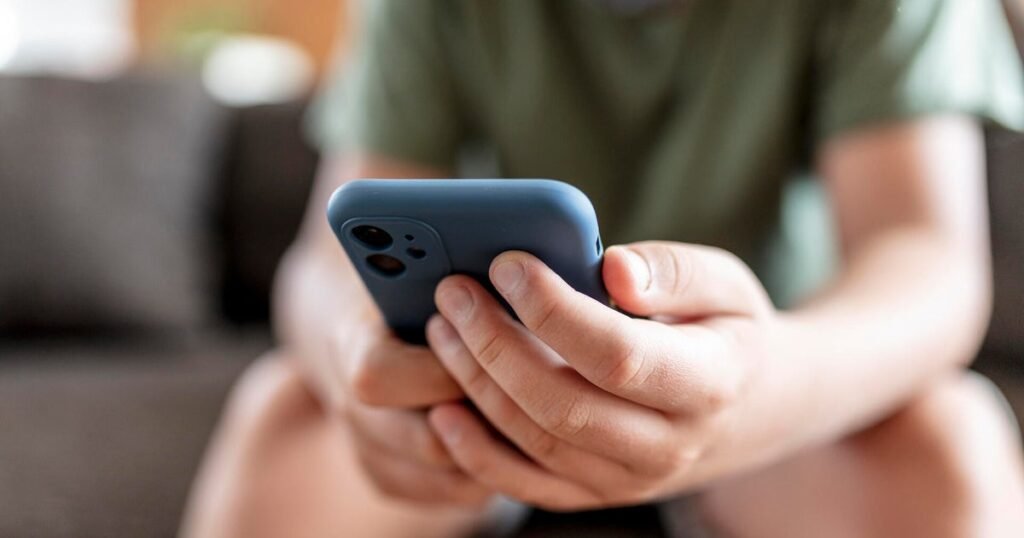
After school, New Jersey fifth graders Joy Wyatt and Emerson Kari head to their local library to study. What they don’t bring with them are smartphones.
Joy does not have a phone and says she does not feel she needs one. When her mother, Beth Wyatt, needs to reach her while she’s there, she calls the library directly.
The Wyatts are part of The Balance Project, a nonprofit with more than 160 chapters nationwide that brings together families who want to delay smartphone use for children. The group focuses on encouraging more time with friends and independent play outside.
Joy’s father, Jason Wyatt, says being part of a broader community has made their decision possible and helps fill a gap in information and support.
“There’s like a half-generation of kids who just went through it. And those parents have said we didn’t know what to do or how to handle it. And luckily for us, we have a place of forum to go to and learn that I don’t think previously existed,” Jason said.
The Balance Project also works with schools, bringing speakers to talk with students about how phones and digital platforms can affect attention, mood and behavior. Educator Bethany Barton teaches children how dopamine overload can make them feel and behave.
“I think I want to see kids walking away understanding how their brain works, recognizing what junk tech is so they can make a smart choice,” Barton said.
That approach aligns with a shift reflected in new guidance from the American Academy of Pediatrics.
The group cautions against viewing children’s digital use solely through individual behavior and imposing screen time limits. Instead, it urges parents and pediatricians to consider the broader digital ecosystem children are navigating, including how platforms are designed, how social pressures operate and how constant connectivity can shape daily life.
“I’ve found, when we tell the kids the science behind their brains, they’re fascinated,” Barton said. “They want to put it into action. They want to see how they can sort of treat their brain right. See if it changes how they interact with screens and how they feel after using screens.”
You may be interested

Hegseth says Iran is digging out missile launchers
new admin - Apr 16, 2026But Iran also obtained a satellite from China in late 2024 that it has used to monitor U.S. military sites…

Bloodsport XV brings MMA-style wrestling to Las Vegas WrestleMania week
new admin - Apr 16, 2026[ad_1] NEWYou can now listen to Fox News articles! LAS VEGAS – The average sports fan who thinks of pro…

Netflix adds ‘perfect adaptation’ of classic story | Films | Entertainment
new admin - Apr 16, 2026A blockbuster comic book adaptation that took fans by surprise is now available to stream on Netflix.Having first hit cinema…