



New IHEP Analysis Shows Financial Need by Country of Origin

The report shows how experiences of Latino and Asian students can differ depending on their families’ countries of origin.
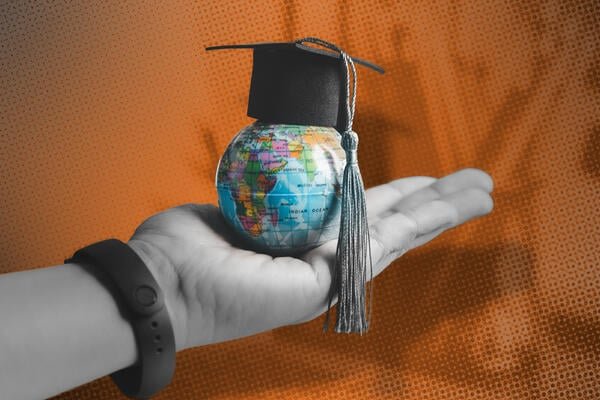
Photo illustration by Justin Morrison/Inside Higher Ed | Jinda Noipho/iStock/Getty Images
A new analysis from the Institute for Higher Education Policy breaks down which students face the most unmet financial need based on their country of origin and how long their families have lived in the United States.
The report aims to highlight that “broad racial and ethnic categories like Asian American and Hispanic or Latino don’t reflect the racial, ethnic and socioeconomic diversity of these student groups or how they experience higher education,” said Marián Vargas, the analysis’s lead author and assistant director of research for IHEP.
Among Latino students, for example, the report shows that Cuban students’ unmet financial need varies greatly based on their generational status, with first-generation Cubans having a whopping 95 percent of their financial need unmet, versus 72 percent for a second-generation Cuban American with two foreign-born parents and 53 percent for those with only one foreign-born parent. It increases again to 78 percent for third-generation students.
For those of Mexican descent, however, generational status has almost no impact, decreasing only five percentage points from 83 percent unmet financial need among first-generation students to 78 percent among third-generation Mexican Americans.
Similar variance can be seen among Asian American students. While students of Chinese, Vietnamese, Japanese and Filipino origin see more significant declines in unmet financial need based on generation, third-generation Korean Americans end up with 81 percent unmet financial need, just five percentage points below first-generation immigrants.
Vargas said a number of potential factors could contribute to why students with different backgrounds face differing amounts of unmet financial need, including societal barriers, challenges navigating the financial aid system and varying levels of poverty among different populations. She said she hopes the analysis will encourage college leaders to continue taking steps to support these students, such as investing in first-dollar free college programs and raising awareness of aid opportunities.

You may be interested

UK adults have four true loves – and partners don’t always come first
new admin - Feb 04, 2026The average adult has four true loves, which can range from football teams and pets to favourite holiday destinations, according…

4-Year Institutions Eye Programs Eligible for Workforce Pell
new admin - Feb 04, 2026[ad_1] When the U.S. Department of Education cited short-term workforce programs as a priority for grants from the Fund for…

Sen. Warren wants to know what Google Gemini’s built-in checkout means for user privacy
new admin - Feb 04, 2026Sen. Elizabeth Warren (D-MA) is pressing Google for more information about its plans to build a checkout feature into its…