




Mosquitoes spotted in Iceland for first time, researcher says

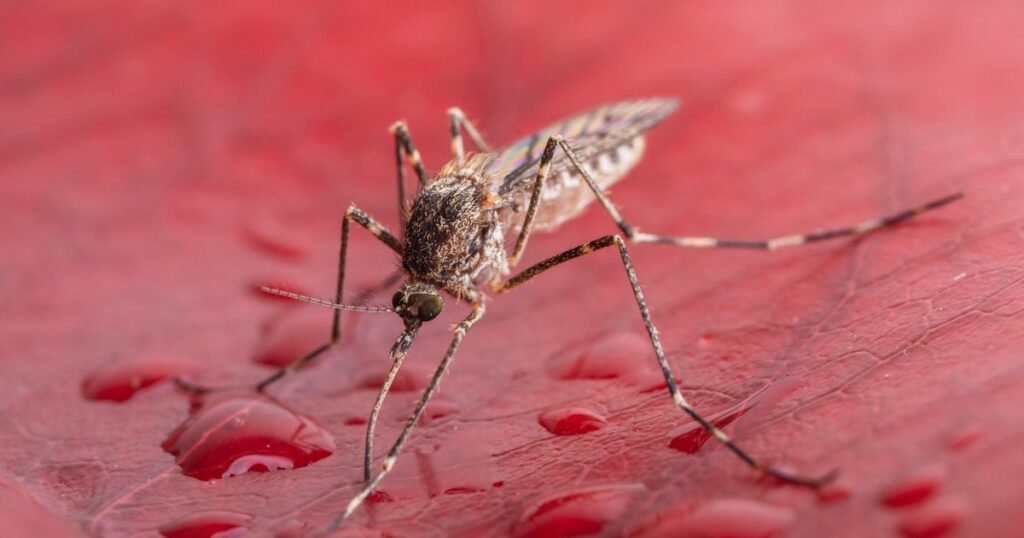
Mosquitoes have been discovered in Iceland for the first time, a researcher told the AFP Monday. The volcanically active country has long been one of the world’s few mosquito-free places.
Three Culiseta annulata mosquitoes, two females and one male, were sighted around 20 miles north of Reykjavik, the country’s capital, according to Matthías Alfreðsson, an entomologist at the Natural Science Institute of Iceland.
“They were all collected from wine ropes… aimed at attracting moths,” the researcher said in an email, referring to a method of adding sugar to heated wine and dipping ropes or strips of fabric into the solution, which are then hung outside to entice the sweet-toothed insects.
The Icelandic Monitor, a local paper, reported that the insects had been found in a residential backyard. Björn Hjaltason said he spotted the mosquitoes over multiple days. He captured the bugs and sent them to Alfreðsson for identification, the outlet reported.
Robert Heemskerk / Getty Images 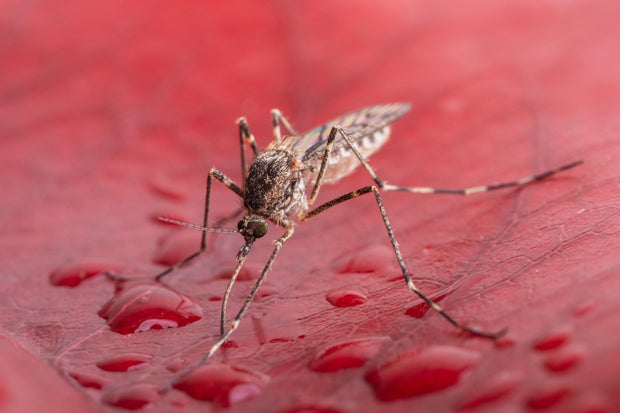
“If three of them came straight into my garden, there were probably more,” Hjaltason told the publication.
Along with Antarctica, Iceland has long been one of the rare places on earth without a mosquito population. Iceland’s neighboring countries, Norway, Scotland and Greenland, all are home to mosquitoes, according to Live Science.
“It is the first record of mosquitoes occurring in the natural environment in Iceland. A single Aedes nigripes specimen (arctic mosquito species) was collected many years ago from an airplane at Keflavik airport,” Alfredsson said, adding that “unfortunately, that specimen is lost.”
Their presence could “indicate a recent introduction to the country, possibly via ships or containers,” he said, but more monitoring in spring would be necessary to determine their further spread.
Rising temperatures, longer summers and milder winters, all brought on by climate change, create a more favorable environment for mosquitoes to thrive. Iceland has taken major steps to fight climate change, including opening a large carbon capture facility and establishing the planet’s first direct air capture plant.
But Alfredsson did not believe that a warmer climate explained the discovery. The species “appears to be well adapted to colder climates,” he said, which “allows them to withstand long, harsh winters when temperatures drop below freezing.”
He added that its “diverse breeding habitats … further enhances its ability to persist in Iceland’s challenging environment.”
You may be interested

‘Shaken’ CNN staffers say they fear what Paramount takeover would mean for newsroom
new admin - Feb 27, 2026[ad_1] CNN employees reacted with alarm after Netflix abruptly pulled out of the bidding war for Warner Bros. Discovery, effectively…

Non-emergency U.S. personnel told to leave Israel due to safety risks amid tensions with Iran
new admin - Feb 27, 2026Non-emergency U.S. personnel told to leave Israel due to safety risks amid tensions with Iran - CBS News Watch CBS…

NASA is pushing back its plans for a Moon landing
new admin - Feb 27, 2026NASA announced at a press conference on Friday that it’s delaying its plans for a Moon landing until Artemis IV…