




Lift oil stains from clothes in seconds with two common kitchen items

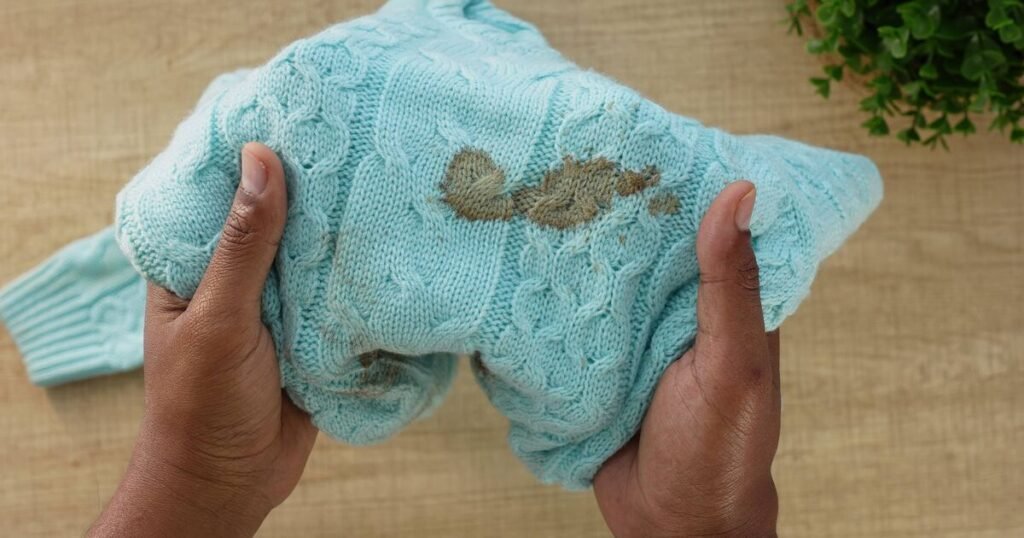

Two kitchen items could banish oil stains for good (stock photo) (Image: towfiqu ahamed via Getty Images)
Oil stains are an absolute nightmare to deal with. You might associate these stubborn marks with a mishap at the petrol station or getting something on yourself during a DIY project in the garage, but oil stains are far more commonplace than you might imagine.
A wide variety of foods can leave oil stains, including fried items that may have residual grease on them, anything coated in butter, dairy products, and certain condiments made with oil. One drip from your fork onto your t-shirt, and it’s game over. Tossing the stained garments in the wash as normal rarely does the trick, so many of us assume the only option is to throw them away.
But there is a better way. Next time you discover an oil stain, give this clever cleaning hack a go before you hastily discard your clothing.
In an Instagram video shared by a professional home organiser from the US, it was claimed that you can remove oil stains from clothes in seconds using a hack that requires just two everyday kitchen items you likely already have in your cupboards, along with the help of your iron.
Daryn Daniels said all you need to banish oil stains is some baking soda, also known as bicarbonate of soda, and some greaseproof paper, or baking paper. You’ll also need an iron to bring the two items together.
She elaborated: “If you have oil stains that you can’t get out of your clothes, I have a hack for you. I cannot believe that this is not something that is taught in school that every single person knows. If you have an oil stain on a piece of clothing, I’m going to show you how to get it out in like 10 seconds.”
“So I’ve got my shirt. I don’t know what happened, but I’ve got oil all over this guy. So, I’m going to set it here, and then I’ve got a hot iron and baking soda. All I’m going to do is sprinkle the baking soda pretty generously all over the stain.
“Once that’s there, you’re going to kind of pat it in a little bit, and then set a piece of parchment paper on top. Then all you do is take this hot iron and iron the baking soda. Something about the way that the heat activates the baking soda will soak up the grease stain.”
The woman subsequently removed the greaseproof paper and shook off the surplus bicarbonate of soda, leaving only the residue that had adhered to where the stain had been. She then brushed this away with her hand, revealing no trace of the stain whatsoever.
Cleaning product brand Smol also endorsed the use of bicarbonate of soda on oil and grease stains, noting it can be particularly effective at drawing out excess oil when the stain is still fresh. To achieve this, they advise sprinkling bicarbonate of soda over the stain and leaving it for a minimum of 30 minutes before brushing the residue into the sink.
Commenters on Daryn’s post were keen to try the hack out for themselves, yet many raised some potential concerns. Specifically, they noted that the hack should not be attempted on synthetic clothing that isn’t suitable for ironing, as there is a risk of ruining the fabric.
One person said: “I’m going to try this next time I have cotton, but maybe don’t do this on polyester or synthetics because it might melt!” Another added: “This would’ve been nice to know before I donated my favourite shirt because of a nasty oil stain.”
How to remove oil stains from clothes
- Act fast: blot excess oil with kitchen roll or paper towel (don’t rub, as it can push oil deeper into fibres).
- Check the care label first; if it’s “dry clean only”, don’t attempt a full wash – take it to a professional cleaner.
- Sprinkle an absorbent powder on the stain (bicarbonate of soda, cornflour, talc/baby powder). Leave for 15–60 minutes (longer for heavy stains), then brush or shake off.
- Pre-treat with washing-up liquid: apply a small amount directly to the stain and gently work it in with fingers or a soft toothbrush.
- Rinse from the back of the fabric with warm water to help push the oil out (use the warmest water safe for the fabric).
- Wash as normal using the warmest temperature allowed on the label, ideally with a biological detergent.
- Check the stain before drying: if it’s still visible, repeat the pre-treat and wash. Do not tumble-dry or iron until it’s gone (heat can set the stain).
- For set-in/old stains: repeat powder and washing up liquid steps, then try a longer pre-soak in warm water with detergent before washing again.
- For delicate fabrics (silk, wool, satin): avoid hot water and aggressive scrubbing; use a small amount of gentle detergent and patch-test first.
- If the stain persists after a couple of cycles, stop using heat and consider professional cleaning.
You may be interested

Real estate agent plays in the Masters after winning US Mid-Amateur
new admin - Apr 11, 2026[ad_1] NEWYou can now listen to Fox News articles! A full-time real estate agent just got done playing at the…

Military expert warns of "economic catastrophe" if Strait of Hormuz is not opened shortly
new admin - Apr 11, 2026Aaron MacLean, a military expert and CBS News contributor, says that if the Strait of Hormuz is not opened shortly,…

After 16 years in power, Putin’s closest friend in Europe faces a pivotal election
new admin - Apr 11, 2026He is no liberal, but rather a moderate conservative figure who has seized on Hungarians’ dissatisfaction with rising living costs,…