


Hundreds of creatives warn against an AI slop future

Around 800 artists, writers, actors, and musicians signed on to a new campaign against what they call “theft at a grand scale” by AI companies. The signatories of the campaign — called “Stealing Isn’t Innovation” — include authors George Saunders and Jodi Picoult, actors Cate Blanchett and Scarlett Johansson, and musicians like the band R.E.M., Billy Corgan, and The Roots.
“Driven by fierce competition for leadership in the new GenAI technology, profit-hungry technology companies, including those among the richest in the world as well as private equity-backed ventures, have copied a massive amount of creative content online without authorization or payment to those who created it,” a press release reads. “This illegal intellectual property grab fosters an information ecosystem dominated by misinformation, deepfakes, and a vapid artificial avalanche of low-quality materials [‘AI slop’], risking AI model collapse and directly threatening America’s AI superiority and international competitiveness.”
The advocacy effort is from the Human Artistry Campaign, a group of organizations including the Recording Industry Association of America (RIAA), professional sports players unions, and performers unions like SAG-AFTRA. The Stealing Isn’t Innovation campaign messages will appear in full-page ads in news outlets and on social media. Specifically, the campaign calls for licensing agreements and “a healthy enforcement environment,” along with the right for artists to opt out of their work being used to train generative AI.
On the federal level, President Donald Trump and his tech industry allies have been attempting to control how states regulate AI and punish those that try. At the industry level, tech companies and rights owners who were once on opposing sides are increasingly cutting licensing deals that allow AI companies to use protected work — licensing content appears to be a solution both parties can live with, at least for now. Major record labels, for example, have now partnered with AI music startups to provide their catalogues for AI remixing and model training. Digital publishers, some of which have sued AI companies training on their work, have backed a licensing standard that outlets can use to block their content from surfacing in AI search results. Some outlets have signed individual deals with tech companies that allow AI chatbots to surface news content (Disclosure: Vox Media, The Verge’s parent company, has a licensing deal with OpenAI.)
You may be interested
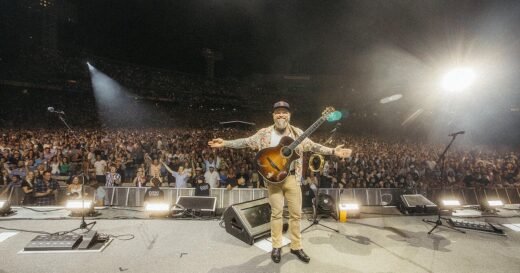
Zac Brown Band gives free cruises to 37,000 Fenway Park concert fans in “incredible surprise”
new admin - Aug 03, 2026Zac Brown Band celebrated their 15th straight sold-out concert at Fenway Park in Boston Sunday night with a huge surprise.…
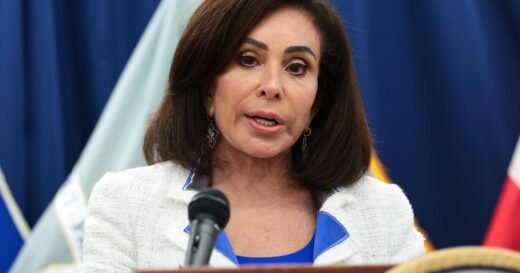
Trump slams Jeanine Pirro for dropping Reflecting Pool vandalism case, says she “choked”
new admin - Aug 03, 2026Washington — President Trump on Monday publicly rebuked Jeanine Pirro, his handpicked U.S. Attorney for the District of Columbia, for…
Ed Sheeran Wrote Katseye’s New Song, More Pop Stars Should Work With Him
new admin - Aug 03, 2026[ad_1] It has been two years since the Netflix series Pop Star Academy brought Katseye together, and the girl group…