




GP suggests putting pillowcase in freezer if hay fever keeps you awake



Is hay fever keeping you awake? (Image: draganab via Getty Images)
Hay fever is widespread this month, with grass pollen season reaching its peak from June through to early July. However, if you’re among the 10 million Britons affected by hay fever, you may find yourself battling symptoms not only throughout the day, but during the night as well.
GP Dr Janine David, an adviser to Breathe Right nasal strips, said: “When your nose becomes blocked, your body has to rely more on mouth breathing while you sleep. This can make sleep much lighter and more fragmented so instead of staying in deep, restorative sleep, you’re more likely to wake up frequently or feel as though you have slept without properly resting. This can leave you groggy and tired the next day.
“Lying down can also make your nasal congestion feel even worse because blood flow increases to your nose and sinuses when you’re lying horizontal. Any pollen that’s built up on your skin and hair might also still be lingering and could irritate your airways, too.
“Research suggests that 74% of people with allergic rhinitis suffer sleep disorders and these can have a huge knock-on effect on daily life, making everyday activities a real struggle.”

Not being able to sleep can be infuriating (Image: Pexels)
Dr Janine David’s five tips to sleep better with hay fever
DOUBLE UP YOUR PILLOWS: “Lying flat on your back can make hay fever congestion feel worse because mucus and pressure build up around the sinuses.
“So, slightly elevating your head can help improve breathing. A second pillow might do the trick or, try folding a towel and placing it underneath your pillow.”
TRY NASAL STRIPS: “To open up your airways and make bedtime breathing a little easier, try Breathe Right nasal strips, which open up your nose by 38% or more, helping you breathe and sleep better when you’re suffering from nasal congestion.”
REMOVE POLLEN FROM YOUR BEDROOM: “If your windows are open during the night, pollen can fly in, which can make your night-time symptoms worse. Plus, during the day, pollen clings to hair and clothing, meaning many people unknowingly bring allergens straight into bed with them.
“Be sure to change clothes after being outdoors and shower before bed to help reduce overnight exposure. Avoiding drying clothes outside can make a surprisingly big difference to nighttime symptoms, too. Instead, use a tumble dryer or dry clothes indoors.”
SWERVE THE EVENING BOOZE: “Research has found that alcohol can worsen hay fever symptoms by potentially worsening nasal swelling and increasing dehydration.
“Avoiding alcohol late in the evening, staying hydrated with water or herbal teas, and using saline nasal rinses may help reduce congestion before sleep. Taking an antihistamine at night may also help.”
FREEZE YOUR PILLOWCASE: “Itchy eyes and overheating keeping you awake? Try placing your pillowcase in the freezer for 20 minutes before bed, as the cold temperature may help calm inflammation around your eyes and nose, making it easier to fall asleep. Although it won’t cure hay fever, it can make symptoms feel more manageable at night.”
You may be interested

NASA gives up on trying to rescue the Swift telescope
new admin - Aug 20, 2026Plans to rescue NASA’s Swift Observatory satellite from falling into Earth’s atmosphere are seemingly dead in the water. The agency…

Tulsi Gabbard shares story of husband’s cancer diagnosis: “It was tough”
new admin - Aug 20, 2026Tulsi Gabbard, the former director of national intelligence who left her position earlier this year after her husband was diagnosed…
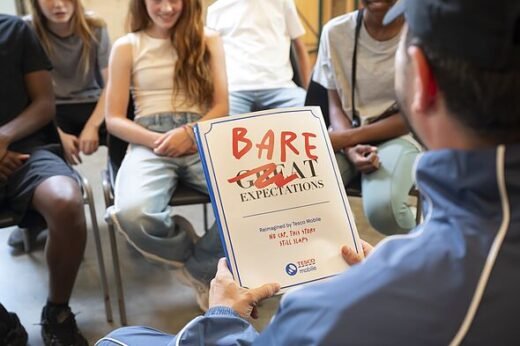
Dickens' classic Great Expectations reworked to help parents decode slang
new admin - Aug 20, 2026Dickens' classic Great Expectations has been rewritten as Bare Expectations to help parents keep up with today's slang. Source link