
Get prepared before a disaster or emergency strikes

You can choose one of the methods below to get organized and keep track of your financial information and contact numbers.
Keep your information in a safe place
Set up a way to locate your important documents quickly after a disaster strikes, because you might need them to apply for aid or ask for help.
- Make a copy of your checklist and store the original and the copy in separate places
- Store a digital copy to a web storage service and make sure it’s protected by a password
- Store a digital copy on a portable computer drive and make sure it’s safe in a container that won’t be damaged by fire or water
Go over your insurance coverage
Check your insurance policies or talk with your insurance company so that you know what is covered in case a natural disaster strikes. Check the amount of any deductibles, because that is the amount you pay out of your own pocket.
Homeowner’s insurance pays for losses and damage to your property if something unexpected happens, like a fire or storm. Some policies cover the cost to rebuild or replace your home, called replacement cost. Other policies cover only the current value of the home, called actual cash value. Look for any limits to payouts. Standard homeowner’s insurance doesn’t cover damage from earthquakes or floods, but you can shop for this additional coverage.
In some areas, homeowners are finding it difficult, or expensive, to keep their home insurance coverage. To shop for insurance policies, contact your state’s insurance department and find out what companies are operating in your area. Look up your state’s information through the National Association of Insurance Commissioners .
Find out steps you can take when home insurance costs go up or your insurer cancels your policy
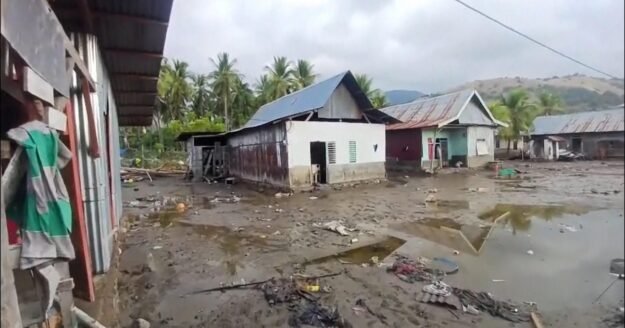
Flood insurance pays for losses and damage to your property because of flooding. It is usually sold separately from homeowners’ insurance. Flood insurance is commonly offered through FEMA, although you can shop for private flood insurance. You can get flood insurance even if you don’t live in a high-risk flood zone.
Renter’s insurance pays for losses and damage to your belongings. Like homeowner’s insurance, renter’s insurance typically covers damage from storms and fires, but not floods or earthquakes. You can shop for a policy that covers your belongings in case of damage from flood or earthquake.
Comprehensive coverage for automobiles and other vehicles can pay for losses and damage caused by flooding or other natural disasters. This is different from the liability coverage that’s required in most states.
Know your climate risks
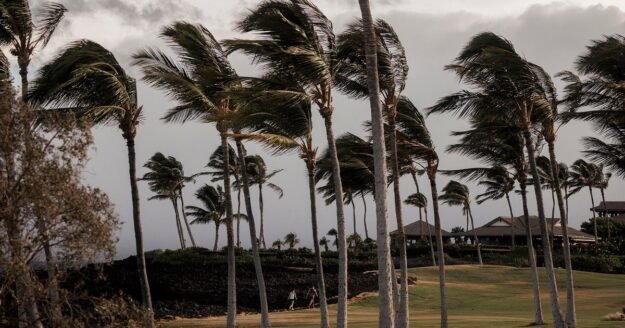
No matter where you live, it is important to know your risk of being affected by a natural disaster, so you can be better prepared for storms and other climate events and what they could cost. Information and statistics about the risks of natural disasters are publicly available. Unfortunately, there are no guaranteed ways to predict whether your property will be struck by a disaster in the future.
Start by checking whether your property is in a FEMA high-risk flood zone . Enter your address at the FEMA Flood Map Service Center, and zoom in until you see a zone label. High-risk flood zones begin with A or V. Of course, floods can happen anywhere, and just because your property is outside a high-risk flood zone doesn’t mean you are free from risk.
Next, investigate the risk of being affected by a flood or wildfire. You can look up your address or community using the FEMA National Risk Index or USDA Wildfire Risk to Communities . You can also look up your property or address on real estate sites or on other nongovernment sites, but some of them collect your personal data or charge fees. Take care to understand what you are signing up for and what it costs.
For homeowners
You might have options to mitigate and adapt to your risks of being affected by natural disasters.
Explore more questions to ask about risks that affect your home
For renters
As a renter, you are not responsible for damage to a property because of a natural disaster. Still, you could be injured, unable to return home, or experience loss or damage to your belongings.
You may be interested

What to feed hedgehogs to attract them to your garden this summer
new admin - Aug 16, 2026Hedgehogs are a beloved symbol of British wildlife and are often welcomed into gardens for their natural pest control abilities.…
'Underrated' Steve Carell film which sees him 'play against type'
new admin - Aug 16, 2026Steve Carell is famously funny as Brick in the Anchorman films and Michael Scott in the The Office US, but…

'I tried Jo Malone's new Wood Sage & Sea Salt rival and it wasn't what I expected'
new admin - Aug 16, 2026[ad_1] Our beauty writer tested Jo Malone's new fragrance that's a reimagination of the iconic Wood Sage & Sea Salt…