



Former Morrisons employee shares top tips for saving money on grocerie

Disclaimer: While I worked for Morrisons, this reflects my own experience of reducing items and what I observed during that time. This is general advice only and does not guarantee it will apply in every case. For specific details about your local store, it’s best to speak to the store manager. The rising cost of food is something many of us experience, and this is not an issue specific to Morrisons.
Food shopping certainly isn’t cheap these days, and no matter where you shop, it feels like you have to watch what you spend more carefully than ever. Costs often rise during the summer too, with barbecues and picnics to plan, friends coming over for drinks, and parents stocking up on extra snacks for the kids that are off school.
But as a former Morrisons employee for three years, I learned a few useful tips. While it can vary by store, it’s usually best to shop either early in the morning or later in the day
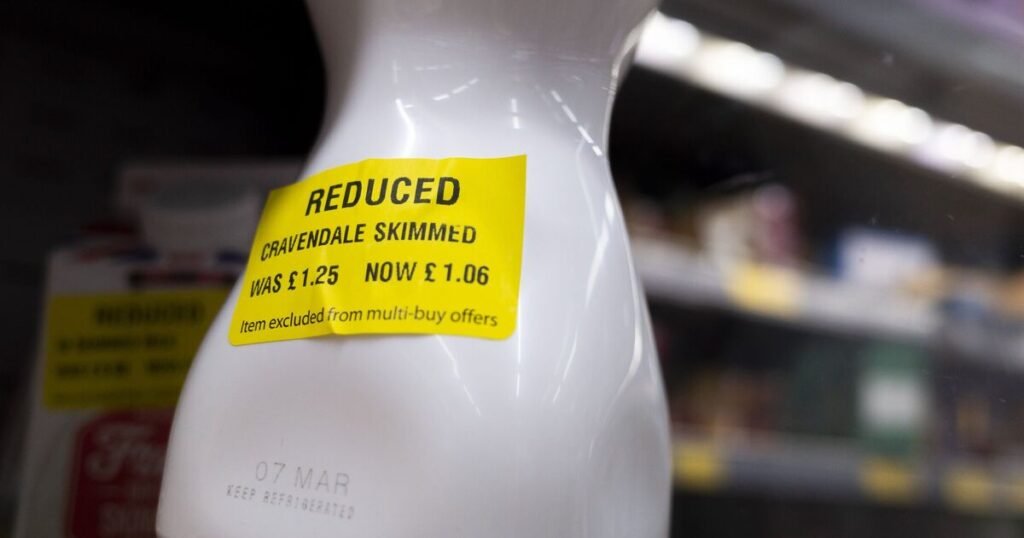
Yellow sticker – best and worst time to get a bargain
Morning
Shopping early in the morning or before closing time is often your best bet. In the morning, you’ll usually find products that were reduced the night before because they’re due to expire that day. For example, if an item had a use-by date of June 25, I’d take it off the shelf on June 24 and mark it down so it was ready for customers the next morning. As a result, you’ll often find plenty of reduced items available at that time, with a much wider selection to choose from.
These products, however, may only see 25% off. If an item was damaged but still safe to sell, these items would also hit the yellow sticker shelf – even if it didn’t expire the next day.
Lunchtime
Lunchtime is usually the worst time to hunt for bargains. By then, the best reduced items have often been snapped up by early shoppers, while anything left may not have been discounted enough yet to tempt buyers.
Check it anyway
One tip I always recommend is to check the yellow-sticker section, regardless of what’s on your shopping list. I regularly saw items such as cooked meats, southern-fried chicken bites and chicken thighs, which were heavily reduced, and it gave me dinner ideas, ideal for night-shift workers who don’t want a big or faffy meal when they get home.
If the packaging shows the product is suitable for freezing and you can find a use for it, it’s an easy way to save money. You might even come across something that looks more appealing than one of the meals you originally planned.
The situation is a little different in the evening, as that’s often when the biggest discounts appear. It’s not uncommon to see items reduced by 75% or more as stores try to clear stock before closing, with some products dropping to just a few pence.
Just don’t leave your shopping until five minutes before closing time. By then, many of the reduced items may have already been removed from the shelves.
For example, if a product reaches its use-by date that day, staff will often take it off sale before the store closes so it can be processed as waste. We cannot sell food past its use-by date, for obvious reasons.
A safe bet is to shop one or two hours before your local store closes. By that point, staff will usually have had time to reduce stock and clear any items that need to be removed.
A rule of thumb
It’s worth remembering that supermarkets still have a full day of trading ahead of them and thousands of customers to serve, so it wouldn’t make much sense to heavily reduce items too early. Ultimately, there’s no one-size-fits-all answer, as markdown schedules vary between stores. However, in general, the closer it gets to closing time, the bigger the discounts tend to be, as stores would rather sell products at a reduced price than throw them away.
What time do supermarkets reduce items?
It varies from store to store, so there’s no set time when reductions happen. It can be worth asking a manager, but it depends on several factors like staffing levels, how many items need marking down, stock levels, and the time of year. Busy periods such as Easter and Christmas can also affect when reductions are carried out.
Christmas, New Year and other annual events
Because many supermarkets close for a day or two at Christmas, for example, stores will try to sell any items due to expire on those dates well in advance.
Because of this, you’ll often see reductions on items like beef, double cream, Christmas cards, turkey and pigs in blankets, sometimes by 50% or more, as stores try to clear stock before the festive closures. The same applies around New Year, so it’s worth making space in your freezer if you plan to buy any reduced items around seasonal events.
Try the supermarket’s own products
Yellow stickers can be useful, but you won’t always find a bargain, and when you do, it might not be something you actually need. Choosing supermarket own-brand products can also help reduce costs. In many cases, they taste just as good as more expensive alternatives. It often comes down to personal preference, so it’s worth trying a few to see what works for you.
You may be interested

Samsung Unpacked 2026: all the news from the July foldable launch
new admin - Jul 22, 2026Samsung is set to reveal a new slate of foldables at this summer’s Galaxy Unpacked, which kicks off at 9AM…

Eye Opener: Severe weather across U.S. as Gulf states prepare for Tropical Storm Bertha
new admin - Jul 22, 2026Powerful storms wreak havoc across the country as the Gulf states brace for Tropical Storm Bertha. Plus, details on a…

What Are the Best Travel Rewards Programs? See the List!
new admin - Jul 22, 2026[ad_1] IE 11 is not supported. For an optimal experience visit our site on another browser.Now PlayingTravel in Style on…