




Cheese, veg and milk will ‘last longer’ when you use shelf method

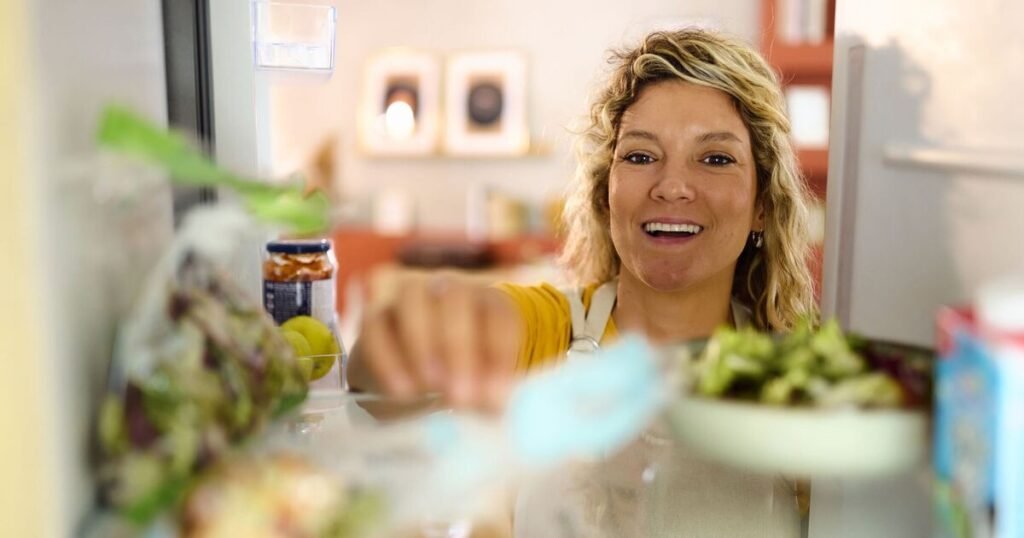

Knowing where to store food can help it last much longer (Image: Getty)
A fridge expert from Hotpoint has revealed the best food storage tips he says “actually make your food last longer”. The advice comes as research shows that the UK throws away around 9.5 million tonnes of food waste each year, the highest in Europe and worth an estimated £17 billion.
Cooking too much food, rushing when measuring ingredients, and poor meal planning are the main causes of household food waste, according to a recent study. Jamie Cooper, Senior Product Manager, Refrigeration at Hotpoint UK, explains the important role fridges play in tackling household food waste.
He said: “Whether it’s buying without a meal plan or ending up with more leftovers than expected, understanding how to use your fridge properly is key to making food last longer and cutting waste.” The fridge expert shares guidance on maximising food freshness through proper fridge storage, helping households reduce waste and make every grocery shop count.
Understanding your fridge’s temperature zones
Cooper says the secret to long-lasting food is knowing that your fridge isn’t the same temperature all over. Different areas vary in coolness – following the simple rule that heat rises.
“The ideal fridge temperature is between 0.5°C and 5°C,” explains Cooper. “However, even within this range, different areas of your fridge will be warmer or cooler. Storing items in the correct temperature zones keeps them fresh for longer.”
A simple fridge thermometer placed in the middle of the compartment can help you monitor and adjust if needed. Strategic placement to maximise the freshness of your food, he says.
What to store on the bottom shelf
The coldest part of the fridge, perfect for raw meat, fish, and seafood. Store them in sealed containers or well-wrapped to prevent contamination.
What to store on the middle shelf
The middle sections of your fridge are perfect for storing dairy products, cooked meats, and leftovers. “Cheese, milk, and similar products should be stored towards the middle and top shelves of the fridge,” advises Cooper.
“Avoid storing milk in the door. Whilst it’s very convenient, the temperature fluctuations caused by opening and closing the door can cause it to spoil faster.”
What to store in the door
Because it’s exposed to room temperature each time you open the fridge, the door is the warmest area. It’s best reserved for less perishable items such as sauces, jams, and condiments.
What to store in the drawers
Modern fridges have dedicated crisper drawers that regulate humidity to keep produce fresh. Vegetables tend to like high humidity, while most fruits prefer low. “If you have a humidity switch on your fridge drawers, make sure you switch it to high humidity for veg and low humidity for fruit”, recommends Cooper.
“Sealed drawers can help keep salads crisp for days because they maintain optimal moisture levels. The same goes for leafy greens and vegetables prone to wilting.”
Our community members are treated to special offers, promotions, and adverts from us and our partners. You can check out at any time. Read our Privacy Policy
Understanding ethylene gas and food separation
Not all produce should be stored together. Some foods, like apples, pears, and avocados, release ethylene gas, which speeds up ripening in nearby foods. “You shouldn’t store fruit in a drawer that contains vegetables,” warns Cooper.
“It’s likely to produce ethylene, a natural gas that can over-ripen other fresh food when trapped in a confined space. Keeping fruit and vegetables separate can help extend the life of your produce.”
Maximising airflow for consistent temperatures
Proper airflow is essential for maintaining consistent temperatures throughout your fridge. “Avoid overpacking shelves so tightly that food touches the shelf above” advises Cooper. “Poor airflow makes your fridge work harder and causes uneven temperatures, which can spoil food faster.” He advises making smart storage strategies part of your routine.
The ‘eat me first’ system, the tea towel trick and ‘upside down’ method
Creating a dedicated space for leftovers or produce with a shorter shelf life will remind you to look there first when preparing meals, Cooper says. This simple organisation hack can help you keep food waste to a minimum.
“Storing herbs in a damp tea towel makes them last longer,” says Cooper. “Locking in the moisture prevents them from drying out whilst the towel provides the ideal environment for maintaining freshness. Fresh herbs can be expensive, so this simple trick can save you money and help to avoid waste.”
The upside-down storage method: turn your leafy greens upside down to extend their freshness. “Store lettuce, spinach and other delicate leaves with their stems pointing upward in the crisper drawer,” suggests Cooper. “This prevents moisture from pooling at the base, which often causes premature rotting.”
The one-minute fridge audit Before your weekly shop, take a quick scan of each shelf and drawer. “This quick visual check can prevent you from making duplicate purchases. Plus, it encourages you to identify items nearing their use by dates that need to be prioritised in your meal planning” highlights Cooper.
Why use glass containers rather than plastic
Store leftovers in glass containers rather than plastic. Glass doesn’t absorb odours or stains, meaning your containers won’t retain the smell of last week’s meal when storing this week’s soup.
“Glass containers also provide better visibility of contents, so you’re less likely to forget about leftovers lurking at the back of the fridge” explains Cooper. “Glass also maintains a more consistent temperature, helping food stay fresh longer.”
Store leftovers after cooling
Always let leftovers cool before refrigerating or freezing. “Putting hot food straight in raises the fridge’s internal temperature, forcing it to work harder and potentially affecting other items,” warns Cooper. By adopting some smart storage strategies and using your fridge freezer more effectively, you can reduce food waste in your household and save some money. Your fridge is designed to preserve food – but it needs your help to do its job properly, he says.
You may be interested

The Jayhawks’ Gary Louris Talks New Album, Canada, Love and Marriage
new admin - Jul 22, 2026[ad_1] When I call Gary Louris to discuss the Jayhawks’ 12th studio album, Sanctuary Park, his wife answers. It appears…

U.S. reaches deal with Saudis for nuclear energy commercial agreements
new admin - Jul 22, 2026Washington — The U.S. and Saudi Arabia have reached a commercial agreement for U.S. companies to run nuclear power for…

Samsung’s Galaxy Z Fold 8 is a fun new shape for foldables
new admin - Jul 22, 2026A year after overhauling its Z Fold phone with a radically thinner design, Samsung has changed things up again, this…