



Can you file a complaint against a debt collector?


Getty Images/iStockphoto 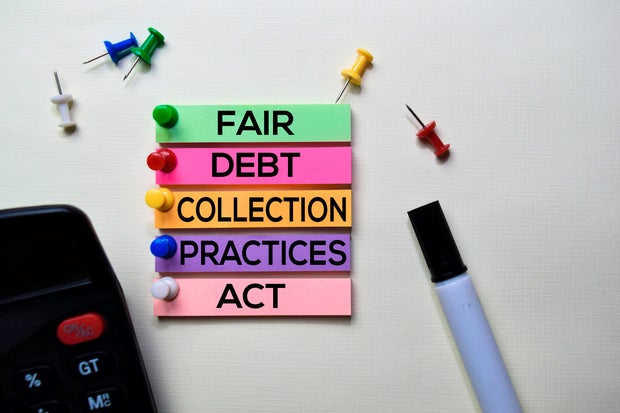
Debt collection activity has intensified significantly over the last year, and with borrowers now carrying over $1.23 trillion in collective credit card debt and household financial stress at elevated levels, it’s likely to get even worse over time. But as more accounts fall seriously behind, borrowers are likely finding themselves on the receiving end of collection attempts — and, unfortunately, not all of those debt collectors will follow the rules in the process. For many borrowers, the debt collection phone calls start early and don’t stop, and the threats get increasingly more serious over time.
While federal law provides specific protections against abusive debt collection practices, it’s not always clear to borrowers that they have legal recourse when debt collectors cross the line. The Fair Debt Collection Practices Act (FDCPA) sets clear boundaries around what debt collectors can and cannot do, from the hours they can call to the language they can use. Yet violations happen with surprising frequency, and many involve harassment or deceptive practices, tactics that are specifically prohibited by federal law.
That, in turn, begs the question of what you can do once the debt collection calls shift from annoying to abusive. Do you have the right to file a complaint against a debt collector if they’ve violated these protections? Below, we’ll detail what to know.
Find out what types of debt relief are available to you now.
Can you file a complaint against a debt collector?
Yes, you can file a complaint against a debt collector if they violate the FDCPA, and you have multiple avenues to do so. The most direct path is through the Consumer Financial Protection Bureau (CFPB), which maintains a comprehensive complaint database and actively investigates violations of the Fair Debt Collection Practices Act. You can file online at consumerfinance.gov, by phone or by mail, and the CFPB will forward your complaint to the company within 15 days while tracking the response.
You can also file complaints with your state attorney general’s office, which handles consumer protection issues at the state level. Many states have additional debt collection laws that provide even stronger protections than federal law, and these state officials will often pursue enforcement actions based on complaint patterns. The Federal Trade Commission (FTC) accepts these types of complaints as well, though they typically don’t resolve individual disputes. Rather, they use complaint data to identify patterns of misconduct and pursue broader enforcement actions.
There are a few valid reasons to file a complaint through one or more of these channels, including calls before 8 a.m. or after 9 p.m., repeated calls intended to harass, threats of arrest or legal action the collector can’t legally take, disclosure of your debt to third parties (like family members or coworkers), continued contact after you’ve requested written communication only or attempts to collect debts you’ve already paid or don’t owe. Debt collectors also can’t use profane language, falsely claim to be attorneys or threaten to garnish wages without a judgment.
When filing a complaint, be sure to include as much information as possible, including dates and times of calls, names of representatives you spoke with, recordings if you have them (check your state’s recording laws), written communications and any evidence that the debt isn’t yours or has been paid. The more specific your complaint, the more likely it is to result in action.
Learn more about your debt relief options online now.
When debt relief might be a better path forward
While filing complaints can help to address debt collection violations, doing so doesn’t resolve the underlying debt itself. If you’re dealing with legitimate debts that have gone to collections, exploring your debt relief options could provide a more comprehensive solution to your financial situation, even if the collector’s methods are questionable.
If collection accounts reflect debts you legitimately owe but can’t pay at current terms, working with a debt relief expert on a solution can stop collection calls by establishing a formal repayment or settlement arrangement. Many borrowers find the dual approach of filing complaints about improper collection tactics while simultaneously addressing the debt through relief programs gives them both protection and a path toward becoming debt-free.
For example, enrolling in a debt settlement program allows you to work with your creditors to try and negotiate reduced payoffs. While the outcomes can vary, this route often reduces your balances by 30% to 50% of what you owe. It can have an impact on your credit score, though, so this approach generally makes sense when you’re facing multiple collection accounts that you can’t afford to pay out of pocket in full.
Pursuing debt management through a credit counseling agency is another option. By enrolling in this type of program, you’ll get help with creating a plan that consolidates your payments into one monthly amount, typically with reduced interest rates and waived fees. This can help lower and streamline your debt payments while keeping your accounts current.
The bottom line
You have clear legal rights when dealing with debt collectors, and filing complaints through the CFPB, state attorney general or FTC is not just possible but encouraged when debt collectors violate federal protections. These complaints create accountability and can result in investigations, fines and corrective action. Don’t confuse filing complaints with resolving your debt, though. These complaints address illegal collection tactics, but the debt itself typically remains. For a comprehensive solution, it makes sense to consider combining complaint filings against abusive collectors with debt relief strategies that actually eliminate what you owe.
You may be interested

A steel plant manager and an economist walk into a factory. They leave with a story about the U.S. economy.
new admin - Mar 05, 2026[ad_1] There’s an air of optimism at the Irvin Plant southeast of Pittsburgh. The $14 billion investment from Nippon Steel,…

Aaron Rodgers makes crude comment about wife on ‘The Pat McAfee Show’
new admin - Mar 05, 2026[ad_1] NEWYou can now listen to Fox News articles! Four-time MVP quarterback Aaron Rodgers is still working out, but it…

3/4: CBS Evening News – CBS News
new admin - Mar 05, 2026Watch CBS News U.S. submarine sinks Iranian warship as Tehran widens ring of retaliation; CBS News producer George Osterkamp dies…