

Ayatollah Ali Khamenei, religious cleric who ruled Iran for decades, killed in strikes

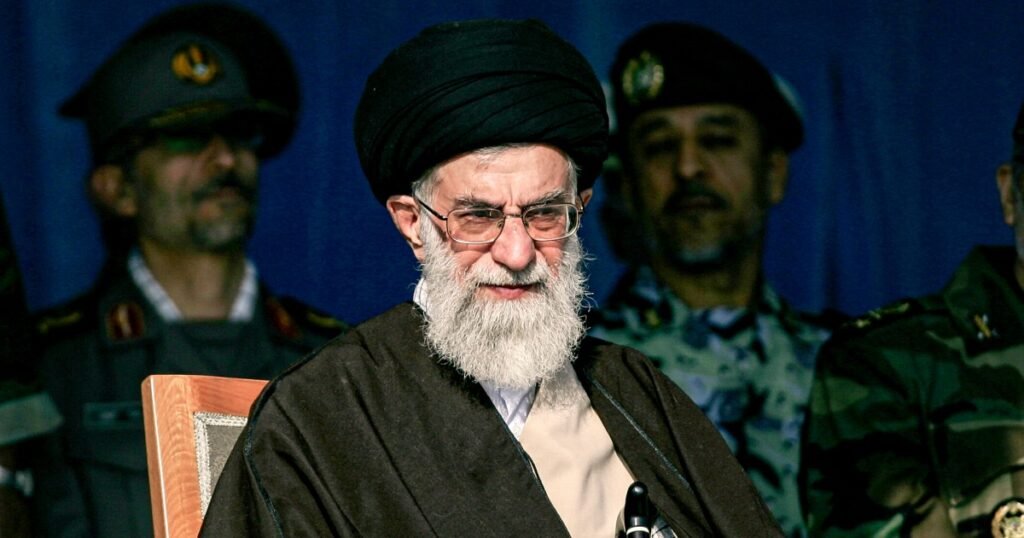
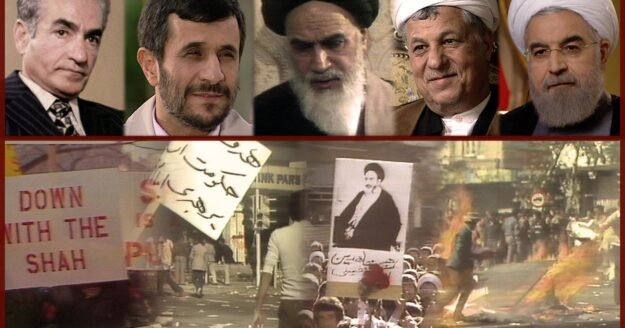
After the 1989 death of Khomeini, who was the first supreme leader of the Islamic Republic, Khamenei was not considered his natural successor. He was named as a candidate by a potential rival, Ayatollah Akbar Hashemi Rafsanjani, and won the support of other clerics.
Over the next decade, Khamenei positioned the Islamic Revolutionary Guard Corps and its top commanders as not only the top military force in the country, but also the top economic power. The Revolutionary Guard oversaw vast foundations that controlled large parts of the economy.
In return, those Revolutionary Guard commanders became Khamenei’s loyal inner circle, helping quell domestic unrest and exporting the Islamic Republic’s revolutionary ideology across the region, in Lebanon, Gaza, Iraq and Yemen.
The first real challenge to his political power as supreme leader came with the election of reformist President Mohammad Khatami, also a cleric, in 1997. Khatami pushed for more social freedoms, and for a number of years Khamenei tolerated the changes pushed by the reform movement.

But each time the push for increased freedom and change spilled out into the streets in the form of protests — in 1999, 2009, 2019 and 2022 and in the past two months — Khamenei responded with killings and mass arrests. Human rights groups documented the torture of detainees after each crackdown.
When the U.S. invaded Iraq in 2003, Khamenei sensed an opportunity to follow up on his years of anti-American rhetoric and tasked the foreign services branch of the Revolutionary Guard, the Quds Force, to work with like-minded Shiite militias to target American troops.

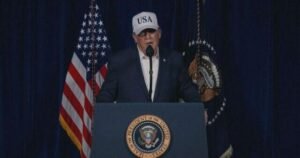
The improvised explosive devices used by the Iraqi militias, with the help of the Revolutionary Guard, maimed and killed dozens of Americans in Iraq, a point that Trump highlighted in recent weeks in discussing his dislike for the regime.
Still, Khamenei also showed a pragmatic side when he agreed to a nuclear deal with the U.S. and European powers, known formally as the Joint Comprehensive Plan of Action, in 2015, an agreement that limited Iran’s nuclear program in exchange for lifting sanctions.
When Trump pulled out of the agreement in 2018, Khamenei seemed to harden his anti-American worldview, arguing that the U.S. could not be trusted.
You may be interested
2/28: CBS Weekend News
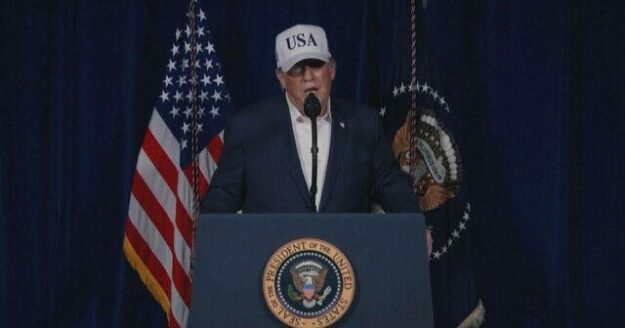
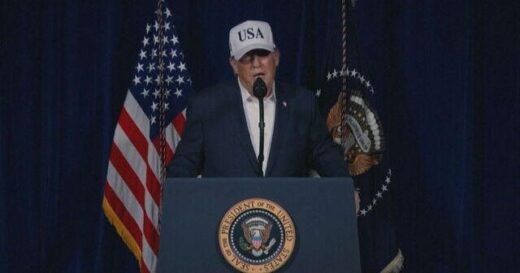
new admin - Mar 01, 2026Trump says Iran’s supreme leader killed in joint strikes by U.S., Israel; What we know after U.S., Israel attacks in Iran …
Wu-Tang Clan Co-Founder Oliver ‘Power’ Grant Cause of Death Confirmed
new admin - Mar 01, 2026[ad_1] Oliver “Power” Grant, the Wu-Tang Clan‘s executive producer since its founding, died at the age of 52 following “a…

Inside President Trump’s decision to strike
new admin - Mar 01, 2026IE 11 is not supported. For an optimal experience visit our site on another browser.Law enforcement on alert for retaliation…