



Allergy Causes in Children & What Parents Can Do

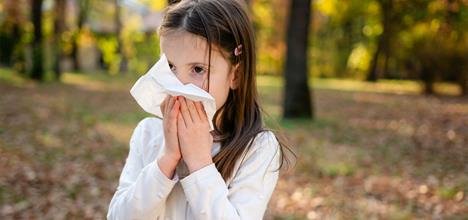
Allergies happen when the immune system, which works to keep the body safe from germs, overreacts to a usually harmless substance (called an allergen). Allergens can be inhaled, eaten or injected (from stings or medicine), or they can come into contact with the skin. For some children, allergens can trigger symptoms such as sneezing, itching, skin rashes, wheezing or even a life-threatening allergic reaction.
Some of the more common allergens are:
-
Pollens from trees, grasses and weeds
-
Molds, both indoor and outdoor
-
Dust mites that live in bedding, carpeting and other items that hold moisture
-
Animal dander from furry animals such as cats, dogs, horses and rabbits
-
Some foods and medicines
-
Venom from insect stings
Are allergies inherited?
Allergies tend to run in families. If a parent has an allergy, there is a higher chance that their child also will have allergies. This risk increases if both parents are allergic.
How can I help my child?
Identifying and avoiding the things your child is allergic to is best.
If your child has an allergic condition, try the following:
-
Keep windows closed during the pollen season, especially on dry, windy days when pollen counts are highest.
-
Keep the house clean and dry to reduce mold and dust mites.
-
Avoid having pets and indoor plants.
-
Avoid things that you know cause allergic reactions in your child.
-
Prevent anyone from smoking anywhere near your child, especially in your home and car.
-
See your pediatrician for safe and effective medicine that can be used to help alleviate or prevent allergy symptoms.
Allergic conditions, triggers & symptoms
|
Foods, medicines, insect stings, latex and others |
Skin, gut, and breathing symptoms that may get worse quickly. Severe symptoms could include trouble breathing and poor blood circulation. |
|
|
Cigarette smoke, viral infections, pollen, dust mites, furry animals, cold air, changing weather conditions, exercise, airborne mold spores and stress |
Coughing, wheezing, trouble breathing (especially during activities or exercise); chest tightness |
|
|
|
Skin contact with poison ivy or oak, latex, household detergents and cleansers, or chemicals in some cosmetics, shampoos, skin medicines, perfumes and jewelry |
Itchy, red, raised patches that may blister if severe. Most patches are found at the areas of direct contact with the allergen. |
|
|
Sometimes made worse by food allergies or coming in contact with allergens such as pollen, dust mites, and furry animals. May also be triggered by irritants, infections or sweating. |
A patchy, dry, red, itchy rash in the creases of the arms, legs, and neck. In infants it often starts on the cheeks, behind the ears, and on the chest, arms and legs. |
|
Any foods, but the most common are eggs, peanuts, milk, nuts, soy, fish, wheat and shellfish |
Vomiting, diarrhea, hives, eczema, trouble breathing and possibly a drop in blood pressure (shock) |
|
|
Pollen from trees, grasses or weeds |
Stuffy nose, sneezing, runny nose; breathing through the mouth because of stuffy nose; rubbing or wrinkling the nose and face to relieve nasal itch; watery, itchy eyes; redness or swelling in and under the eyes |
|
|
Food allergies, viral infections, and medicines such as aspirin or penicillin. Sometimes the cause is unknown. |
Itchy skin patches, bumps (large and small) commonly known as welts that are more red or pale than the surrounding skin. Hives may be found on different parts of the body and do not stay at the same spot for more than a few hours. |
|
|
Primarily aggressive stinging insects such as yellow jackets, wasps and fire ants |
Anaphylaxis |
|
|
|
Various types of medicines |
Itchy skin rashes, anaphylaxis |
When does my child need to see an allergist?
In some cases, your pediatrician may recommend that your child see a board-certified allergist, a doctor who specializes in allergies. The allergist will usually:
-
Look for triggers for your child’s allergy.
-
Suggest ways to avoid the cause of your child’s symptoms.
-
Give you a treatment plan to follow.
More information
The information contained on this Web site should not be used as a substitute for the medical care and advice of your pediatrician. There may be variations in treatment that your pediatrician may recommend based on individual facts and circumstances.
You may be interested

House GOP attempts to forge own path toward ending shutdown, disregarding Senate-backed bill
new admin - Mar 28, 2026House lawmakers are at odds over a Senate bill that includes TSA pay, but excludes ICE funding. Eleanor Mueller, White…

‘I lost my hands to meningitis, here’s what you must know’
new admin - Mar 28, 2026Tilly Lockey lost her hands to meningitis when she was a young child and now has bionic arms (Image: Craig…

How to Help Children Build Resilience in Uncertain Times
new admin - Mar 28, 2026By: Kenneth Ginsburg, MD, MS Ed, FAAP As parents, we want to protect our children from all discomfort. At…