



Adults typically switch roles with parents at age 48, becoming ‘caregivers’

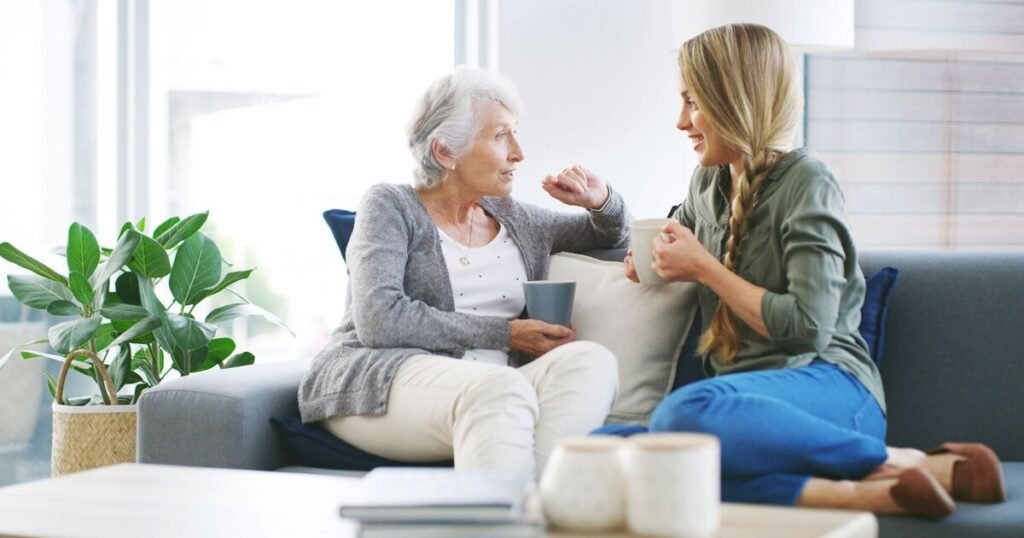
Adults typically ‘switch roles’ with their parents at the age of 48, becoming more supportive than they receive, according to a poll of 500 adults aged 50 and above. The survey revealed that 54 per cent feel they have swapped places with their mum or dad, usually when their parents reached the age of 73.
From this point, many adults found themselves helping their parents understand official documents or digital devices. They also end up taking on more significant responsibilities such as being the main driver, managing their parents’ finances and taking care of household maintenance on their behalf. As a result, four in 10 said they feel more like the caregiver than the ‘child’.
The research, commissioned by Consultus Care and Nursing, showed that for a quarter of adults, this change in roles happened earlier than they expected it to.
While a third simply felt a sense of responsibility to start doing more, for many, the turning point came with a decline in their parent’s physical health or mental wellbeing, signalling a clear need to step in.
This either happened due to general old age, or when 25 per cent found their mum or dad became forgetful. For a quarter of adults, they took on tasks when their other parent had passed away.
Peter Seldon, CEO of the care brand, said: “So many adult children today are quietly carrying the weight of care, often juggling work, family and everything else life throws their way.
“For this ‘sandwich generation’, it’s an emotional experience that’s seldom discussed openly. Recognising when support is needed, and having open conversations about it, can make a real difference to everyone involved.”
The study found adults typically ring their parents to check on them three times a week and visit twice, with 33 per cent having set days on which they assist in caring for them. On these occasions, they will usually do some gardening tasks, rearrange the bins and recycling, and sort through the post.
Two thirds believe their parents feel most relaxed at home, as they are familiar with the layout and have supportive neighbours. As such, nine in 10 said it’s crucial for their parents to stay in their own home, to help them maintain their independence.
Nearly half dread the thought of their parents having to leave their homes to be cared for, with 24 per cent more reassured by the idea of carers visiting their parents at home.
Jane Pochel, nursing consultant at Consultus Care, said: “We see every day how much staying at home matters, not just physically, but emotionally.
“Familiar surroundings give people a sense of control, confidence and calm. When families are able to support that, it can ease the pressure and bring comfort to everyone involved.”
You may be interested

Extended interview: Jane Doe in R. Kelly’s sex tape reclaims name and shares her story
new admin - Feb 04, 2026Reshona Landfair, who testified as Jane Doe at R. Kelly's 2022 federal trial, speaks to Jericka Duncan in her first…
Mississippi families face prolonged power outages with no way to follow boil-water advisories
new admin - Feb 04, 2026Across parts of the South, prolonged power outages are colliding with boil-water advisories, leaving some families without a way to…

Penny the Doberman pinscher wins best in show at 150th Westminster Kennel Club Dog Show
new admin - Feb 04, 2026A Doberman pinscher named Penny won best in show Tuesday night at the Westminster Kennel Club Dog Show, netting U.S.…