



Acute Hives versus Chronic Hives


Share this page:

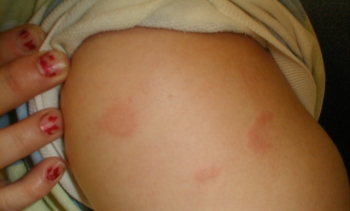 Nearly one in four people have experienced itchy, red or white bumps, welts or patches on the skin called hives. The medical name for this condition is urticaria (ur-tih-CAR-ee-uh). Some hives are classified as acute hives and other cases are chronic. The difference depends on how long the symptoms last.
Acute Hives
The word “acute” refers to a short period of time. Acute hives can last less than a day, or up to six weeks. Acute hives can be a reaction triggered by coming in contact with an allergen such as a food, animal dander, insect bite, latex or pollen. Identifying and avoiding the trigger can help prevent this allergic reaction from reoccurring.
Medications can potentially trigger hives. Reactions to medications can happen anytime throughout the life cycle of taking the medication. Hives can also occur from non-allergic causes. These include heat, stress, exercise or exposure to certain chemicals. One of the most common causes of acute hives in children is a viral infection.
Chronic Hives
Unlike acute hives, chronic hives stick around for a longer period of time. The majority of people suffering from chronic hives have symptoms lasting longer than one year. Most chronic hives are idiopathic, meaning that the exact cause cannot be identified, although many are associated with autoantibodies to Immunoglobulin E or IgE, and some may be autoimmune related. Only a small percentage of chronic hives are due to an allergy. Routine testing such as general blood counts or screens are not cost-effective, nor do these tests make a difference in treatment strategies to relieve the symptoms at the present time. In the future, blood tests may be helpful to determine how well someone’s hives are likely to respond to certain medications.
Symptom Relievers
Whether acute or chronic, hives are often very itchy. This is because the swelling occurs in the layer of skin that has many nerve endings. While most cases of hives get better on their own, here are some tips to reduce the itching and swelling:
• Avoid hot baths or showers
• Wear loose-fitting clothing
• Take antihistamines
Severe flare-ups may require taking corticosteroids to reduce inflammation. Chronic hives often need more advanced treatments on a long-term basis.
In rare instances, hives can be a symptom of a life-threatening condition called anaphylaxis. Call 911 if you experience hives along with any of these symptoms:
• Fainting
• Shortness of breath
• Tightness in your throat
• Tongue or face swelling
• Wheezing
Did you know?
• Angioedema (an-gee-oh-eh-dee-ma) is a reaction that affects deep layers of tissues underneath the skin.
• Hives are not contagious, but they can move from one location on the body to another.
• Both children and adults can suffer from hives.
To the Point
Hives that last from a few minutes to six weeks are acute hives. Chronic hives last longer, often lasting or reoccurring for more than one year.
The AAAAI’s Find an Allergist / Immunologist service is a trusted resource to help you find a specialist close to home.
9/10/2025
Share this page:
You may be interested

House GOP attempts to forge own path toward ending shutdown, disregarding Senate-backed bill
new admin - Mar 28, 2026House lawmakers are at odds over a Senate bill that includes TSA pay, but excludes ICE funding. Eleanor Mueller, White…

‘I lost my hands to meningitis, here’s what you must know’
new admin - Mar 28, 2026Tilly Lockey lost her hands to meningitis when she was a young child and now has bionic arms (Image: Craig…

How to Help Children Build Resilience in Uncertain Times
new admin - Mar 28, 2026By: Kenneth Ginsburg, MD, MS Ed, FAAP As parents, we want to protect our children from all discomfort. At…