

A missing Long Island teen is found dead. More than 40 years later, DNA on a straw leads to her suspected killer


On June 12, 1984, 15-year-old Kelly Morrissey vanished into the night. She left her home after dinner and never came back.
Five months later, it was her friend Theresa Fusco. On Nov. 10, 1984, the 16-year-old left her job at Hot Skates, a popular roller rink never to be heard from again.
Forty-one years ago, trying to find them was a different job. Police had to look for real footprints — not digital ones, and it was easy to vanish without a trace.
1984: Kelly Morrissey and Theresa Fusco go missing
Kelly Morrissey and Theresa Fusco were growing up in the suburbs of Long Island.
Vikki Papagno lived around the corner from Kelly in Massapequa.
Vikki Papagno: She actually was the first person I ever smoked a cigarette with, was Kelly.
Vikki Papagno: I was from a divorced family; she was from a divorced family. We connected that way … she was like my sister I never had.
When they were in junior high, Kelly’s family moved about 10 miles away to Lynbrook. By then, Kelly had made some new friends.
Iris Olmstead: One of the first … people that she met when she moved to Lynbrook was Theresa Fusco.
Kelly’s mother Iris and her then-fiancé Paul Olmstead watched the friendship develop.
Iris Olmstead: She was very good friends with Theresa. And, uh, so she — she made friends very easily.
Olmstead Family/Fusco Family 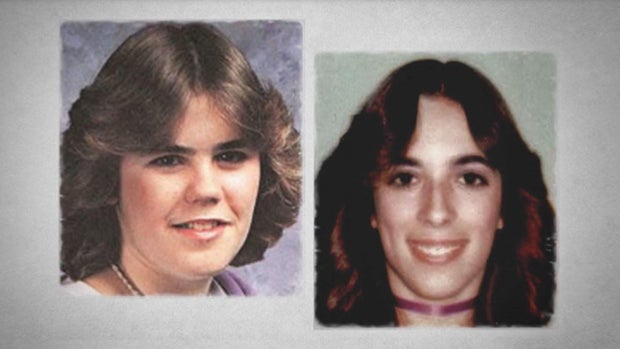
She met her friends at malls and in person. Kids roamed around freely. No one could keep tabs on each other 24/7. It was a different time. And Kelly Morrissey and Theresa Fusco were typical teens for 1984.
That was the year Ronald Regan was President. “Ghostbusters” and “Footloose” were the breakout movie hits. Pop star Madonna was climbing the charts and fashion followed. It was the year Steve Jobs introduced something revolutionary – the Macintosh computer.
Vikki Papagno: We didn’t have cellphones, social media, so we were pen pals. We would get our stationery and we would just write back and forth. And that’s how we communicated …
When Vikki was visiting Kelly, she would sometimes hang out with Theresa who also became her pen pal.
Vikki Papagno 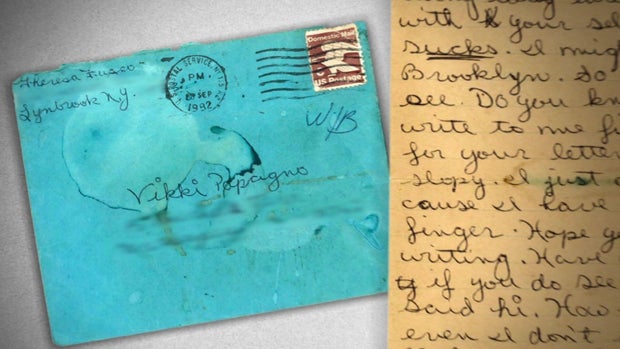
Vikki Papagno (reading letter): … postmark 1982 from Lynbrook, New York, from Theresa Fusco.
And it says, “Dear Vikki, Hi, what’s up? Nothing much here. … when are you going to visit Kelly again? When you do, call me. Okay? … How’s all the boys there? They cute?”
In Lynbrook, by far the best place to meet boys was at Hot Skates.
Vikki Papagno: … oh, we would go to Hot Skates roller rink. We would go there, roller skate around.
Erin Moriarty: How important was Hot Skates in your life?
Lisa Johnson: Oh, Hot Skates was a big deal to everybody that lived in the area, even outside of the area. … We would just go there and hang out with our friends and listen to music.
Lisa Kaplan, now Johnson, was Theresa Fusco’s closest friend.
Lisa Johnson: … We always … would try to dress very similar. … We would buy the same clothing. We would wear our makeup the same …
Erin Moriarty: Did you guys confide in each other?
Lisa Johnson: About everything.
Erin Moriarty: Literally everything?
Lisa Johnson: Literally everything.
No one gave safety a second thought.
Lisa Johnson: You could walk absolutely anywhere … and not be afraid of anything in the dark, during the day, alone, with friends.
And that explains why it was business as usual at the Morrissey house a couple miles away when 15-year-old Kelly walked out the front door alone after dinner. She said she’d be back by 9:30. It was June 12, 1984. Iris didn’t give it a second thought. She and Paul were raising eight children together.
Iris Olmstead: … somebody came in and I heard somebody in the kitchen yelled down “I’m home” and, OK. … you could hear doors opening, closing, kids coming in and out. … And I took it — it was Kelly. It wasn’t until the next morning when … she didn’t come down and go to school that I went down there and realized that her bed wasn’t made and the clothes was still there and she hadn’t come in. …
Erin Moriarty: … and were you panicking at that point, Iris?
Iris Olmstead: … Oh, yeah. And then we called the police, but … they told us that she wasn’t missing 24 hours, at that point they really wouldn’t take a – a report … in those days they waited.
Nassau County Detective Freddy Goldman would review both Theresa and Kelly’s cases some 25 years later.
He’s retired now, but he agreed to walk “48 Hours” through the timeline and the evidence from back then.
At the time of Kelly’s disappearance, he says police found no reason to think there was a crime. It seemed like she was a runaway.
Freddy Goldman: There’s tons of missing person’s cases on a daily basis..
Erin Moriarty: … Is that how Kelly Morrissey’s case was initially handled?
Freddy Goldman: … Of course, yeah.
Vikki Papagno: … at 15 years old … She wouldn’t know how to do life unless somebody was there to help her … I don’t foresee her ever just running away and not talking to anyone, not reaching out to anyone. So, I knew it was serious from day one.
Months went by with no sign of Kelly.
Erin Moriarty: That had to be so tough.
Iris Olmstead: Oh. it was. I mean, everywhere I went, every child from the back looked like Kelly had stopped to look to see if it was Kelly. Um, it was horrible.
Olmstead Family 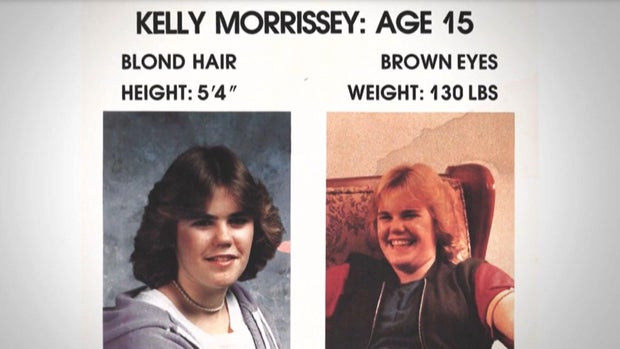
If Kelly had been written off as a runaway and not a priority, five months later her case got a second look.
It was November 10. Theresa Fusco never showed up at Lisa’s house for their sleepover.
Lisa Johnson: I thought maybe she went to somebody else’s house. And so, I called a few friends and said you know, “did Theresa come over?” … At — at that point I still wasn’t overly concerned.
Theresa’s parents were divorced. The next morning, her father Thomas had a scheduled visit and arrived at his ex’s house to pick up his daughter.
Erin Moriarty: How soon did you realize that this was a problem?
Thomas Fusco: I know my wife and I, looked at each other and says, something is not right here. We realized this is out of norm. What do we do now?
Erin Moriarty: When did you become really concerned?
Lisa Johnson: I became really concerned when she wasn’t ready for school on Monday morning. We walked to school every morning. Why wasn’t she there?
Monday came and went. It would be almost a month before anyone knew what had happened to Theresa.
The search for Theresa Fusco
Thomas Fusco: … this is my daughter Theresa … She was my precious little girl.
John Fusco: … we were happy.
Fusco Family 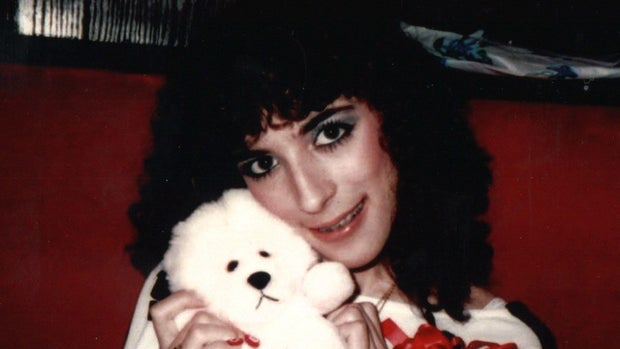
For Theresa’s Fusco’s father Thomas and her brother John, it seemed as though the entire town of Lynbrook was out looking for her.
Erin Moriarty: How big was the search?
John Fusco: Everyone and then some.
Thomas Fusco: Everybody.
John Fusco: Everywhere.
Nearly a month later, not far from Hot Skates and near the Long Island Rail Road tracks, Theresa’s body was discovered, beaten, raped and strangled, buried under a pile of leaves and wooden shipping pallets.
Thomas and John are still haunted by where she was found.
John Fusco: I walked over her twice.
Thomas Fusco: Yeah. …
John Fusco: I didn’t know she was under the pallet. We just walked over the pallet …
John Fusco: … and I’m glad I didn’t find her. That would’ve killed me.
Lisa Johnson: I never heard the word, homicide.
So, when two homicide detectives arrived at Lisa’s house, she didn’t yet understand what that meant.
Lisa Johnson: … and they said, well, we think we found her. … my heart started to race. I — I started to get excited, thinking, my God, thank God they found her. And then they told me that they found a body …
Lisa Johnson: … at 16 … It was life shattering.
Anne Donnelly: When her body was found, it was a shock not just to the Lynbrook community, but I think to all of Nassau County …
Anne Donnelly would grow up to be the Nassau County District Attorney but before that she had a childhood a lot like Theresa Fusco’s.
Anne Donnelly: I used to hang out at (laughs) Hot Skates … when I was a kid.
Anne Donnelly: … I was in college when it happened …
Anne Donnelly: … it changed the way we saw the world back in the 80s, it changed all that and not for the better …
Forty-one years later, Vikki Papagno keeps a sad scrapbook. It tells the story of losing her two friends, Theresa and Kelly.
Newsday 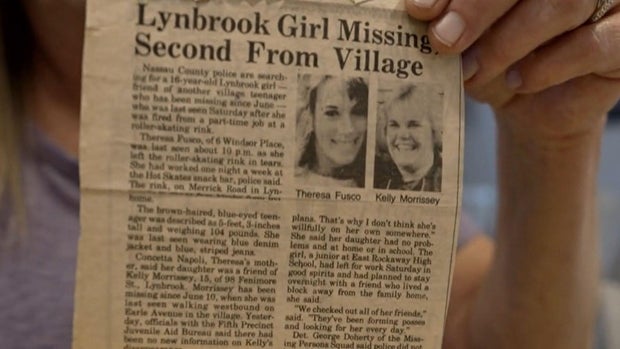
Vikki Papagno: These are news articles I collected throughout the years on this case. … This one, which includes both of them. “Lynbrook girl missing second from the village.”
Kelly had been missing for nearly six months when Theresa was found.
Vikki Papagno: … it’s just too coincidental to me. … I feel like whoever committed Theresa could have something to do with Kelly.
Erin Moriarty: You have two girls who went missing and then one who was murdered.
Lisa Johnson: Yeah. … I was afraid to be home alone at nighttime … it was frightening because … we had no answers.
Investigators on Theresa’s case had very little to go on — no footprints, no fingerprints, no murder weapon. Hair samples were taken from Theresa, also a sexual assault swab, but DNA testing had not advanced enough to find out who it belonged to.
While looking for links between the two girls, they zeroed in on John Kogut, a 21-year-old landscaper who told detectives he had dated Kelly for about a week
Vikki Papagno: I’ve heard the name John Kogut before. … it was early … right when she first started … liking him or dating him.
Kogut was asked about Kelly’s disappearance. He also was asked about Theresa’s killing and denied any knowledge of it. Kogut agreed to come in and take a polygraph test. Four days later he did and police told him he failed it.
Kogut was interrogated through the night and into the next morning. After nearly 12 hours of questioning, his denials changed. Nassau County Detective Joseph Volpe wrote down what he said Kogut told him — that on the night Theresa went missing, Kogut “was with John Restivo and Dennis Halstead in John’s van” when they saw Theresa walking away from Hot Skates.
Dennis Halstead was known to investigators back then says Freddy Goldman. He’d had some minor brushes with police.
Freddy Goldman: … Dennis Halstead had an apartment adjacent to the Shell gas station where Kelly was last seen at that payphone.
Freddy Goldman: … we were told that Kelly … hung out in that apartment frequently. She had the key to his apartment …
Erin Moriarty: It sounds like Dennis Halstead was viewed kind of as a bad influence on the younger kids in the area.
Freddy Goldman: It would seem. Yeah.
John Restivo was more of a clean slate.
Freddy Goldman: He was a working fellow. … although he was friends with them, he didn’t have, uh, a background like them. He didn’t hang out in Dennis’s apartment or that we knew of.
Police took Kogut to the District Attorney’s Office where he was videotaped.
ASSISTANT DA GEORGE PECK (videotaped interview): I want to talk to you about the uh, death of uh, Theresa Fusco.
Freddy Goldman: He was interviewed by … Assistant District Attorney George Peck. … he agreed to go on video.
With the camera rolling, Kogut detailed what happened to Theresa once she got into the van that night. Kogut told investigators that Theresa was raped twice by Dennis Halstead and John Restivo. When she said she was going to tell somebody, they couldn’t let that happen.
Handout 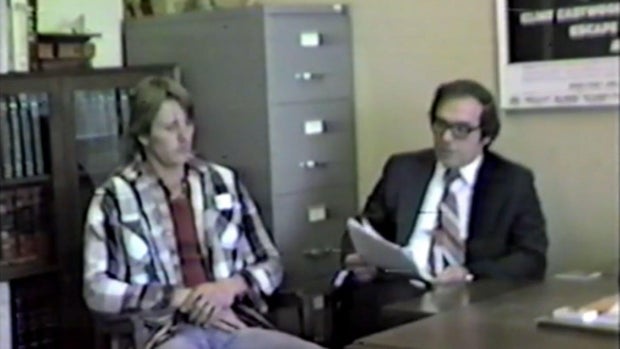
JOHN KOGUT (videotaped interview): We decided that I had to kill her and Dennis told her that she had to die.
ASSISTANT DA GEORGE PECK: And what did uh, did John agree to this too?
JOHN KOGUT: John didn’t say nothing.
And then John Kogut describes how he killed Theresa.
ASSISTANT DA GEORGE PECK: And then what happened after uh you got the rope?
JOHN KOGUT: I umm, I wrapped it around the neck twice and then I tightened it like this (motioning with his hands), and then her body went limp.
John Kogut would later recant everything he told police, but on that day, Goldman says, investigators were confident they had Theresa Fusco’s killer in custody and had the evidence they needed to prove it. But later, on that very same day, another teenage girl went missing.
March 1985: Jackie Martarella disappears
On March 26, 1985, when 19-year-old Jackie Martarella didn’t show up to start her shift at Burger King, her older brother Martin knew something was off.
Martin Martarella: She’s very prompt. … she was very dependable. And for her to not show up, we knew there was something wrong.
Most nights, Jackie walked to work from the family home in Oceanside, a town a few miles away from Lynbrook.
Erin Moriarty: How would she get there? If you’re, she’s walking, what was the route she would take to go to Burger King?
Martin Martarella: Well — she — pretty much straight down Long Beach Road …
Erin Moriarty: Did you ever worry about her walking to work?
Martin Martarella: Not really, no. No.
1984 Oceanside High School Yearbook 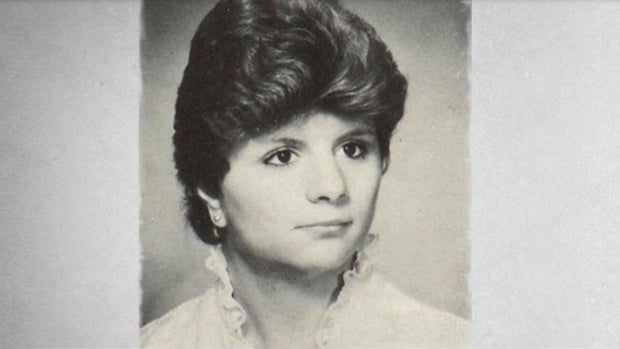
Jackie had recently graduated from high school. She was working part time and taking accounting classes, saving money to buy a car.
Erin Moriarty: How would you describe your sister?
Martin Martarella: Describe her? She was, um, very girly.
Complete with posters of teen pop stars on her bedroom wall.
Martin Martarella: I remember Leif Garrett, whoever he was.
Erin Moriarty: I remember Leif Garrett.
Martin Martarella: There was posters of that. … she was into … Dance. … She liked doing that.
Martin Martarella: … she liked her clothes, very finicky with her clothes.
And now she was missing.
Erin Moriarty: So what did you and your father do?
Martin Martarella: Well, I think we called the police, and then they took notes, and then they started looking.
Martin Martarella: And then those other two came up and they were, you know, saying, look what’s happening here. … So it became — everybody became interested.
Nearly a month went by with no sign of Jackie.
Martin Martarella: You know, all the worst thoughts go through your mind when something like that happens. … And of course, huh, what happened happened … the worst of the worst. … they found her body 26 days later in a Woodmere golf course.
On April 22, 1985, a man looking for golf balls in the high grass off the 17th hole found a naked body. It was Jackie.
Martin Martarella: She was murdered obviously and discarded.
According to former Nassau County Detective Freddy Goldman, Jackie was left the same way Theresa Fusco had been: raped and strangled.
Erin Moriarty: Initially did investigators think oh my God, these cases all have to be connected?
Freddy Goldman: Yes and no. But with Kogut sitting there, it kind of, you know, it threw a monkey wrench in everything.
John Kogut, the man who had confessed to killing Theresa Fusco, was in police custody.
Freddy Goldman: … how could he be the killer if we had him in custody the same day that she went missing. So obviously it wasn’t him. Yeah. Could it be a Halstead, Restivo? But no.
Jackie’s homicide was not going to be easy to solve. Her body was so badly decomposed; no DNA swab could be taken.
Freddy Goldman: … I’m sure it heightened the — the alertness and awareness of the community … because now you know that there’s somebody out there that’s, you know, going after young girls.
Kelly Morrissey was still missing. Police knew she had hung out at Dennis Halstead’s apartment, but there was nothing more to tie Halstead or Kogut to her disappearance.
Erin Moriarty: Was there any evidence … that indicated that they were involved in — in Kelly’s disappearance?
Freddy Goldman: No, no.
New York Daily News/Contributor, Newsday LLC/Contributor 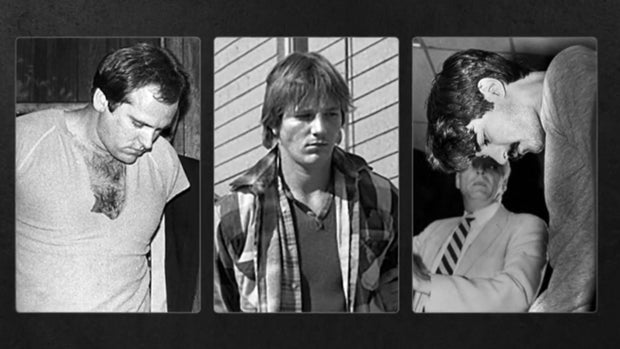
Theresa Fusco’s killing was the only case police could pin down. By June 1985, John Kogut, John Restivo and Dennis Halstead had all been charged with her rape and murder and all three pleaded not guilty. Kogut went on trial first. Later, Halstead and Restivo were tried together.
Lisa Johnson: … I remember sitting in the witness box testifying and — and the district attorney saying, please speak louder.
Lisa Johnson was just 18 and a star witness.
Lisa Johnson: And here I am, you know, sitting there very meek and — and timid and in a room full of strangers, testifying about my friend who was killed. It was difficult. It still is difficult.
John Kogut offered an alibi. And according to a New Yorker Magazine investigation, the van police said was used in Theresa’s abduction was actually out of commission and up on cinder blocks the day Theresa went missing.
But two hairs belonging to Theresa that police say they recovered from the floor of Restivo’s van, were too powerful to ignore. And Kogut’s detailed confession trumped everything.
JOHN KOGUT (videotaped interview): … I wrapped it around her neck …
By February 1987, Kogut, Halstead, and Restivo had been convicted of the rape and murder of Theresa Fusco and sentenced to more than 30 years to life.
It had by then been two long years for Theresa’s dad. He and the rest of her family tried to move on.
Thomas Fusco: … we thought, believing me, that there was time for closure. We had gone to Parents of Murdered Children. We had support and they were looking for support. And we were looking for support and closure.
But there was no closure. What prosecutors had insisted was an airtight case against the three men was going to blow up, spectacularly. In 2003, nearly 19 years after Theresa was killed, more sophisticated DNA testing became available. It told a different story. John Kogut, John Restivo, and Dennis Halstead’s convictions were all overturned.
JUNE 2003 | WCBS news report: Just 6 hours ago, after 17 years in prison, the murder rape convictions of three long island men were overturned following stunning new DNA evidence.
And new testing not only ruled out Kogut, Halstead and Restivo, it pointed to someone else entirely: another unknown male.
Everything Theresa Fusco’s family and friends thought they knew about her killing — and her killer — was changing.
Lisa Johnson: … wait a second, there was investigations. We trusted the detectives. We trusted the police to do the right thing. … What do … how could they do this to us?
Was John Kogut’s videotaped confession coerced?
In June 2003, after almost 18 years, John Kogut, John Restivo and Dennis Halstead were out of prison and in the arms of their families.
Lisa Price: I waited for this for 18 years (cries) And I’m just, I’m sorry I’m just really … I just can’t believe it’s happening.
But their legal problems were not over.
Associated Press 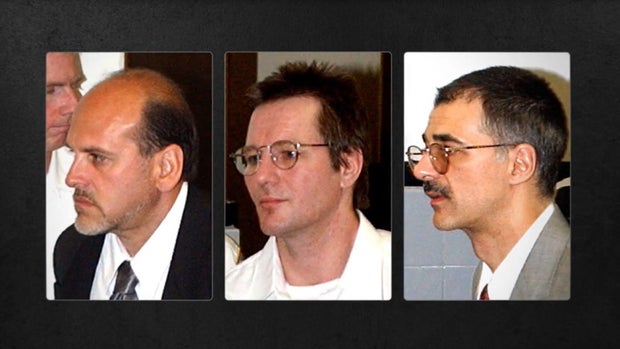
Nassau County District Attorney Denis Dillon had decided to retry all three for the murder of Theresa Fusco, starting with John Kogut, who again pleaded not guilty.
There was still his videotaped confession, and that became the centerpiece of the case against Kogut at his second trial in September 2005.
JOHN KOGUT (videotaped confession): We decided that I had to kill her …
The confession, the prosecution argued, was more important than all other evidence — even the new DNA.
Paul Casteleiro: When … I saw the video, I go, whoa. — it’s — looks like it’s legit …
But Kogut’s defense attorney Paul Casteleiro says the video is misleading.
As damaging as Kogut’s statements sound, he says it’s what you don’t see on camera that matters.
Paul Casteleiro: Part of it is, you know … it’s staged.
There is a detective —
Paul Casteleiro: … sitting off camera, watching it, and monitoring it and making sure it goes right. … it’s, it’s like a play.
In the video, Kogut struggles with names —
ASSISTANT DA GEORGE PECK: Theresa Fusco?
JOHN KOGUT: Theresa Fusco …
— even his alleged accomplices’ name.
JOHN KOGUT: … John Restivo, Dennis Sharpir —
And then asks for help.
JOHN KOGUT: What’s his last name?
ASSISTANT DA GEORGE PECK: Well, are you talking to uh, Detective Volpe who’s also in the room?
Paul Casteleiro: That kind of shows it was coerced …
Kogut was an easy target, Casteleiro says. He had a tenth-grade education and a substance abuse problem that, Casteleiro says, police took advantage of.
Paul Casteleiro: … tells them about his drinking, his drugs, all — all the stuff that they can use against him …
And then Casteliero says, they lied to him.
Erin Moriarty: The police told John Kogut that he failed a polygraph …
Paul Casteleiro: No … John Kogut passed his polygraph test with flying colors.
And even though Kogut had already told police over and over that he had nothing to do with Theresa Fusco’s killing, Casteleiro says they convinced him he did.
Paul Casteleiro: They told him he blacked out, he didn’t remember. You know, this is what you did, this is where you took her.
JOHN KOGUT: I didn’t even remember the next moment.
ASSISTANT DA GEORGE PECK: Didn’t remember what?
JOHN KOGUT: What had happened next.
ASSISTANT DA GEORGE PECK: Well, you remember it now, don’t you?
JOHN KOGUT: Yeah, I guess.
By the time the video was recorded, Kogut had been in custody for 18 hours, interrogated for nearly 12 of them and awake for almost 30.
Paul Casteleiro: At some point in time, you know, you want out, you give in.
But the confession wasn’t the only thing prosecutors would have to defend — they had to contend with the new DNA evidence pointing to an unknown male. So, prosecutors suggested that Theresa must have been with someone else right before she was abducted by Kogut, Halstead and Restivo.
Paul Casteleiro: … then all of a sudden … she had a consensual sexual encounter. That’s what they said.
But investigators were never able to identify anyone who had been sexually involved with Theresa. And Theresa’s best friend Lisa had to take the stand again at this trial to talk about it.
Erin Moriarty: And I mean this is a tough question to ask and I — I want to ask it properly. But as far as you know, was Theresa even sexually active back then?
Lisa Johnson: Absolutely not. And we spoke about that … And that’s not something that she was going to do before she was married.
Lisa, once their star witness, was this time around undercutting their case.
Paul Casteleiro: They went against their own witnesses … and in fact argued that she went from being a virgin to being someone who had a quickie in a skating rink where she worked … it was — it was preposterous, it was demeaning.
Erin Moriarty: Did that make you mad?
Lisa Johnson: It did. Because it’s not something she would have done ever. … And I will go to my grave saying that Theresa was not having sex with anybody.
Prosecutors did still have the physical evidence from the first trial, the two hairs belonging to Theresa that police said they found on the floor of John Restivo’s van.
Court exhibit 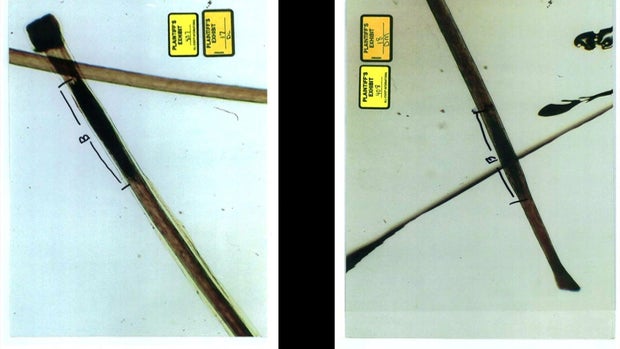
But that, too, Casteleiro argued, was tainted. There was a science to analyzing whether the hairs came from someone dead or alive.
Paul Casteleiro: They displayed a — a certain decomposition that is only present when the hairs are attached to the head of a person who’s deceased.
That meant the hairs could not have been left in the van while Theresa was still alive, according to Casteleiro.
Paul Casteleiro: — we believed … that — they went in and took them from the medical examiner’s office and … said, they found them in the van. … In other words, they were planted.
But in closing, prosecutors denied the hairs were planted. After Casteleiro was able to raise serious questions about the prosecution’s case, Kogut’s fate was in the hands of one person — a single judge, not a jury. Kogut had decided to take his chance with a bench trial.
And after nearly three months of testimony, the judge reached a verdict.
Paul Casteleiro: … this is … Judge Ort’s decision … The court will not accept the confession and accordingly finds the defendant not guilty of murder in the second degree under count one.
Erin Moriarty: And what does that mean when the judge won’t accept the confession?
Paul Casteleiro: It means that the confession is false. It is not credible, … And that’s what the judge found. He did not believe the confession.
Eight days later, the prosecution formally dismissed the charges against Restivo and Halstead.
Thomas Fusco: … when John Kogut was acquitted, I was devastated only because I’ve seen that confession of his over and over again. And I believe then that he was telling the truth.
John Fusco: It makes you feel like you got hit in the face with a friggin’ shovel and you don’t know how to bounce back from that.
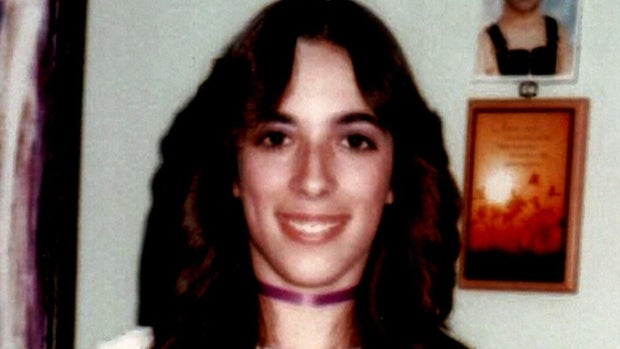
It was December 2005. Theresa Fusco had been dead for more than 20 years and now nothing about her case could be laid to rest.
Thomas Fusco: It’s — for me, as the father, heartache … heartache to go through it over again.
Lisa Johnson: I felt as if the life had been sucked out of me, everything that we fought for, everything that we testified for, everything that was investigated and all of the proof and all of the evidence meant nothing. … If they didn’t do it, then who did it?
On Oct. 15, 2025, Anne Donnelly — now the Nassau County District Attorney — had a startling announcement.
DA ANNE DONNELLY (to reporters): Good morning. I’d like to thank my investigators and my prosecutors handling this case for standing here with me today.
DA ANNE DONNELLY (to reporters): And after two decades of this case running cold, we have indicted Theresa’s killer.
October 2025: An unexpected breakthrough
Nearly 41 years later, and thanks to genetic genealogy, Nassau County DA Anne Donnelly was sure they had finally – finally — found Theresa Fusco’s killer.
DA ANNE DONNELLY (to reporters): Theresa’s life was violently stolen from her more than 40 years ago, but the past is never forgotten.
Once the unidentified DNA sample was matched to 63-year-old Richard Bilodeau, surveillance began. A few months later, prosecutors say a straw in a discarded smoothie cup confirmed he was their man.
Nassau County District Attorney 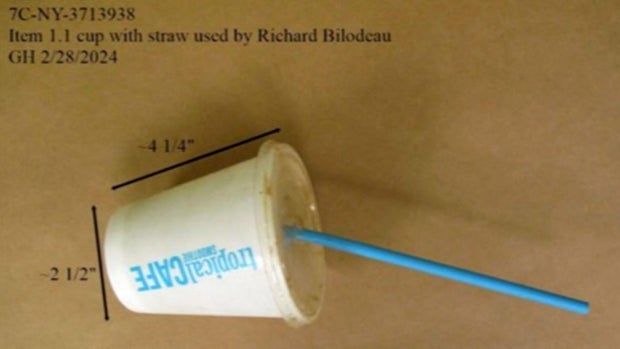
The FBI, using the new science of genetic genealogy, had found a match to the unknown DNA.
DA ANNE DONNELLY (to reporters): Today, we arrange 63-year-old Richard Bilodeau of Center Moriches for the murder of Theresa Fusco.
Bilodeau has denied the charges. At the time of his arrest, he was working at Walmart stocking shelves. At the time of Theresa’s killing, he was 23 and living close by.
DA ANNE DONNELLY (to reporters): … he was living with his grandparents … It’s about one mile away from Hot Skates, it’s about one mile away from the Fusco residence.
He was a man who had seemingly always lived below the radar, according to prosecutor Jared Rosenblatt.
Erin Moriarty: Had he ever been married?
Jared Rosenblatt: No.
Erin Moriarty: … does he have family or close friends?
Jared Rosenblatt: … he has a brother. …
Erin Moriarty: That he’s close to?
Jared Rosenblatt: I can’t speak about how close they are …
Erin Moriarty: And does he have hobbies? … does this guy do anything other than go to work?
Jared Rosenblatt: I think he gambles on sports a lot.
Handout/Newsday 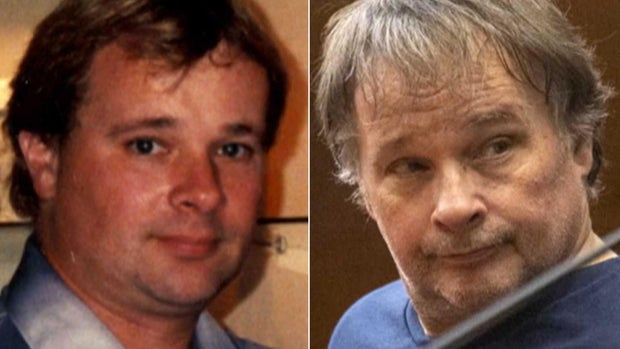
DA ANNE DONNELLY (to reporters): In interviews we conducted with Theresa’s friends and family, no one recognized this defendant as someone who was ever associated with Theresa in 1984.
Authorities wouldn’t speculate about how Richard Bilodeau may have come in contact with Theresa Fusco, but Donnelly says she knows he did.
DA ANNE DONNELLY (to reporters): … when you have a DNA match, a hundred percent match, we got the guy.
William Kephart and Daniel Russo, Bilodeau’s defense attorneys, see it differently.
Erin Moriarty: What evidence are you aware of that connects Richard Bilodeau to the murder of Theresa Fusco?
William Kephart: The DNA.
Daniel Russo: That’s it.
William Kephart: That’s it.
And they don’t find it convincing.
William Kephart: … It’s being overstated and overvalued.
And what’s more —
Daniel Russo: … this District Attorney’s Office, this police department, in 1985 stood before a court and said, these three men did this and they had an ample amount of evidence to prove it.
Erin Moriarty: … was that a concern that they’re gonna point to the fact that three men went on trial, were convicted for this crime?
DA Anne Donnelly: Yes, I would assume that’s what they’re going to say. … but the difference now is we have science behind us, which they didn’t have 40 years ago. And to me, you don’t beat the scientific evidence.
But at John Kogut’s retrial in 2005, the Nassau County DA’s office had argued the opposite — that the unidentified DNA taken from Theresa was meaningless.
Daniel Russo: The same DA’s office … stood up and said … we still believe based on all of this evidence that these men are … responsible for Ms. Fusco’s death.
Daniel Russo: So I don’t know … how now in 2025, because you were able to put a name to that DNA, suddenly none of that matters anymore.
Paul Casteleiro: … all of their lies against John Kogut, John Restivo, Dennis Halstead are gonna come back and haunt them during this retrial.
Paul Casteleiro, John Kogut’s former defense attorney, fears that Bilodeau’s lawyers will put the blame on the three men who were cleared of the murder two decades ago.
Paul Casteleiro: They’re gonna have … a trial in — in which I’m sure the defense is gonna be arguing they’re guilty.
And Casteleiro says that’s just more salt in the wound for John Kogut, Dennis Halstead and John Restivo.
Paul Casteleiro: … it’s never-ending. … what Nassau County did to them is just has no ending to it.
All three men sued Nassau County; two of them were awarded damages.
CAROLYN GUSOFF (CBS New York reporter): Eighteen million dollars each to Restivo and co-defendant Dennis Halstead, both exonerated a decade ago for the 1984 murder and rape of Lynbrook teenager, Theresa Fusco.
But in Kogut’s case, a jury found no wrongdoing by Nassau County police and gave him nothing.
Erin Moriarty: Let me ask you though … if in fact Richard Bilodeau is convicted, will either one of you apologize to the three guys who were convicted?
DA Anne Donnelly: No, because I don’t owe them an apology. I wasn’t even in the office at the time.
Erin Moriarty: I know—
DA Anne Donnelly: I wasn’t a lawyer.
Erin Moriarty: — but you represent yeah but for the Nassau County DA’s Office?
DA Anne Donnelly: Mr. Dillon did what he thought was right when he dismissed … against two of them. And I think, you know, they got their apology at that point.
Paul Casteleiro: … the idea that the district attorney in Nassau County can’t apologize to these three guys for what they did to them is outrageous.
While the Nassau County authorities say, once again, they have the killer of Theresa Fusco, Richard Bilodeau is not facing charges in either Kelly Morrissey’s or Jackie Martarella’s cases. Both remain unsolved, leaving two families in limbo.
Olmstead Family/Fusco Family/1984 Oceanside High School Yearbook 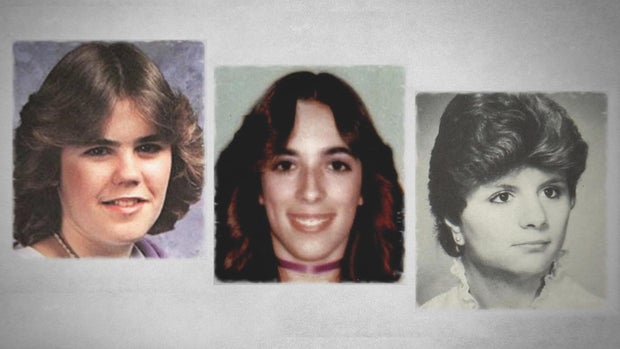
Martin Martarella: I mean … you’re anticipating something and that it never shows up.
Martin Martarella: … she didn’t have … a bad bone in her body …
Martin Martarella: She missed out on just living a simple life, you know?
Iris Olmstead: … you know, I look at women in their 50s now and think that could be Kelly, and that’s how old she would be …
When Richard Bilodeau goes on trial, for the murder of Theresa Fusco, her father Thomas and her once best friend Lisa will be back in courtroom for what they hope will be the last time.
Thomas Fusco: … closure to me is that if this is the individual, then justice will be done. It’s just completely over, 41 years is over, beginning and end.
Erin Moriarty: Do you hope, do you think that it might finally be resolved this time around or do you still have questions?
Lisa Johnson: I trust in the DNA this time. … I am so hopeful that there will be a conviction and we can finally put this to rest.
Erin Moriarty: Forty-one years afterwards.
Lisa Johnson: It’s a long time. It’s — it’s a lifetime.
Produced by Mary Murphy. Michael McHugh is the producer-editor. Murry Weiss is a producer. David Dow, Marc Goldbaum. Sara Ely Hulse and Tamara Weitzman are the development producers. Shaheen Tokhi is the field producer. Nancy Bautista is the Broadcast Associate. George Baluzy and Diana Modica are the editors. Anthony Venditti is the content research manager. Dylan Gordon is the associate producer, archives. Patti Aronofsky is the senior producer. Nancy Kramer is the executive story editor. Judy Tygard is the executive producer.
You may be interested
Transcript: Former FDA commissioner Dr. Scott Gottlieb on “Face the Nation with Margaret Brennan,” July 26, 2026
new admin - Jul 26, 2026The following is the transcript of an interview with U.S. Ambassador to the United Nations Mike Waltz that aired on…
Disgraced Michigan coach Sherrone Moore lists home for $1.7 million
new admin - Jul 26, 2026[ad_1] NEWYou can now listen to Fox News articles! Sherrone Moore, the ex-Michigan Wolverines head coach who was fired after…
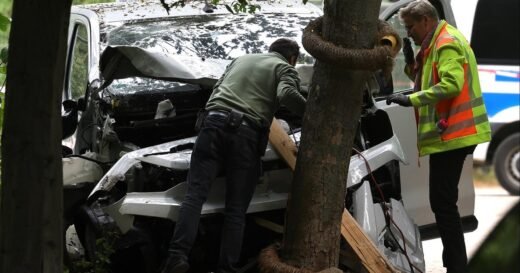
Latest on deadly Berlin Pride attack; suspect killed by police after hours-long manhunt
new admin - Jul 26, 2026At least one person was killed and several others were injured Saturday when a car plowed into a crowd Saturday…