



Data center boom puts Republicans in a bind before midterm elections

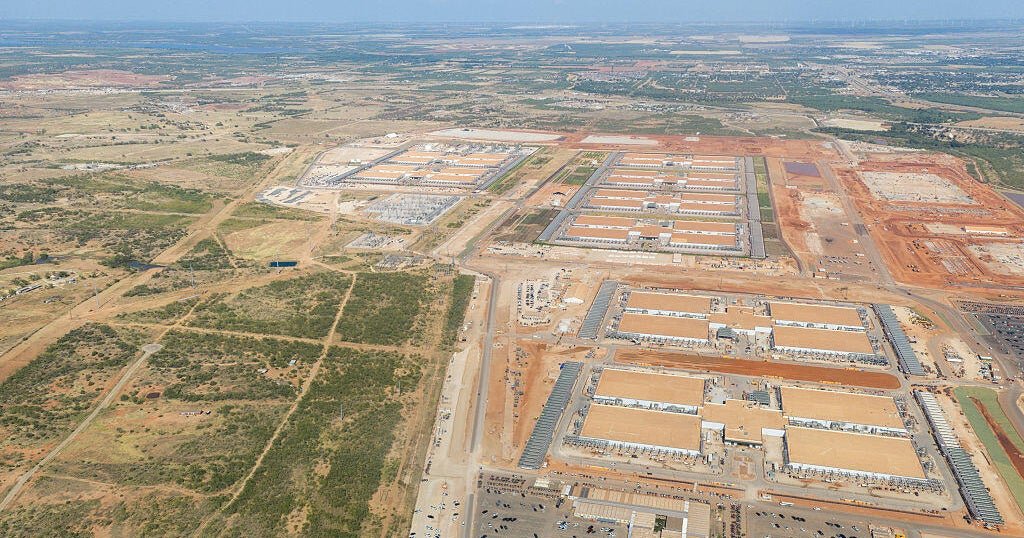
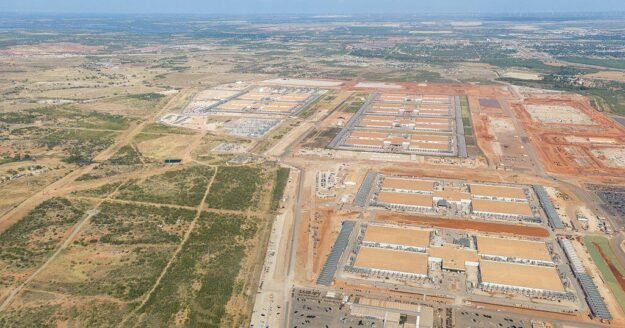
A year ago, there weren’t many voters talking about data centers. Now, the massive facilities being built to satisfy the enormous computing needs of the AI boom have become one of the most explosive issues of the 2026 midterms, and their construction is opening a divide between the Trump administration and Republicans running in state and federal races this fall.
When ChatGPT launched in late 2022, most data centers were being built in blue states. But by 2025, 68% of data centers online were in red states. Now, 75% of data centers under construction and 80% of data centers in the planning stage are in predominantly Republican states, according to new data from Cleanview Research, an independent energy market intelligence company tracking data center development.
“Red states have more of a history of accepting large, energy intensive, infrastructure projects — even those that might have detrimental effects on communities,” said Chris Millay, a data center analyst at the macroeconomic consultancy Greenmantle. He also points to the relative lack of environmental regulation and the availability of open land as reasons rural states are receiving more investment.
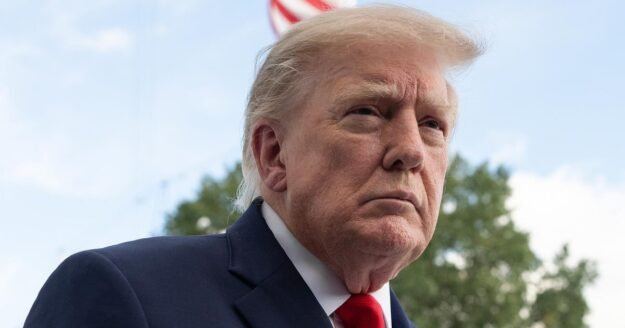
President Trump sees the AI race as critical to the economy and national security, and he’s one of data centers’ biggest boosters. At a recent Ohio rally, he said of data centers, “We want them … look, there’s so much money to be made for Ohio — you can’t just turn them off. They’ll go to China.”
He has repeatedly dismissed public opposition to data centers, posting on Truth Social that “the only reason that communities throughout the U.S.A. should not want Data Centers is if they want to end up being backwards and poor.” Mr. Trump has also resisted regulation, though he has called on developers to give back to local communities through education, lower taxes, job creation and energy cost protections.
Red states may be hosting most of the boom, and increasingly, communities living next to data centers are pushing back. People who live near data centers have reported concerns about their property values, noise, higher energy bills and resource depletion. Meanwhile, calls for moratoriums are spreading through communities across the country.
Overall, opposition to data centers outweighs support by 30 points, with polls showing the majority of Republicans oppose the construction of data centers near them.
“It’s such a consensus issue it’s really impossible to take the other side,” said Millay. “When voters see a politician who supports data centers, they think, ‘Well, how am I going to trust him with my job?'”
Some of the president’s closest allies have begun to break with him on the issue. In Texas, which has the most data centers under construction, GOP Gov. Greg Abbott has paused environmental permits and grid connections for new data centers. Abbott, who is seeking a fourth term, is in a surprisingly close race against Democrat Gina Hinojosa.
In Texas’ tight Senate race, the Republican nominee, state Attorney General Ken Paxton, wants to end Texas’ sales tax break for data centers. He has also said they should be held criminally liable if they power AI chatbots that endanger children.
Data centers seem to be the single issue where Democratic and Republican candidates sound nearly identical.
In Ohio, Amy Acton, the Democratic nominee for governor, said in a press release, “I am calling on our Statehouse to pass a conditional moratorium on data centers.”
Her GOP opponent, Vivek Ramaswamy, has gone further. He vowed to “issue an executive order on my first day in office to immediately halt the approval of any new data center project announcements in Ohio,” and to keep that pause in place until lawmakers pass his “Ohioans-First” law, which would require data centers to provide free electricity to surrounding residents.
A recent New York Times/Siena poll found that data centers are a weak point for Ohio Republican Sen. Jon Husted, with voters favoring his opponent by an 11-point margin on the issue.
Campaigns have spent $45 million this year on ads that mention data centers — most of them in opposition — according to AdImpact.
In Georgia, where candidates have spent nearly $13 million on ads mentioning data centers — more than any other state — the Republican gubernatorial candidate, Rick Jackson, is sticking with Mr. Trump. While the Democratic candidate, Keisha Lance Bottoms, is calling for a temporary moratorium on construction, Jackson says the decision should be left up to local officials.
Jackson made the case for data centers at a recent press conference, saying he wanted “to educate people on the benefit if they want [a data center].” Some counties, he said, expect they “will have zero property taxes after the data center goes in.” Effingham County, where OpenAI plans a $20 billion data center, has pledged to use some of that revenue to cut homeowners’ property taxes.
Because most of the next wave of data centers is largely planned in states Mr. Trump won in 2024, the choices Republican candidates make, siding with voters or with the president, could decide whether those projects are paused, made more expensive or even canceled.
You may be interested
10/12: The Takeout with Major Garrett
new admin - Oct 13, 2026Energy ceasefire between Russia and Ukraine collapses; federal immigration agents search Rep. Ilhan Omar's home. Source link

Hurricane Simon still hitting western Mexico after tropical systems kill 5
new admin - Oct 13, 2026Hurricane Simon continued to move slowly up the coast of west-central Mexico early Tuesday bringing wind and flooding rain after…

10/12: CBS Evening News
new admin - Oct 13, 2026Rider falls to their death from roller coaster at Six Flags Over Georgia; early details on Selma Blair's flight arrest.…