


Judge Sides With Students Against Trump’s Deportation Policy


A judge ruled in favor of students who said they self-censored for fear of deportation. The decision means the students may not be deported or have their visas revoked for protected speech.
zimmytws/iStock/Getty Images Plus
In a case that could have wide-ranging implications for international students, a federal judge in California ruled Friday that the Trump administration’s efforts to deport noncitizen students based on their political speech violates the U.S. Constitution.
Students from Stanford University’s newspaper and an unnamed international student from another university sued Secretary of State Marco Rubio last year, arguing that his enforcement of the deportation and revocation provisions of the Immigration and Nationality Act had prompted them to self-censor on issues related to the Israel-Gaza conflict out of “fear of adverse immigration consequences.”
On Friday, Judge Noël Wise, a Biden appointee, sided with the students, finding that Rubio had violated their First and Fifth Amendment rights as they relate to protected speech.
“The First Amendment cements America’s promise that the government may not subject a speaker to disfavored treatment because those in power do not like his or her message,” the lawsuit read.
“In the United States, freedom of speech belongs to the people,” Wise wrote in the decision. “It is not the government’s to take.”
The Stanford Daily said in the lawsuit that lawfully present international students “have quit, withheld articles, refused assignments, requested articles be taken down and asked for anonymity” for fear of deportation. In addition, sources refused to speak on the record to student journalists and stopped submitting opinion pieces.
The unnamed international student said in the lawsuit that she self-censored online and had stopped all advocacy for Palestine, except for wearing watermelon earrings. (Activists use watermelons as a symbol of solidarity with Palestine because they mirror the colors in the Palestinian flag.)
The Foundation for Individual Rights and Expression, which represented the students in court, said in a statement that the ruling means the students may not have their visas revoked or be deported based on protected speech. The decision could reverberate in similar cases brought by other noncitizen students, FIRE wrote.
“In America, free speech doesn’t just belong to the people who say things the government agrees with,” Conor Fitzpatrick, a FIRE attorney, said in a statement. “Today’s ruling proves that free speech isn’t a privilege, but the inalienable right of every man, woman, and child.”
You may be interested
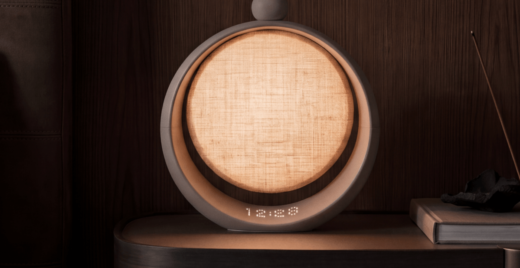
Anker’s sleep speaker uses radar and flower power to help you relax
new admin - Sep 03, 2026Anker’s SleepLab speaker promises to track and enhance sleep without a wearable. It uses millimeter-wave radar (60GHz) blasting from your…

Maren Morris Is Happy With Where She’s Landed: ‘I Feel Vindicated’
new admin - Sep 03, 2026[ad_1] A decade after the release of her debut Hero, the "My Church" singer opens up about her place in…
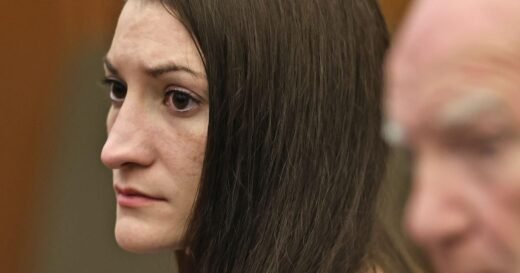
Lindsay Clancy murder trial jury resumes deliberations as mistrial potential grows: “End of the road here”
new admin - Sep 03, 2026It appears the Lindsay Clancy murder trial in Massachusetts could end in a mistrial. The jury resumed deliberations for a…