



Anthropic explains how Claude’s invisible text watermarks will work


Take the sentence “The weather today was cold and…”. The next word is very unlikely to be “sugary.” But it is quite likely to be “overcast” or “grey.” Under most circumstances, it doesn’t matter much to the reader which of these latter two words the model ultimately chooses—the meaning of the sentence is largely the same either way. In cases like this, the choice is settled by a random number.
Watermarking uses low-stakes choices like these—which occur many times over a piece of generated text—to leave a pattern in Claude’s responses. That pattern is undetectable to the reader, but is detectable to anyone who has a key that encodes it. When watermarking is used, choices are still made at random, but the source of the randomness is different. Instead of using an arbitrary random number generator to pick the next word, watermarking uses the key and a few words that come before to settle what word the model should pick.
You may be interested
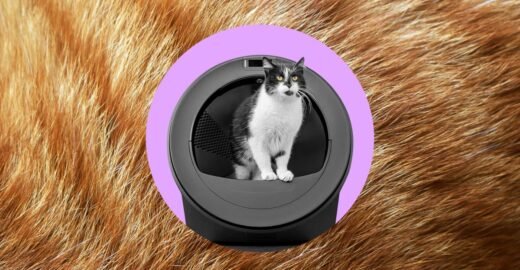
Whisker’s AI-powered litter robot thinks my cats swapped bodies
new admin - Aug 17, 2026The greatest invention in pet tech in recent years is the litter robot. A machine that scoops your kitties’ poop…
Maestro College Discloses Private Student Information
new admin - Aug 17, 2026[ad_1] Before Maestro College lost accreditation last month, the for-profit institution touted itself as “AI University.” Photo illustration by Justin…

4 years after alleged murder-for-hire of Microsoft executive involving his ex-wife, suspect goes to trial in Florida
new admin - Aug 17, 2026A man charged with arranging the fatal ambush of a Microsoft design manager is headed to trial Monday in Florida,…