




UK vet fees ‘could rise’ despite major rule change, expert warns | Personal Finance | Finance

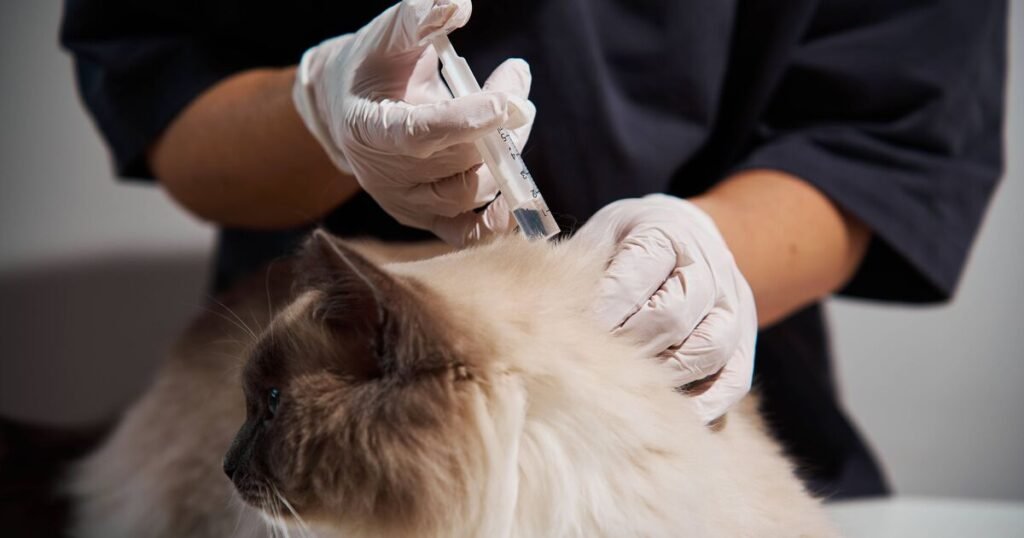

It could backfire, an expert said (Image: Rabizo via Getty Images)
New regulations intended to make veterinary care and costs more transparent and affordable could inadvertently result in price increases, an industry expert has cautioned. The Competition and Markets Authority (CMA) is introducing reforms designed to boost price transparency, enabling pet owners to more easily compare costs and purchase medicines from alternative sources.
However, Eddie Holmes, founder of comparison website VetsCompared.com, fears some of the measures could spark a “race to the top” on pricing rather than genuinely reducing fees. Mr Holmes said the reforms, while well-meaning, could change how independent practices determine their prices and may ultimately result in pet owners facing higher bills.
He said: “The assumption is that greater price transparency automatically creates more competition and lower prices. But that’s not always how markets work.
“When cheaper independent practices can clearly see nearby corporates charging significantly more for the same consultation, some may conclude they’ve been undercharging for years and hike their own fees.”
One of the CMA’s proposals would require practices to display consultation prices more prominently. While the reforms are designed to help consumers shop around and save money, Mr Holmes fears they could establish a public pricing benchmark for veterinary practices themselves.

Rules are changing (Image: Pexels)
He said: “A practice charging £42 for a consultation may discover nearby corporate groups are charging £65 to £80. Instead of thinking competitors are too expensive, they may simply decide they’ve been leaving money on the table.”
A further key proposal would simplify the process for pet owners to purchase prescribed medicines elsewhere by capping prescription charges and obliging vets to inform clients that they may be able to source medicines at a lower cost from other suppliers. The CMA contends this is essential given that veterinary practices act as both the prescriber and retailer of medicines, generating potential conflicts of interest. However, Mr Holmes argued that medicine sales frequently subsidised other areas of an independent practice.
He explained: “Many independent practices use medicine income to help keep consultation fees lower while covering staffing costs, equipment, rent and out-of-hours services. If that revenue falls, they won’t simply absorb the loss forever. They’ll have to recover it somewhere else, and consultation fees are the obvious place.”

Costs could actually rise, he warned (Image: Martin Phelps/Dogs Trust)
Mr Holmes also raised doubts over whether more affordable independent practices genuinely wanted a considerably larger client base if they were already operating near full capacity.
He said: “Lower prices only make commercial sense if you’ve got room to see more patients. Many independents are already incredibly busy. Taking on extra work at underpriced consultation fees isn’t necessarily good business.”
Recent sector research has also indicated that the price gap between independent and corporate practices has already started to close during the CMA investigation. Mr Holmes believes this could be an early indicator that greater transparency is encouraging some independents to raise their prices rather than compelling larger operators to lower theirs. His greatest concern, however, centres on what the reforms could mean for the long-term survival of smaller practices.
He said: “The elephant in the room is whether some independent vets decide these additional regulatory pressures are simply the final straw. If more decide to sell up, the most likely buyers will often be the larger corporate groups that already tend to charge higher prices. That could ultimately reduce competition rather than increase it.”
Mr Holmes conceded there were a number of reasons why his concerns might not come to pass. Greater consumer price comparison, heightened competition and reduced medicine costs could yet deliver tangible savings for pet owners. However, he maintains that the reforms should be assessed on their real-world outcomes rather than their stated aims.
He added: “Everyone wants better value and greater transparency for pet owners. The challenge is making sure the reforms don’t accidentally produce the polar opposite result.”
You may be interested

8/23: CBS Weekend News – CBS News
new admin - Aug 24, 20268/23: CBS Weekend News - CBS News Watch CBS News Hawk Fire nearing Reno prompts mass evacuations; White House says…

8/23/2026: Ghost Train; One Mother's Story; Wild Concerto
new admin - Aug 24, 2026First, the state of high-speed rail in the U.S. Then, Rachel Goldberg-Polin: The 60 Minutes Interview. And, turning recordings of…

Videos show Hawk Fire spreading around Reno, Nevada, prompting thousands to evacuate
new admin - Aug 24, 2026As the Hawk Fire encroached on Reno, Nevada, on Sunday, around 90,000 people were forced to evacuate. Officials said they…