

From solar to charcoal, Cubans look for alternatives amid outages and fuel shortages

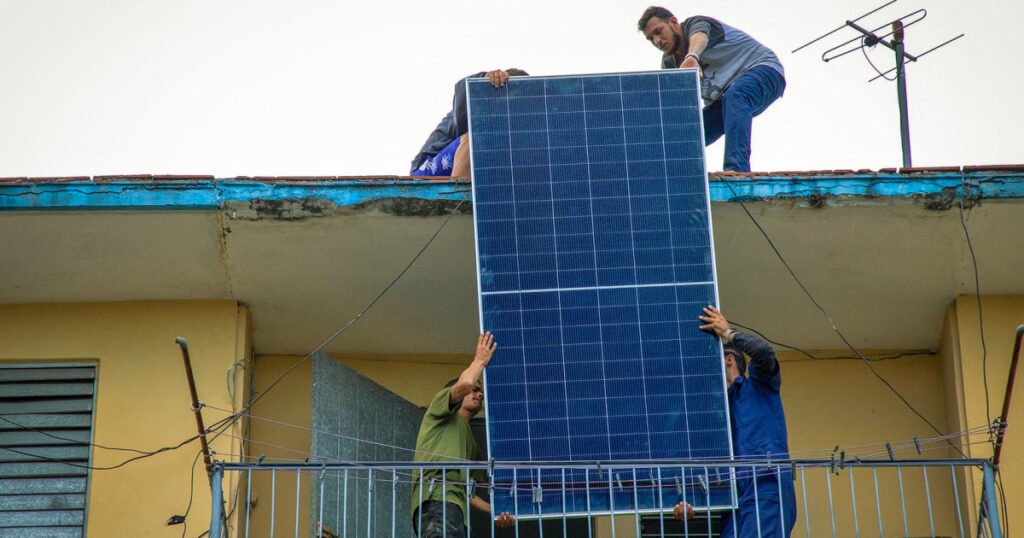
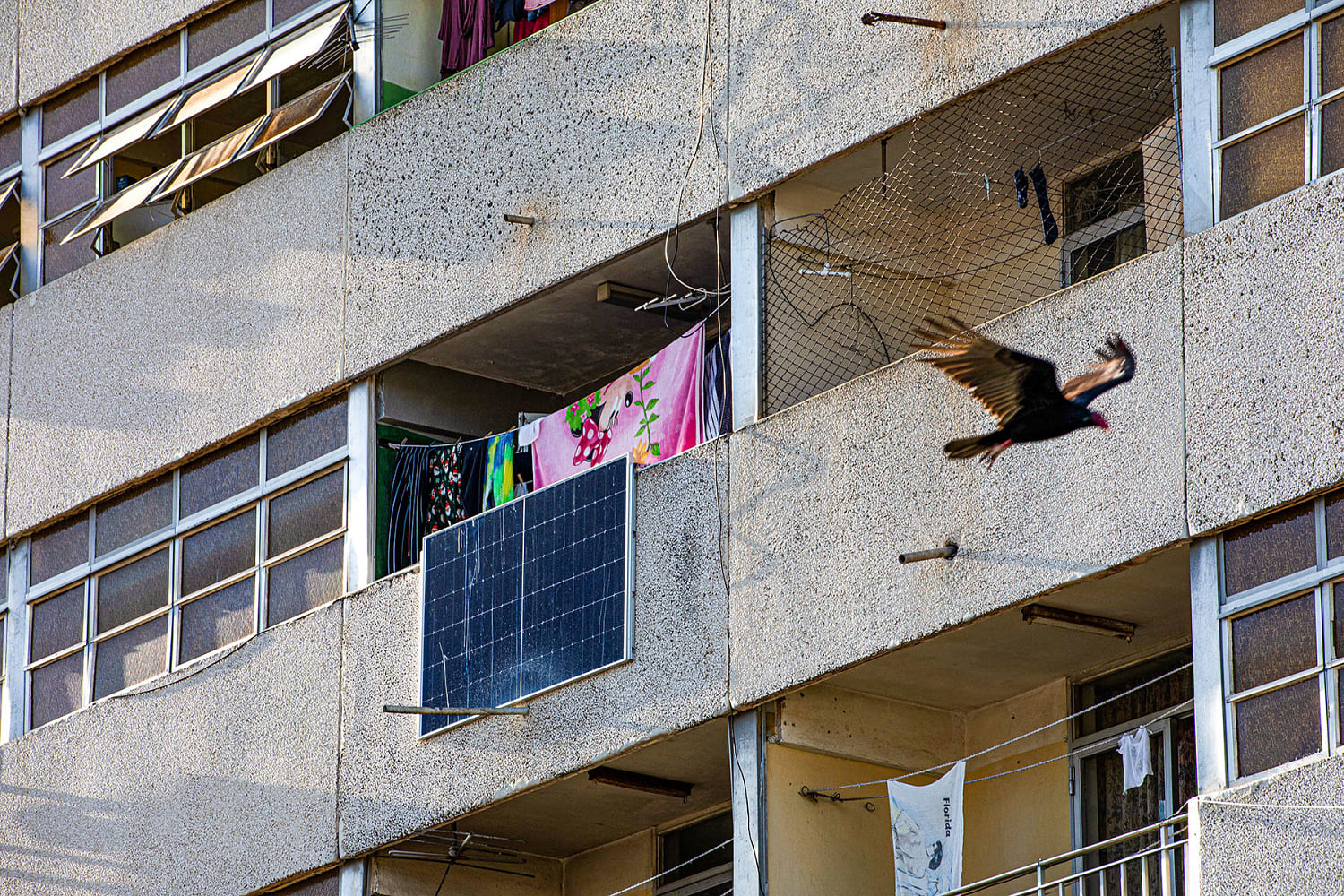
According to Rodríguez, renewables are projected to cover 15% of energy demand by the end of the year. Renewables currently provide 10% of demand, up from 3% in 2024. By 2035, according to Cuban officials, renewables will cover 40% of demand, and by 2050, they will fully cover energy needs.
In the last few years, the government has dramatically increased the installation of solar panels with Chinese financing and equipment donations; these have been placed in public spaces and hospitals. Right now, there are 54 solar parks, and by 2028 Cuba’s government expects to have 92 parks with China’s help, the government has said.
The Cuban government has not given a breakdown of how it will use energy sources, like solar, wind, biomass and hydropower, in its quest to achieve its goal.
Jorge Piñon, an energy expert at the University of Texas at Austin, thinks it will be very difficult for Cuba to fulfill its plans amid the country’s economic crisis and the high cost of transitioning to renewables, especially given the deteriorated state of its energy infrastructure.
“It is highly unlikely that, considering their current situation today, Cuba could achieve the goal of 100% renewables by the year 2050,” said Piñon, a senior research collaborator at UT Austin’s Energy Institute.
There is potential for harnessing renewable energy, but it requires big investments, according to Piñon. For example, the energy from sugar cane could be as important as solar.
“It is ethanol, it is biomass, it is alcohol, it is employment in the countryside,” Piñon said. “You can take ethanol and blend it with gasoline, and therefore cut back your imports of gasoline.”
Though Cuba was among the world’s largest sugar producers, its industry has pretty much collapsed.
The Cuban Embassy in Washington, D.C., did not respond to a request for comment on the specifics of the energy plan or questions on whether a switch to renewables is feasible by 2050.
For now, most Cubans live amid the challenge of not having a constant supply of electricity.
By the time the Trump administration cut the flow of fuel to the island earlier this year, people, especially outside Havana, were already experiencing outages that lasted 20 hours or more a day. The cut in fuel access exacerbated an already dire situation.
Now, the blackouts are even longer, and adding to people’s anxiety is not knowing when they will have power next, since the outages are not consistent. They vary day by day and by neighborhood. For example, one section of a city may go 40 hours without power and the next outage may last 15 hours.
You may be interested

Serbian protesters clash with police amid massive anti-government rally in Belgrade
new admin - May 23, 2026Clashes erupted between groups of protesters and riot police after a huge anti-government rally on Saturday in the Serbian capital…

Ryan Bingham reflects on his award-winning career
new admin - May 23, 2026Ryan Bingham's career spans decades and genres. He went from a 2009 awards season sweep with "The Weary Kind (Theme…

Congo team must isolate to enter US for World Cup amid Ebola outbreak
new admin - May 23, 2026[ad_1] US airports ramp up Ebola screenings amid Africa outbreak Health officials at U.S. airports are implementing enhanced Ebola screenings…