
Most people still don’t want anything to do with robotaxis

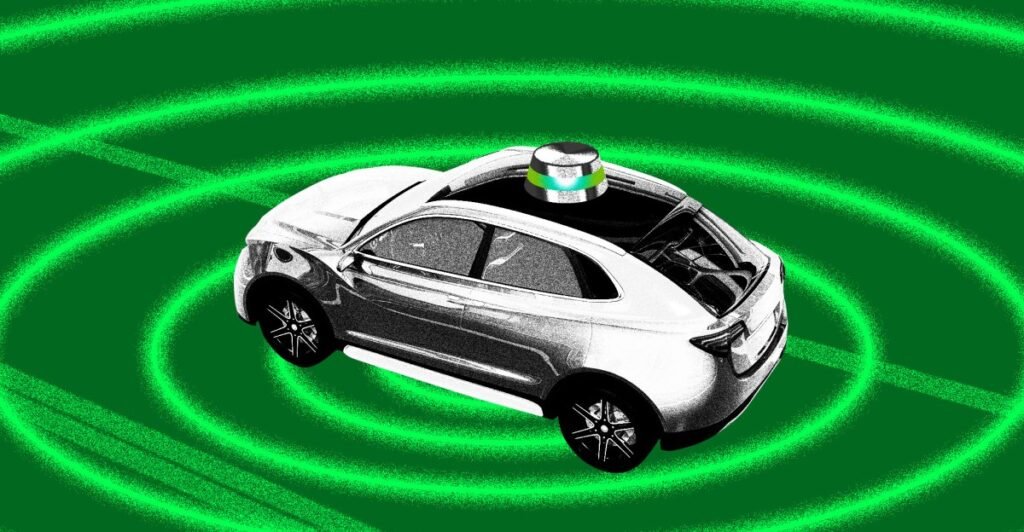
I’ve been reporting on self-driving cars for over a decade, and I’ve seen the technology go through many ups and downs, highs and lows. But one thing has remained remarkably the same over the years: the public just ain’t buying it.
Poll after poll has revealed a deep and abiding skepticism toward autonomous vehicles. People don’t trust the technology, don’t want to ride in cars without human drivers — even when the evidence suggests the vehicle could be much safer than a human driver. Sure, robotaxis are operating in about a dozen cities now, and companies like Waymo don’t seem to have any problems finding customers. But when you expand the aperture and start asking people how they really feel about these new robots on the road, they reveal their suspicions.
A new poll from the Electric Vehicle Intelligence Report, a market research group, underscores this persistent problem with autonomous vehicles. The group surveyed 2,081 US consumers between March 23 and 29, with a margin of error of ±2.1 percent. Asked whether they would ride in a robotaxi, 53 percent responded no, and 26 percent said they’re not currently considering it.
Surprisingly, assurances about safety and reduced pricing don’t really move the numbers too much. When told to assume that robotaxi technology is “100 percent safe,” 42 percent of consumers still say they would never consider using one, while another 22 percent say they’re not currently considering it. And when given the choice between a “100 percent safe” robotaxi and a human-driven taxi, only 12 percent pick the robotaxi, while 56 percent choose the human driver.
When offered a $5 discount on the 100 percent safe robotaxi option, the needle moves modestly: 19 percent would choose the cheaper robotaxi, while 48 percent would take the more expensive human-driven ride, and a third opt out of the question entirely.
Surprisingly, assurances about safety and reduced pricing don’t really move the numbers too much
In fact, one in three respondents say there is no amount of money that would cause them to take a robotaxi ride. Thirty-two percent say that even if robotaxis were safe and cheaper, they’d still prefer a human behind the wheel. Only 5 percent say they would use a robotaxi right now. And across every measure tested by the group, a consistent third or more of consumers say they don’t use rideshare, taxis, or robotaxis, and have no plans to.
This poll isn’t an outlier. Numerous public opinion polls over the years have shown declining support for autonomous vehicles and a rise in outright hostility toward the technology. People have grown increasingly unnerved by the prospect of self-driving cars taking over the streets. And just when robotaxis appear to be getting better at avoiding nuisances, like blocking intersections or impeding emergency vehicles, a new problem arises, like Waymo vehicles driving past stopped school buses during student drop-offs.
Tesla, in particular, is helping drive a lot of this uncertainty. The EV Intelligence Report poll found that 81 percent of respondents agree with a recent judge’s ruling that Tesla’s use of “Autopilot” and “Full Self-Driving” in its marketing was misleading and violated state law. Tesla instructs its owners using FSD to keep their hands on the wheel and eyes on the road, but most people think that’s not happening. Nearly two-thirds of consumers (63 percent) don’t think Tesla owners using FSD are paying attention while using the technology, with 32 percent saying they think FSD actively lulls drivers into a state of inattentiveness.
Tesla’s nascent robotaxi service, available only in Austin, is also generating a lot of doubt. When presented with data of Tesla’s robotaxi crash record since launching last year compared to Waymo’s, consumers are skeptical of the company’s safety record. Eighty-seven percent say they’re concerned about the safety of Tesla’s robotaxis, 72 percent say it makes them less confident in Tesla as a company, and 69 percent say it makes them less likely to consider riding in a Tesla robotaxi.
Consumers are also troubled by Tesla’s decision to remove human safety monitors from its robotaxis. Eighty-four percent say they are uncomfortable with that decision, and 81 percent believe Tesla should not be allowed to offer fully autonomous robotaxi rides without a safety monitor on board.
You may be interested
Jury finds Live Nation liable in antitrust trial
new admin - Apr 15, 2026[ad_1] IE 11 is not supported. For an optimal experience visit our site on another browser.Now PlayingJury finds Live Nation…

Golf analyst Brandel Chamblee rips LIV Golf amid speculation of uncertain future
new admin - Apr 15, 2026[ad_1] NEWYou can now listen to Fox News articles! With a "bombshell announcement" reportedly coming about LIV Golf, Golf Channel…
Live Nation Operated as Monopoly, Jury Finds
new admin - Apr 15, 2026[ad_1] Live Nation has been found liable in its blockbuster antitrust trial, a remarkable verdict that has the potential to…