




People who sleep with earphones told follow ‘arms-length’ rule

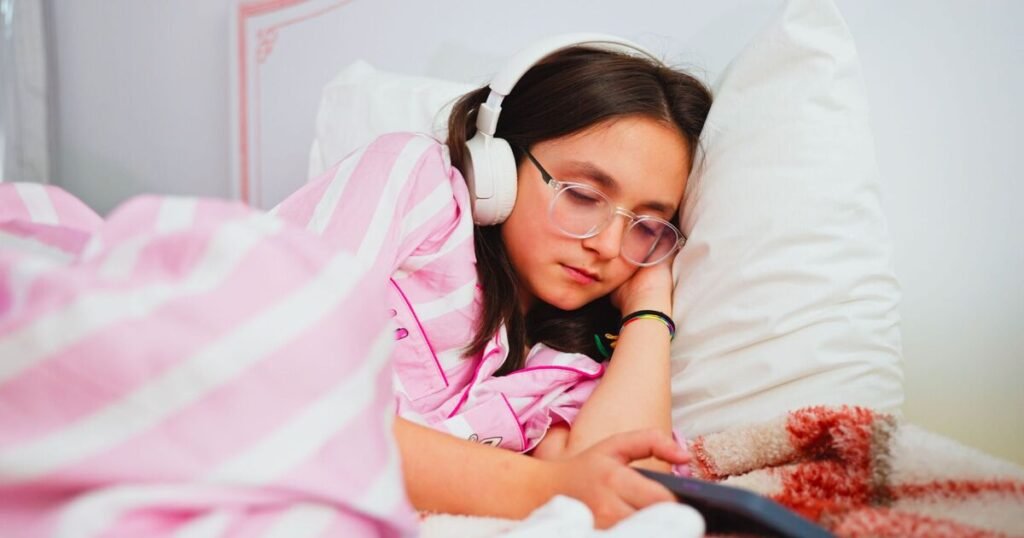

People have been warned (Image: Getty)
If you enjoy drifting off to music, an audiobook, calming ocean sounds or your favourite podcast, you are certainly not alone. But is it actually safe to wear earphones whilst doing so?
According to the Cleveland Clinic, Audiologist Valerie Pavlovich Ruff, AuD, says that one issue is that in-ear devices can cause a number of issues, including bacterial infections. The experts explain that “hard plastic earbuds” aren’t bad short-term, but over time, “falling asleep with them could add discomfort. Plus, in-ear earbuds can lock moisture into your ear canal, especially if you’re headed to bed right after a shower.”
Over prolonged periods, this can promote bacterial growth and heighten the risk of outer ear infections. Extended use of in-ear headphones can also result in excessive earwax accumulation.
Read more: Money Saving Expert ‘hack’ to save £156 per year on Netflix
Read more: Nationwide has good news for holidaymakers – what you should know
Arm’s length rule
Should you choose to wear them at night, be aware of a little-known rule. If somebody is standing within arm’s length, they shouldn’t be able to hear your audio, and you should still be able to listen to them speak without removing your headphones.
In general, most people can safely listen at 85 decibels for up to eight hours without experiencing any harm. However, for every 3-decibel increase above 85, safe listening time should be reduced by half.
For instance, at 88 decibels, listening should be restricted to approximately four hours. Dr Pavlovich Ruff recommends keeping your headphone volume at around halfway or lower and avoiding prolonged use.
“The key here is the volume and the length of time you’re listening. You can listen to music all day long if it’s at a safe level, but if you’re listening at a very loud level, you can cause damage to your hearing in as little as 15 minutes.”
Research based on self-reported hearing and listening behaviour found that people who listened to music for more than three hours were at a greater risk of experiencing tinnitus. Additionally, 10% of participants admitted to playing music at volumes of 90-100 decibels for extended periods, even whilst sleeping, potentially heightening their chances of suffering hearing loss in the future.
Side effects of wearing earphones to sleep
Certain side effects of wearing headphones can include damage to both the outer and inner ear, including hearing loss. Additional side effects to watch for include a buildup of wax. “In some cases, you might have to have that earwax removed by a physician,” notes Dr Pavlovich Ruff.
There is also swimmer’s ear. Should water become trapped in your ear canal, it can create a moist environment where bacteria flourish, potentially resulting in swimmer’s ear. Whilst it’s commonly linked with frequent swimming, it can also develop when moisture is retained in the ear for prolonged periods, such as from extended use of in-ear headphones or earplugs.
Symptoms of swimmer’s ear may include:
- redness
- itching
- pain in the ear
- drainage of pus
- muffled hearing
According to the NHS if this happens, you should see a pharmacist. They can prescribe you medicated ear drops to clear the infection.
Dr Pavlovich Ruff says if your headphones don’t fit well, they can irritate and damage the skin inside your ear. In serious cases, this may reduce blood flow, causing the skin to die (necrosis) and leaving sores or dark patches.
“If you feel any pressure, pain or fullness in your ear, that could indicate your plug or earbud isn’t fitting you well. They can make custom sleeves for earbuds to make them more comfortable, but if you’re a side-sleeper, they may not be comfortable enough.”
What earphones are better to sleep with?
Wireless over-the-ear headphones are usually more comfortable and don’t block your ear canal. Soft headbands with built-in headphones can also make listening easier while you sleep.
If possible, using an external speaker is even better because it reduces ear strain. Many devices let you set a timer so the sound stops automatically such as after five minutes, one hour or once a chapter has ended, helping you fall asleep.
When it comes to sound: “I’d be cautious of how loud your volume is and how they fit,” advises Dr Pavlovich Ruff. “I normally don’t recommend wearing headphones to bed, but if you have over-the-ear headphones or the headband style, that’s better for you than in-ear styles. Using an external speaker would be best.”
Ensure our latest headlines always appear at the top of your Google Search by making us a Preferred Source. Click here to activate or add us as your Preferred Source in your Google search settings.
You may be interested

Magic Keyboard cases for the latest iPad Pro are up to $85 off
new admin - Mar 02, 2026Apple’s Magic Keyboard cases offer a fantastic typing experience, elevating the iPad to laptop status with a large trackpad that…

Insurgents raid village in South Sudan, killing at least 169 people
new admin - Mar 02, 2026At least 169 people were killed after insurgents raided a village in a remote area of South Sudan, a local…

Oscars odds race in huge shake up after major SAG Actor Awards upsets | Films | Entertainment
new admin - Mar 02, 2026We’ve had the Golden Globes and the BAFTAs and now more upsets have taken place at the Actor Awards (formerly…