



Prince Reza Pahlavi says he wants to lead Iran in a transition to democracy

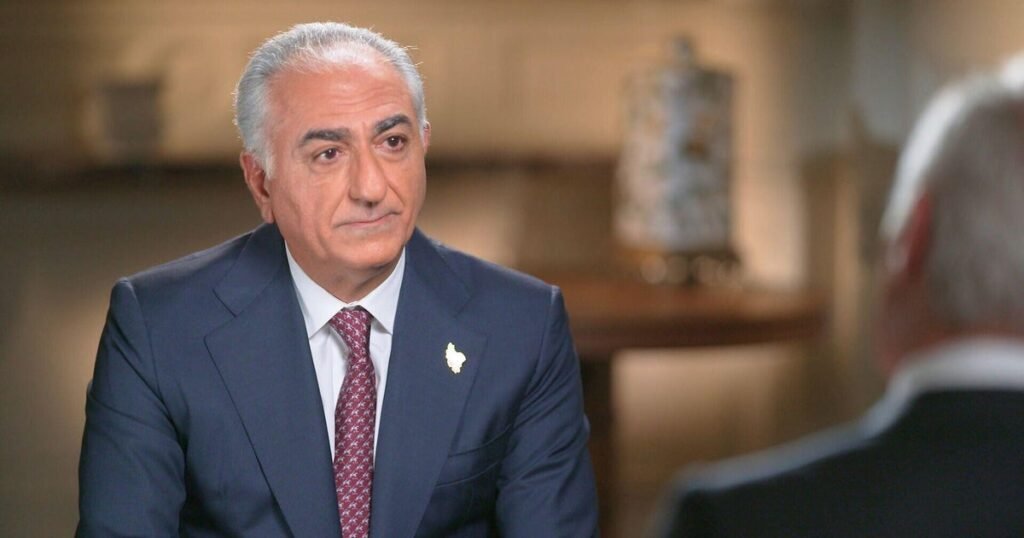
Iranian Prince Reza Pahlavi, the son of the country’s last shah, is making his case for transitioning his home country to a democracy.
Pahlavi has lived outside of Iran since his father, the late Shah Mohammad Reza Pahlavi, was overthrown in the 1979 Islamic Revolution that ushered in the Islamic Republic. With the killing of Supreme Leader Ayatollah Ali Khamenei by U.S.-Israeli strikes on Iran, Pahlavi said he believes the regime could fall. He believes the people of Iran trust him as a transitional leader, even though he’s lived outside the country for the last 47 years.
“Iran had been on my mind every single year of my life,” Pahlavi told 60 Minutes’ Scott Pelley. “Every single, when I wake up in the morning, the first thing that is on my mind is Iran.”
What Pahlavi sees as the future of Iran
Pahlavi said he sees four core principles for building a new Iran.
“Number one is Iran’s territorial integrity. Number two is a clear separation of religion from state, which is a prerequisite to democracy. And we paid the price, understanding what it means to live under a religious dictatorship. Number three is, of course, equality of all citizens under the law and individual liberties. And most importantly, the process, or democratic process, to allow the people to elect and decide what the future system of governance should be.”
Pahlavi said he imagines peace with Israel and that he believes Iran’s nuclear weapons program should be totally dismantled.
60 Minutes 
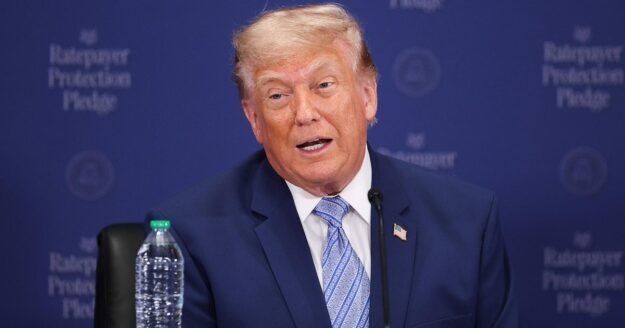
Pahlavi said he’s been in touch with the Trump administration and members of Congress. In January, President Trump expressed skepticism about Pahlavi’s ability to gain the backing of the Iranian public.
“I don’t know whether or not his country would accept his leadership,” Mr. Trump said at the time, adding that “if they would, that would be fine with me.”
“I don’t think that somebody in my position will ever expect to have an official endorsement of a foreign government or a foreign leader,” Pahlavi said. “What I do know now is that millions of Iranians inside Iran and outside of Iran are calling my name. They recognize in me the person uniquely placed to play a role of transitional leadership. Not running for office, because that’s not what I’m doing, but to be a bridge to that destiny.”
Who is Reza Pahlavi
Pahlavi was 18 and living in Lubbock, Texas, where the U.S. Air Force was training him to be a fighter pilot, during the 1979 Iranian revolution.
His father, Iran’s last king, had a close relationship with the United States, but he was also known for suppressing opposition and showering his friends with wealth. The shah left Iran in 1979 amid rising political tension and died the following year.
“My father left Iran voluntarily to avoid bloodshed,” Pahlavi said. “He said, ‘I’m a king. A king doesn’t build his throne on the blood of his own people. If the nation today wants me out, I will leave. I will not turn my guns on them.'”
With the shah’s departure, Ayatollah Khomeini led a revolution in Iran, beginning a decades-long regime.
This past January, Pahlavi, from outside Iran, urged Iranians to continue to rise up in protest against the regime. Hundreds of thousands marched. The regime killed an estimated 20,000 citizens.
You may be interested

Concerns over U.S. weapons getting depleted as U.S. and Iran continue to trade strikes
new admin - Jul 24, 2026As the U.S. builds up forces in the Middle East amid the ongoing war with Iran, there's concern among some…

Ministry to Release Final Album in October
new admin - Jul 24, 2026[ad_1] Ministry will release their 17th and final album, Hate To Go (Take Out or Delivery), on Oct. 30 via…

Travis Kelce’s HOF trainer hints 2026 NFL season could be his last
new admin - Jul 24, 2026[ad_1] NEWYou can now listen to Fox News articles! Three-time Super Bowl champion Travis Kelce has already had a milestone…