

Blue Cross warning to pet owners defrosting cars in January


There’s nothing worse than getting to your car in the morning, only to notice that it’s covered in frost, and even worse, your engine is struggling to start. To combat this in cold weather, you might turn to something like antifreeze.
According to the AA, antifreeze is a glycol-based liquid (usually ethylene glycol or propylene glycol), which can be added to a car’s cooling system. It prevents the water from freezing under normal cold weather conditions, which can cause the car to malfunction. It also includes various additives that provide additional benefits, such as corrosion inhibition, pH balancing, and anti-foaming properties.
They also warn that if you don’t use antifreeze, your car’s engine and other components could become seriously damaged if water freezes or overheats. “Water expands as it freezes, which can split radiators, pipes and water pumps or even break engine casings,” they warn.
However, if you do decide to use antifreeze, you need to be careful, because it can be dangerous to your pets and other animals in the area. On their Facebook page, animal charity The Blue Cross shared an “antifreeze warning,” as many will be opting to use the product in these weather conditions.
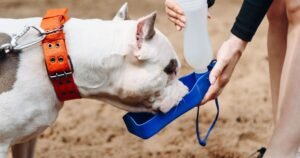
They wrote: “Antifreeze is extremely dangerous to pets. Even a tiny amount can be deadly. Many antifreeze products contain ethylene glycol, a highly toxic substance, which pets may lick off their fur or paws because of its sweet smell”.
They then explained how to keep your pet safe from antifreeze, with the first recommendation being “wipe fur and paws after being outside”. Then they shared it’s a good idea to “use non-toxic antifreeze or avoid it entirely”.
If you spill any on the floor, it’s best to “clean it up immediately” so the risk to animals is lower, and “keep containers tightly sealed” so animals will be able to get nowhere near it, and you’ll be able to not accidentally spill it, too. Blue Cross also shared the symptoms you should look out for if you’re concerned your pet may have been exposed to antifreeze.
They said: “Symptoms include: vomiting, drowsiness, [being] wobbly on their feet, seizures, and difficulty breathing”.
The charity ended the post by warning: “Antifreeze poisoning can cause permanent kidney damage and is often fatal. Contact your vet immediately if you suspect ingestion – early treatment saves lives”.
In the comments of the post, someone wrote: “I would hope that anyone who keeps it had it well away from any animals”. Another wondered why some brands make palatable flavours, such as “berry,” if animals like licking it from their paws and fur.
“I would be late for work every day before I use antifreeze on my car,” an animal lover shared, urging others to take the same attitude.
You may be interested

Trump has testy meeting with GOP senators, telling Cassidy at one point to sit down
new admin - Jun 24, 2026President Trump's meeting with Republican senators on Wednesday turned testy, and at one point, he sternly told Louisiana Sen. Bill…

Indianapolis man charged with alleged stalking of Indiana Fever’s Sophie Cunningham, threatening security exec
new admin - Jun 24, 2026[ad_1] An Indianapolis man was charged after prosecutors say he stalked Indiana Fever guard Sophie Cunningham and later threatened a…

Congresswoman denies staff used AI to write defense funding amendment
new admin - Jun 24, 2026Rep. Anna Paulina Luna (R-FL) says her staff used AI for “spellcheck” in an amendment summary for a major defense…